Learning how to protect your peace on social media has become a vital survival skill for Nigerian youths navigating the relentless flow of Facebook, the rapidly ascending TikTok, and the myriad other platforms filling our days. As of early 2025, our nation recorded approximately 107 million internet users, which translates to 45.4% penetration across the country. Within this massive digital population, there are 38.7 million active social media users in Nigeria according to the DataReportal Digital 2025 Nigeria Report. When we check our habits, the numbers are striking: the average Nigerian user now spends 3 hours 23 minutes daily on social media alone. This accounts for about 51% of our total 6 hours 38 minutes of daily internet activity across all devices, a statistic confirmed by Krestel Digital’s 2025 Nigeria Social Media Data Report. When you consider these hours spent, the mental health implications are massive. Omo, social media can stress you o!
⚠️ Data Context Note: This guide centers on insights from DataReportal and Krestel Digital released in January 2025. Supplemental data from October 2025 reports by NapoleonCat shows a steady upward trajectory, with Facebook alone reaching 45.4 million users by the close of the year, signaling that our online environment is only becoming more crowded and intense.
A pivotal 2025 observation reveals that 65.2% of Nigerian internet users now leverage social platforms for work. This makes us a global leader in professional social media integration, standing far ahead of other nations in how we blend our careers with our feeds. This creates a difficult dual pressure: you are simultaneously managing the anxiety sparked by lifestyle influencers and the heavy weight of “hustle culture” on platforms like LinkedIn and X. Crucially, with 98.2% of Nigerian users actively researching products on social media, we must also address the deep financial pressure and consumption anxiety caused by constant brand exposure. Moreover, the female user base has shifted to 38.6%, underscoring a persistent gender digital divide and an urgent need to address specific threats like cyberbullying and harassment that young Nigerian women navigate every single day.
Back in 2023, a DataReportal survey highlighted a sobering reality: 65% of Nigerian youths feel social media dictates their self-esteem and future ambitions. Samson Ololade, a University of Abuja student featured by Prime Progress Nigeria, lived through this. Between long stretches of scrolling through TikTok Nigeria and keeping up with the endless drama on WhatsApp status updates, he realized his mental health awareness was dipping. The constant, unfair comparison to the curated successes of his peers made him feel like he wasn’t doing enough.
But there is a better way to look at this. Protecting your peace on social media is not a one-time fix; it’s an ongoing practice of self-care. Achieving digital wellbeing is a cornerstone of broader self-care practices for Nigerians that anchor your mental health in a chaotic world. Organizations like the Mentally Aware Nigeria Initiative (MANI) lead the way in showing us how to stay tethered to reality while staying connected. Whether it is pruning toxic WhatsApp groups or muting disturbing content that ruins your mood, you have the power to curate your digital life. You aren’t helpless.
This guide tackles the hard questions Nigerian youths keep raising: How does social media relate to self-care? What are the actual steps to stay safe online? How do I start protecting my peace right now? You will find 12 concrete strategies, learn the link between your screen time and mental wellbeing, and master the specific privacy settings for WhatsApp, Instagram (IG), and TikTok. Whether you are living in Lagos and feeling the sting of FOMO from expensive lifestyle content, or in Abuja trying to distance yourself from toxic family WhatsApp drama, these methods will help you reclaim your space. Let’s start with the why.
How Does Social Media Relate to Self-Care? Understanding the Connection

Many folks reduce self-care to skincare and weekend naps, but true care includes shielding your mind from the digital deluge. When we ask, “How does social media relate to self-care?” we find a complex balance. It is a dual-purpose tool, serving as both a bridge to friends and a source of significant strain.
Defining Digital Wellbeing: Digital wellbeing is the intentional act of dictating how your devices serve you, rather than letting algorithms dictate your mood. For the Nigerian youth, digital literacy is the shield you use to protect your time and your sanity.
The Good Side: Positive Digital Engagement: Social media is not inherently evil. It has fostered beautiful support networks for those living away from home. These platforms are also crucial for pushing mental health awareness through movements like #MentalHealthAwareness and #EndTheStigma in Nigeria. Following reputable organizations gives you access to verified health information when you need it most.
The Stress Side: Negative Impacts: The danger sets in when you are trapped in a feedback loop. High volumes of information lead to disrupted sleep and constant, nagging anxiety. When you continuously consume perfect Lagos lifestyle content or edited highlights of other people’s lives, you fall into a comparison culture that undermines your self-worth. This online validation culture is draining and destructive.
The modern challenge of professional usage adds a layer of career anxiety. Platforms like LinkedIn and X have become arenas for performance, where you feel pressured to project a constant state of “hustling” to remain relevant.
The Mentally Aware Nigeria Initiative (MANI) works tirelessly to highlight how this social pressure degrades our quality of life. When you fall into doomscrolling, you fill your mind with negative noise, which wears down your psychological resilience. If the pressure builds up, try these quick stress relief techniques that are perfect for a Nigerian home setting. Research in the International Journal of Research and Innovation in Social Science supports what we feel: excessive social media use is linked to higher rates of anxiety and low self-esteem in Nigerian youths, exacerbated by bullying and comparison. If you are part of those 38.7 million active Nigerian social media users, you must build a defensive wall for your mental wellbeing.
The New Nigerian Digital Landscape: 2025 Platform Standings
The apps we favor change quickly, and keeping up is part of digital self-care. Below is the 2025 status of our most used platforms, based on data from Krestel Digital:
Critical Insight: TikTok has seen massive adoption, almost rivaling Facebook as the leading space for Nigerians. Meanwhile, Instagram has dipped in usage, showing a clear shift away from static image grids toward raw, short-form video and professional connections.
| Platform | Active Users (Million) | Growth Trend | Implication for Peace |
|---|---|---|---|
| 38.7M | Modest Growth (+5.3%) | Remains dominant for groups and broad connection. | |
| TikTok | 37.4M | Explosive Growth (+56.9%) | High risk of doomscrolling and comparison due to endless, fast-paced video feeds. |
| YouTube | 27.0M | Decline (-5.3%) | Still essential, but less dominant for social interaction. |
| Snapchat | 19.6M | Strong Growth (+29.7%) | Focus on close, temporary sharing may reduce long-term pressure. |
| 11.0M | Strong Growth (+20.9%) | Focus on career pressure rather than lifestyle comparison. | |
| 9.9M | Major Decline (-20.2%) | Less widespread comparison culture, but still high visual pressure. | |
| X (Twitter) | 7.57M | Strong Growth (+31.7%) | High risk of political stress, arguments, and negative news (doomscrolling). |
Data source: Krestel Digital’s 2025 Nigeria Social Media Statistics, January 2025. Note: User figures represent advertising reach rather than confirmed active users.
The Challenge of Platform Diversification: Managing 7+ Apps
A key finding in 2025 is that the average Nigerian internet user over 16 is active on 7.09 social media platforms monthly, which is a 41.8% jump from the year prior.
Why This Diversification Matters for Your Peace:
- Platform Fatigue: juggling seven apps means your focus is constantly fragmented. You are shifting from a polished LinkedIn voice to a loud TikTok feed to a family WhatsApp thread. This code-switching is a huge drain on your mental energy and causes exhaustion.
- Inconsistent Boundaries: Even if you are a master of privacy settings on WhatsApp, leaving your Snapchat or X account wide open creates a weak link. You are only as protected as your most exposed platform.
- Echoes and Cross-Platform Stress: Rumors and toxic arguments move fast. A nasty thread on X can easily destroy your mood on Facebook. Your digital self-care plan has to be applied to all 7+ platforms to be truly effective.
The Mandate: You must treat your digital life as a whole system. Apply these protective strategies across every platform you use, not just your favorite three.
New Challenge: The Professional Pressure of Social Media (65.2% Work Use)
Because 65.2% of Nigerian users are engaging in work-related social media activity, we cannot simply unplug when our livelihood depends on the screen. The stress has evolved from fear of missing out to a fear of being left behind in our careers.
Strategies for Managing Work-Related Digital Stress
- Strict Time-Boxing for Work Platforms:
- Rule: Treat platforms like LinkedIn, professional X profiles, or work-focused Telegram groups exactly like your email. Only touch them between 9 AM and 5 PM.
- Why: Bringing work-related content into your evening keeps your brain in “performance mode,” which kills your chance for anxiety reduction and genuine rest. Once you close your laptop, close your professional feeds.
- Segment Your Digital Identities:
- Action: Use separate browsers or login profiles for your personal apps and your professional ones. Keep your LinkedIn in a browser where you never visit your personal Instagram or TikTok.
- Why: This stops notifications from mixing and prevents the mental toll of jumping between your “work self” and your “off-duty self.”
- Curate the Professional “Hustle Culture” Feed:
- The Problem: Our feeds are crowded with stories of people claiming to work 24/7, which creates toxic, unachievable standards. This spikes career anxiety.
- Solution: Mute or unfollow accounts that constantly post about “grinding” or unrealistic wealth milestones. Seek out mentors who offer real, actionable advice. Prioritize learning over watching others perform success.
- Define and Maintain Professional Digital Boundaries:
- Rule: Be explicit about where people can reach you for work. If a client slides into your personal Instagram DMs, point them toward your professional email or LinkedIn page.
- Why: This protects your emotional boundaries by keeping your work responsibilities away from your personal leisure space. Never respond to work messages late at night.
New Challenge: The Financial Pressure of Consumption (98.2% Product Research)
Nigeria currently leads the global charts in using social media for brand discovery (66.9%) and, perhaps more significantly, product research (98.2%). Every time you unlock your screen, you are effectively entering a marketplace designed to capitalize on your curiosity. The challenge has evolved from mere lifestyle comparison into a pervasive state of active consumption anxiety. When every third post is a sponsored haul or a polished advert disguised as user-generated content, your subconscious begins to frame every desire as an urgent financial necessity.
Strategies for Protecting Peace from Consumer Pressure
- The “Financial Peace Filter” Rule:
- Action: Before you let a post featuring a luxury gadget, a premium vacation, or a curated Lagos lifestyle highlight ruin your mood, pause. Ask yourself: “Is this a genuine requirement for my growth, or a trend that will compromise my financial stability?”
- Why: This tactic forces a shift from emotional impulse to digital wellbeing and hard financial reality. If you cannot purchase the item without digging into your emergency fund or missing a rent payment, you must treat it as background noise. Scroll past. Protecting your peace on social media is not a one-time fix; it’s an ongoing practice of self-care.
- Unfollow Transactional Influencers:
- Action: Perform a quarterly audit of your follows. Mute or unfollow any account whose feed is primarily comprised of sponsored ads, unboxing videos for luxury goods, or constant displays of lifestyle upgrades you cannot reasonably sustain.
- Why: Influencer marketing relies on creating a sense of manufactured urgency. By pruning your feed, you remove the constant commercial bombardment that drives unnecessary comparison. Swap those transactional accounts for creators who focus on personal finance, skill acquisition, or genuine community building.
- Use “Not Interested” to Reduce Commercial Algorithmic Content:
- Action: On Instagram, TikTok, or X, lean into the “Not Interested” or “Don’t show me content like this” settings. Use them aggressively whenever you encounter a sponsored ad or a video pushing a product you don’t need.
- Why: Algorithms are pupils. If you stop engaging with commercial content, the app eventually stops force-feeding it to you. This trains your feed to show more educational material or local news, which serves as a powerful layer of digital self-care.
- Practice the 48-Hour Purchase Delay:
- Action: If you see a product that sparks a sudden, burning desire to own it, wait 48 hours before checking out.
- Why: High-pressure consumption anxiety is often fleeting and emotional. By waiting, you allow the artificial urgency to dissipate. You can then evaluate whether the item serves your real-life goals or if it was merely a temporary hit of dopamine triggered by a well-placed advertisement.
Protecting Peace from the Gender Divide: Strategies for Nigerian Women
Recent data revealing that female internet representation has settled at roughly 38.6% highlights a sobering reality: young Nigerian women encounter unique, often aggressive barriers online. The weight of digital life for women involves far more than just lifestyle comparison. It spans from persistent cyberbullying and unwanted sexual advances to intense public scrutiny regarding personal life choices. These pressures demand a specialized approach to safety.
Targeted Peace Strategies for Nigerian Women
- Double-Lock Your DMs and Comments:
- Action: Adjust your privacy settings on Instagram and X so that only “People you follow” can initiate a direct message. Enable keyword filters to automatically hide comments that include specific harassing terms or misogynistic slurs.
- Why: Limiting unsolicited access prevents the “digital catcalling” that often degrades the online experience for women, allowing you to curate who gets space in your inbox.
- Be Vigilant with Location and Real-Time Sharing:
- Action: Disable automatic geo-tagging on your camera app. Make it a rule to share your location on public platforms only after you have left the venue.
- Why: In our context, physical safety is linked to digital discretion. Oversharing your real-time location invites unwanted attention and, in some cases, real-world stalking. Prioritizing digital security here is a non-negotiable step toward freedom.
- Build a Private Sisterhood Network:
- Action: Shift your most sensitive conversations away from public comment sections. Utilize end-to-end encrypted spaces, such as private Telegram channels or WhatsApp groups designated exclusively for your “Close Friends.”
- Why: This fosters a genuine sense of community without the threat of public judgment or the toxicity that often invades open forums where male commentary is unsolicited.
- Practice Guilt-Free Blocking and Reporting:
- Action: If a user harasses you or crosses a boundary, block them immediately. You are under no obligation to provide an explanation or attempt to enlighten them.
- Why: Your mental space is limited. Blocking is the most efficient method to preserve your peace and send a clear message that your digital environment is reserved for respectful interactions.
- Use Privacy Settings to Control “Following”:
- Action: Maintain a private profile and perform regular follower audits. If an account makes you feel watched or uncomfortable, use the “Remove Follower” tool, even if they haven’t explicitly sent a harmful message yet.
- Why: Controlling who views your content is the first line of defense against targeted abuse. You have every right to curate your audience to ensure your digital space feels like a safe harbor rather than an exhibition.
12 Powerful Ways to Protect Your Peace on Social Media in Nigeria
Maintaining a healthy relationship with our devices is now a core requirement for living well in our country. With Nigerians now spending an average of 3 hours and 23 minutes on social platforms daily, and many of us managing accounts across seven different apps each month, the digital noise can become deafening. This section is your toolkit for reclaiming your headspace, built on real strategies that respect the unique realities of our online experience.
1. Take Regular Social Media Detoxes
A social media detox involves stepping away from the apps that feed your anxiety or drain your spirit. By mid-2026, many of us have realized that the constant pulse of notifications is not a requirement for a successful life. For students like Samson Ololade at the University of Abuja, a planned break became the primary way he regained his focus during intense exam seasons. He found that the initial withdrawal phase, while uncomfortable, was a necessary clearing house for his thoughts.
How to Implement Your Detox:
- Start with a Weekend: Commit to keeping your phone in a desk drawer from Friday evening until Monday morning. Use this time to reconnect with family or simply sit in silence. To make this shift feel intentional, treat it as a complete reset day where you prioritize physical movement over digital validation.
- Strategic Timing: Apply a detox during high-pressure events, such as major national holidays or peak study weeks. Protecting your peace on social media is not a one-time fix; it’s an ongoing practice of self-care.
- Replace, Don’t Just Remove: When your thumbs twitch to open a feed, redirect that energy. Carry a physical book or use an offline productivity app to scratch that intellectual itch without needing an internet connection.
2. Master Your Privacy Settings on WhatsApp, Instagram & TikTok
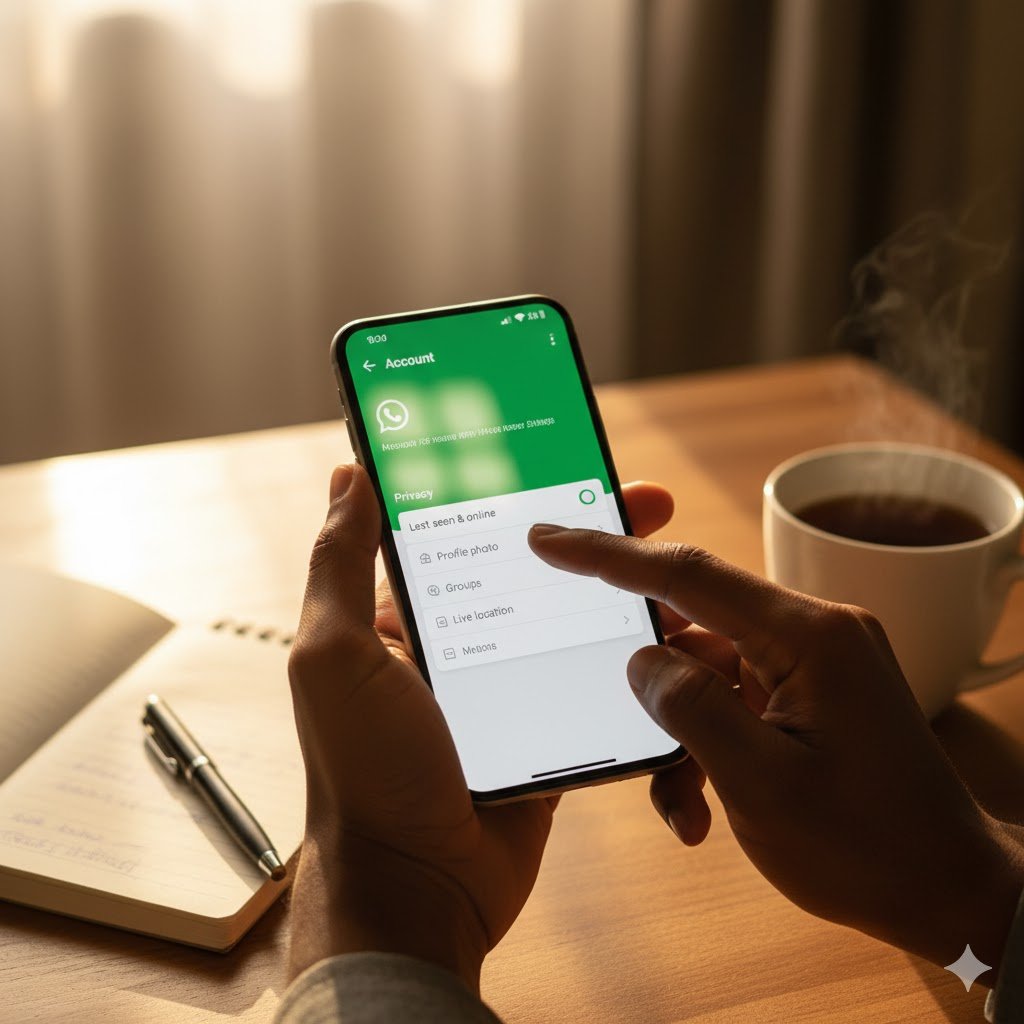
Your privacy is your first line of defense. When we ignore these settings, we essentially leave our front door wide open to strangers and unwanted influences. By treating these apps as private rooms rather than public squares, you shift the power dynamic back into your own hands.
| Platform | Peace Protection Tip | Step-by-Step Action |
|---|---|---|
| Status Privacy | Go to Settings > Privacy > Status. Choose “My contacts except…” to exclude specific relatives or acquaintances who tend to over-critique your personal life. | |
| Close Friends | Move your authentic, unpolished updates to the “Close Friends” feature to stop performing for the general public. | |
| TikTok | Engagement Locks | Restrict Duets and Stitches in your privacy menu to prevent random users from co-opting your personal videos. |
| All | Comment Filtering | Set up manual keyword blocks for common derogatory terms or toxic phrases that ruin your mood during comment section browsing. |
Pro Tip: To stop those random, unwanted WhatsApp group invites, navigate to your Privacy settings under Groups and set it to “My Contacts.” This simple change acts as a gatekeeper against spam that frequently infiltrates Nigerian WhatsApp groups.
3. Filter Disturbing Content Using Built-in Tools
The algorithms fueling our social apps are aggressive. They want to show you content that triggers a visceral reaction because engagement is their primary metric. You can train these systems to show you peace instead of chaos by using their filtering tools aggressively.
- Training the Algorithm: Every time you see a post that feels toxic, click the three dots and select “Not Interested.” Do this consistently. Over time, the app will stop pushing that specific genre of rage-bait toward your feed.
- Sensitive Content Control: On Instagram, visit your Settings > Suggested Content. Crank up the “Sensitive Content Control” to the highest possible level to purge the Explore page of graphic or overly provocative materials.
- Mute Your Triggers: On TikTok, use the Content Preferences section to filter out words that make your heart race. This is vital for maintaining calm when political or social unrest flares up in the news cycle.
- Curate Your Statuses: Regularly use the Mute feature on WhatsApp status updates to hide contacts who prioritize constant drama or aggressive commercial spam.
4. Implement the 5-5-5 Rule for Social Media Usage
Structure provides the backbone for digital sanity. The 5-5-5 rule is an excellent framework to prevent the “scroll-till-you-drop” habit that consumes so much of our time. By placing firm barriers on how you interact with your screen, you stop the slow erosion of your daily output.
The Nigerian 5-5-5 Peace Rule:
- 5 Minute Check-In: Limit every single app session to 5 minutes maximum. If you find yourself needing more time, force a break. This breaks the addiction to endless, mindless scrolling.
- 5 Hour Gap: During your primary hours of productivity, try to maintain a 5-hour window where the phone remains ignored. This is the difference between a productive day and one lost to the void.
- 5 PM Cutoff: Complete your final social media audit by 5 PM. By disconnecting in the evening, you protect your ability to rest, reflect, and sleep properly, which is essential for your mental resilience the next day.
If you find this difficult, use the native “App Timer” features on your Android or iOS settings to automatically block access once you hit your allotted limit. It acts as a digital parent when your willpower runs thin.
5. Set Healthy Digital Boundaries with Contacts
Emotional stability and digital space go hand in hand. Understanding why setting boundaries is important for work-life balance requires you to stop equating “always available” with “being a good friend.”
- Mute, Don’t Unfollow: Maintaining connections offline does not mean you need to consume their daily updates. Use the mute button liberally to keep your feed clean without causing unnecessary drama in your social circle.
- Family WhatsApp Management: Our family groups can be overwhelming. Don’t feel obligated to respond to every forward or participate in every debate. Muting notifications is a kindness to your own mental energy.
- Strategic Restriction: Use Instagram’s “Restrict” feature to limit how much influence specific individuals have over your space. It allows you to maintain social distance while avoiding the confrontation of a full block.
6. Manage Notifications to Reduce Anxiety
Each time your phone vibrates, a part of your nervous system reacts as if there is an immediate emergency. By pruning your notification list, you can drastically lower your baseline level of anxiety and reclaim your focus for the things that truly matter.
- Strip Everything Down: Go to your settings now. Disable every single notification that isn’t essential for your bank, your work, or urgent communication. You do not need to be alerted to every like or comment.
- Fixed Check-in Windows: Instead of being reactive, be proactive. Check your apps at set intervals, like 10 AM, 2 PM, and 6 PM. This shift ensures you are the one deciding when to consume content, not the app developers.
- The “Do Not Disturb” Shield: Use this feature automatically from 8 PM through 7 AM. Protecting your sleep is the single most effective way to ensure you have the energy to tackle the next day.
7. Follow Accounts That Promote Positive Mental Health
You have total control over the voices that fill your head. Curating your feed is an act of self-preservation that allows you to shift from passive consumption to intentional growth.
- Vetted Advocates: Focus your attention on qualified Nigerian mental health professionals. Always check for credentials to ensure you are receiving advice from individuals who actually have a background in psychology or health.
- Official Support: Align your feed with organizations like MANI (Mentally Aware Nigeria Initiative) and She Writes Woman. These groups are foundational in the Nigerian space for providing real, actionable mental health resources.
- Growth Over Comparison: Fill your feed with educational content. Following creators who discuss digital wellbeing or professional skills will replace the toxic cycle of comparison with a cycle of improvement.
8. Practice Mindful Scrolling Techniques
Mindful scrolling is about pausing before acting. It is the practice of checking in with your own intent before letting a machine dictate your mood for the next hour.
- Question Your Intent: Before you tap that icon, ask: “Am I doing this to solve a problem or to avoid one?” If the answer is avoidance, walk away.
- Detecting the Doom-Loop: When you realize you are scanning through negative news or triggering posts, stop immediately. Close the app. Get up. Walk to another room.
- Morning Protection: Never check your feed before your feet hit the floor in the morning. Establish a productive morning routine that centers your own mind before you open it up to the entire internet.
9. Recognize and Combat Social Comparison
Comparison is the thief of joy, especially when we are only seeing the filtered, high-definition version of other people’s lives. Dealing with the pressures of online validation requires a strong sense of self.
- Highlight vs. Reality: Remember that what you see online is a performance. That luxury vacation or that perfect relationship is a curated moment, not a complete life story. Do not measure your reality against someone else’s highlight reel.
- The Power of Reframing: As Favour Ojeniyi suggested through Prime Progress Nigeria, turn envy into a roadmap. If you see someone doing something you admire, look at it as proof that the path is possible rather than proof of your own inadequacy.
- Your Worth is Internal: Never let a like count dictate your self-worth. Build your growth mindset through offline accomplishments and personal goals. Practice micro-journaling to celebrate your own small wins, grounding yourself in your personal progress instead of external perception.
10. Build Offline Support Networks

Digital wellbeing flourishes when it is rooted in tangible, human interactions. We are social beings, and our need for connection cannot be fully satisfied by pixels.
- Prioritize In-Person Moments: Nigeria is blessed with a vibrant community culture. Be intentional about showing up to gatherings where the phones stay off and the focus remains on the people around you.
- Shared Interests: Join clubs or groups that meet physically. Whether it is a local sport, a professional network, or a reading group, real-world community building acts as an automatic buffer against digital isolation.
- Daily Joys: Replace the time you spent scrolling with small daily joys. Cooking, walking, or even just sitting outside can provide a much deeper sense of satisfaction than any engagement metric.
11. Use Digital Wellbeing Tools and Apps
Modern technology has built-in features that tell you exactly where your time goes. Don’t hide from that data; use it to sharpen your habits.
- Leverage Built-in Trackers: Utilize the Screen Time settings on your device to audit your usage. Additionally, explore productivity apps that work offline to keep yourself engaged with work when you aren’t browsing.
- Enforce App Limits: Put a hard cap on your social media consumption. If you set Instagram to 45 minutes, respect the lockout when it kicks in. It’s a necessary boundary for your peace of mind.
- Optimize Data Usage: In Nigeria, mobile data is an investment. Limiting background activity for non-essential apps not only saves your money but also stops your phone from nagging you with unimportant notifications while you work.
12. Know When to Seek Professional Help

Protecting your peace on social media is not a one-time fix; it’s an ongoing practice of self-care. Sometimes, the weight of the digital world requires a professional perspective to help you unpack and process.
- Listen to Your Body: If your online life is causing sleeplessness, physical exhaustion, or persistent panic, recognize these as warning signs that need attention.
- Utilize Local Resources: Organizations like the Mentally Aware Nigeria Initiative (MANI) are available. As noted by OpenCounseling’s directory, they are a primary source for accessible, expert support tailored to our local context.
- Strength in Seeking Help: Seeking therapy is a sign of courage. Refuse to let outdated cultural myths about mental health hold you back from getting the support you deserve. Your peace of mind is worth every effort.
What Are the 7 C’s of Social Media? Applying Them to Your Peace
The “7 C’s” acts as a foundational framework to help you use social media with intentionality, ensuring your habits align with sustained digital wellbeing. By 2026, the noise has only grown louder, making these principles more necessary for anyone trying to protect your peace on social media in a landscape that thrives on your distraction.
- Content: Prioritize quality, not volume. You are the architect of your feed. If your timeline makes you feel inadequate or pressured to match an unsustainable lifestyle, edit your list immediately.
- Peace Tip: When you post, ensure your content expresses your genuine perspective, rather than chasing online validation culture or hollow engagement metrics. Authenticity attracts your true tribe.
- Community: Curate your circle. Your digital community should provide genuine support, not pull you into endless cycles of comparison or toxic debates.
- Peace Tip: Seek out niche groups that align with your actual hobbies or professional interests, rather than general spaces that often devolve into gossip.
- Conversation: Engage with purpose and distance yourself from the bait. If a conversation on platforms like X or Facebook shifts toward abuse or extreme stress, utilize the mute or block features without hesitation.
- Peace Tip: Never mistake an argument with a faceless stranger for a productive discussion. It is a massive drain on your emotional boundaries and rarely changes anyone’s mind.
- Collaboration: Platforms should be launchpads for positive partnerships. Collaboration is the fuel for professional growth in the modern Nigerian economy.
- Peace Tip: Only partner with individuals who respect your digital boundaries and value your time as much as their own.
- Credibility: Vet your information sources. Since Nigeria faces constant waves of misinformation, verify who you follow to ensure they have actual credibility, especially regarding health or economic advice.
- Peace Tip: Resist the urge to circulate unverified news via WhatsApp status updates. If you cannot confirm the source, keep it to yourself.
- Connection: Treat digital platforms as a supplement, not a substitute, for your real-world connection with loved ones.
- Peace Tip: If you find yourself only interacting with a friend via likes, try picking up the phone to call them instead. A real voice creates a stronger bond than any emoji.
- Conversion: View your time as capital. Conversion means ensuring your hours on these apps translate into something tangible, like learning a new skill, securing a freelance gig, or finding resources for mental health awareness.
- Peace Tip: Ask yourself if your current scrolling habit is contributing to your personal growth, knowledge, or profit. If the answer is no, you are simply wasting your peace.
5 Essential Ways to Stay Safe on Social Media Beyond Mental Health
When people ask, “What are 5 ways to stay safe on social media?” they often focus on preventing account theft and privacy leaks. As we head into late 2026, protecting your data is just as vital as protecting your mind.
- Protect Personal Information: Avoid oversharing identifiable details like your home address, exact work location, or photos of your government-issued ID. Be mindful of posting your location in real-time. This is a primary defense against the identity theft and harassment schemes common in current Naija social media trends.
- Verify Before Trusting: Fraud alerts are non-stop. If a contact, even a known one, requests money or pushes an “investment opportunity” that sounds too good to be true, it is likely a compromised account. Always verify through a separate, offline communication channel before clicking any links.
- Use Strong Authentication: Two-factor authentication (2FA) is now the baseline for security. It acts as a gatekeeper, ensuring that even if a hacker guesses your password, they cannot breach your account without a secondary token. Enable this on Instagram, TikTok, and crucially, your primary email accounts. This remains the most effective technical method to protect ourselves on social media.
- Be Wary of Phishing: Criminals are getting smarter at mimicking official brand communications or impersonating high-profile Nigerian influencers to steal credentials. If you receive a message asking you to “log in” to resolve an issue, do not click the link. Go to the official website manually instead.
- Report Harassment Immediately: If you are targeted by cyberbullying or online harassment, engagement is your enemy. Use the built-in reporting tools (Block functions, etc.) immediately. If necessary, capture screenshots of the harassment as evidence before blocking the perpetrator to ensure you have a record should it escalate.
Best Advice for Social Media Usage: Practical Wisdom for Nigerian Youths
Beyond the settings, the best advice for social media usage centers on internal mindset and the 5-5-5 Rule, a technique where you limit your app check-ins to 5 minutes, enforce a 5-hour gap between intense sessions, and establish a hard cutoff at 5 PM to protect your evenings.
- Curate Intentionally: The algorithm feeds on your reactions. Every time you tap the “Not Interested” button, you are training the software to stop showing you commercial content that triggers shopping anxiety. Curate your experience to favor the things that actually matter to your life in Nigeria.
- Social Media is a Tool, Not Life Itself: Remember that your favorite apps are engineered to harvest your attention for ad revenue. They are not the real world. Your tangible success is built in the offline hours, not the digital ones.
- Don’t Measure Your Worth by Likes: This is a core pillar of self-esteem protection. Whether your TikTok or Instagram reels Nigeria post gains modest traction or goes viral has zero bearing on your value as a person. Use the “Close Friends” list feature to share life moments with people who actually care, removing the pressure of performative posting.
- Consume More Than You Compare: Limit the time you spend observing the curated, filters-heavy Lagos lifestyle content. If you must scroll, use it to consume educational or inspiring content that motivates your own growth.
- Take Breaks Without Guilt: You owe nobody a constant presence. Taking a social media detox, whether for a weekend or a month, is a necessary maintenance step. If your emotional boundaries are being breached, stepping back is an act of self-care that no one has the right to question.
How to Get Started: Your 7-Day Peace Protection Challenge
Knowing how do I start protecting my peace is the first step, but action is what shifts your habits. Use this 7-day challenge to build a more sustainable relationship with your devices.
- Day 1: Audit Your Usage. Analyze your screen time logs for the last week. Identify the top three apps consuming your time and check if those apps are adding value or just fueling your anxiety.
- Day 2: Adjust Privacy Settings. Audit your privacy settings across WhatsApp, Instagram, TikTok, and others. Turn off read receipts and set your status to private or a limited audience.
- Day 3: Unfollow/Mute 10 Accounts. Be ruthless. Mute or unfollow 10 accounts that trigger comparison or pressure. Use the mute features on X and Instagram to filter out toxic “hustle culture” that makes you feel behind in life.
- Day 4: Set Up Content Filters. Use the “Not Interested” buttons and keyword muting options to filter out topics that cause you distress. Turn off non-essential notifications to regain control of your attention.
- Day 5: Plan Your First Social Media Detox. Schedule a 24-hour break from all non-essential platforms. If you must stay connected for work, strictly limit yourself to essential platforms like email, and use a timer to ensure you don’t exceed five minutes.
- Day 6: Follow 5 Positive Nigerian Accounts. Curate your feed with accounts like MANI, She Writes Woman, and others that prioritize fitness, skill-building, or genuine mental health awareness.
- Day 7: Reflect and Commit. Assess how the week felt. Did your stress levels drop? Make a long-term commitment to a rule, such as the 5-5-5 Rule, to maintain your digital boundaries moving forward.
Troubleshooting: What to Do When Things Go Wrong
Sometimes, despite our precautions, we encounter major issues like hacked accounts or intense cyber-harassment. If you find your account compromised, immediately use the “Account Recovery” tools provided by the platforms, ensuring you have a secondary, secured email for identity verification. If you are being harassed, do not engage; report the profile and use the support forms provided by the app developers to escalate the issue. Never pay a ransom to hackers, as this rarely results in the recovery of your account.
Conclusion
Protecting your peace on social media is not a one-time fix; it’s an ongoing practice of self-care. You have learned that your relationship with technology is yours to control, and that includes managing algorithmic content, filtering out disturbing content, and fighting the constant urge for online validation culture, career pressure, and consumption anxiety. Every small step you take, like applying the 48-hour purchase delay rule for items you discover on social media, helps lower your stress and keeps your finances and your mind stable.
Remember the powerful resources available to you in Nigeria, from MANI (Mentally Aware Nigeria Initiative) to She Writes Woman. By actively managing your screen time management and choosing mindful scrolling over doomscrolling, you are making a vital commitment to your mental wellbeing.
Now that we have refined these strategies, which of the 12 peace protection steps will you implement first to secure your digital future?

Oladepo Babatunde (Prince Babatee Tunde) is a Computer Scientist, researcher, and professional content writer with a Higher National Diploma in Computer Science from Kwara State Polytechnic, Nigeria.
With a background in technology and a passion for clear communication, Babatunde specializes in creating thoroughly researched, reader-focused content on productivity, personal development, home living, and technology. Every article he writes is backed by extensive research and fact-checking to ensure readers receive accurate, actionable information.
As a freelance writer, he has helped brands and publications deliver content that educates, engages, and empowers their audiences. His mission at Vibena is simple: make complex topics easy to understand and help Nigerians live smarter, more productive lives.