
Think about walking into a home that smells amazing, warm, clean, and welcoming. That feeling is priceless! But let’s face it: keeping your living space smelling fresh in bustling cities like Lagos or Abuja can be quite a task. Between the humidity, the heat, and the occasional lingering odor from generator exhaust or outdoor dust, keeping a pristine indoor environment requires a bit of cleverness. Many of us find that traditional sprays just mask the problem rather than solving it.
designing your one-bedroom apartment
Many people try to fix this by buying expensive air fresheners from the supermarket. The problem? Those fresheners can cost a lot of Naira every month. Beyond the price tag, they are frequently packed with harsh, synthetic chemicals. A 2023 peer-reviewed study published in Chemosphere found that common household cleaning products and air fresheners release 530 unique volatile organic compounds (VOCs), with 193 classified as hazardous to health. The study emphasized that green, fragrance-free products emitted significantly fewer hazardous chemicals. Relying on these products isn’t just a drain on your finances; it’s a gamble with your respiratory health.
The good news is, you don’t have to choose between a pleasant-smelling home and a healthy bank account. This guide will show you simple, budget-friendly, and natural remedies to make your house smell good using things you can easily find at your local Nigerian market, like cinnamon sticks and orange peels. We call these eco home fragrance methods. You’ll learn the best eco friendly ways to make your house smell good without any harsh chemicals! Natural scenting methods, when used properly and in appropriate dilutions, can be a safer alternative. I’ll be honest, this is the method I use almost every weekend in my Lagos apartment. It is truly the most effective way to keep my space feeling airy and clean without breaking my monthly budget.
Why Choose Eco Friendly Ways to Make Your House Smell Good
Switching from store-bought chemical sprays to natural scenting methods is a smart, forward-thinking move for every Nigerian household. It brings a level of comfort and wellness that artificial products simply cannot replicate.
- Healthier for Your Family: Conventional air fresheners often contain ingredients that release chemicals into the air you breathe. When you use natural ingredients like citrus and spices, you improve your indoor air quality. The Environmental Working Group’s research, reported by CBS News, identified that conventional air fresheners and cleaning products contain toxic chemicals including formaldehyde and benzene, compounds linked to cancer, asthma, and reproductive disorders. Using a healthy home fragrance instead means cleaner, safer air for everyone in your house.
- Safer for Sensitive Users: Research published by the National Institutes of Health found that 34.7% of the U.S. population reports adverse health effects from fragranced products, including respiratory problems, migraine headaches, and asthma attacks. The study also revealed that over 99% of people are exposed to fragranced products at least weekly, often involuntarily through secondhand scents. The American Lung Association emphasizes that fragrances can affect indoor air quality and represent potential health hazards for people with allergies and chronic lung diseases, making natural alternatives particularly important for respiratory health.
- Safe for Pets and Children: If you have children or pets running around, you want a chemical-free environment. Plant-based scents like rosemary and lavender, when used properly, are much safer choices than chemical sprays. These natural options ensure that the air your little ones and furry companions breathe is free from synthetic additives.
- Cost-Effective and Affordable: Buying a small pack of cinnamon sticks or a few lemon slices costs far less than buying a new chemical spray every week. This makes natural home fragrance incredibly affordable and budget-friendly. You will save a significant amount of Naira every year by simply repurposing kitchen ingredients.
- Sustainable for Nigeria: When you use fruit peels and spices, you are choosing sustainable and biodegradable materials, which is better for the environment. Creating a beautiful-smelling home is an often-overlooked form of self-care that costs very little but makes a huge difference in your daily life. When you invest in natural home fragrances, you are investing in your wellness and mental health.
What Three Ingredients Make Your House Smell Good? The Nigerian Pantry Solution
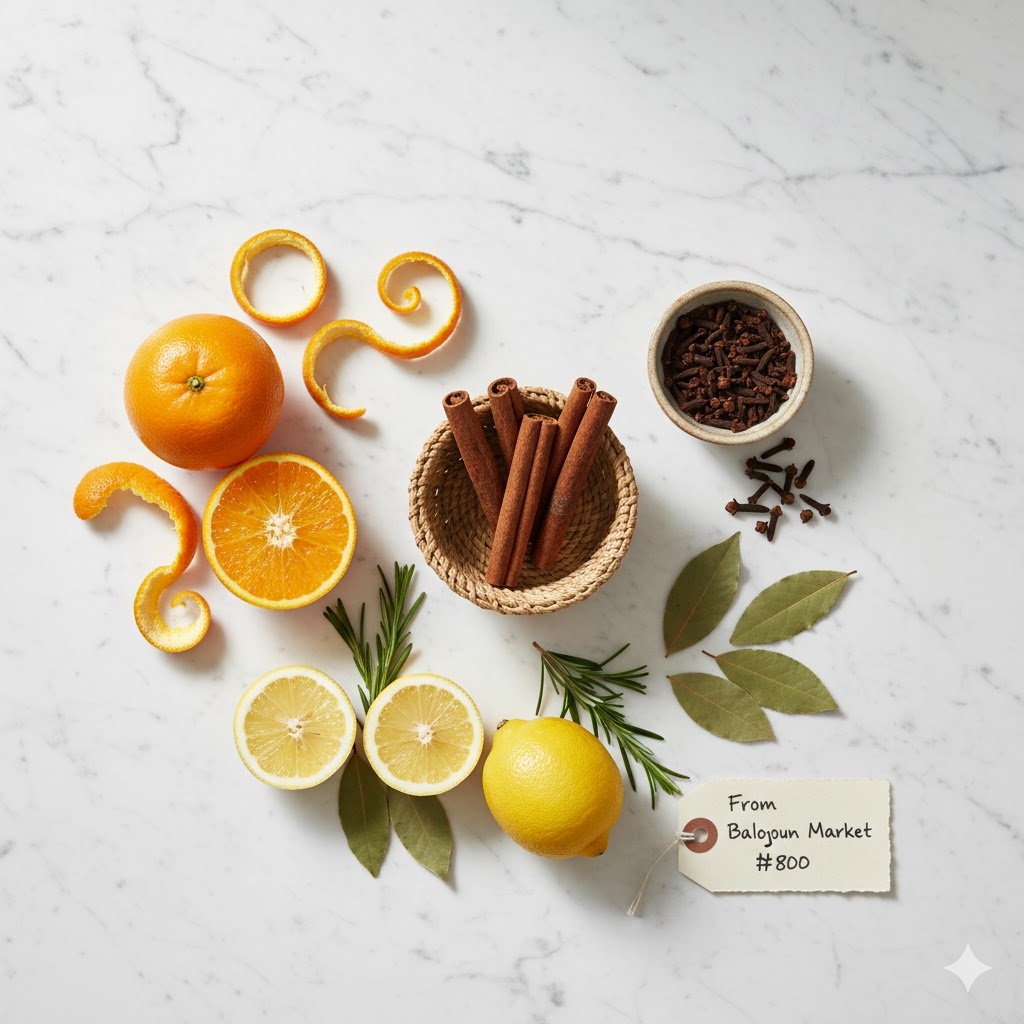
If you are wondering where to start, you only need three simple things from the Nigerian pantry to create a powerful, welcoming aroma. These items are common in most kitchens and provide a scent profile that feels both professional and grounded.
- Cinnamon Sticks: These are the backbone of many warm scents. They give off a sweet, woody aroma when heated. You can find them easily at any major market like Balogun Market in Lagos or in local shops in Abuja. They are incredibly durable and can be reused multiple times.
- Whole Cloves: Cloves are tiny but powerful. They have a sharp, spicy scent that pairs perfectly with orange peels and cinnamon. They help the scent last longer, giving you a long-lasting fragrance that permeates even the larger corners of a room.
- Citrus Peels (Orange, Lemon, or Lime): The peels of citrus fruits contain fragrant oils that release a bright, clean smell when simmered. You can use lime as an affordable, zesty alternative to orange or lemon. They are easy to find and are the key to a fresh air feeling, cutting through any dampness in the house.
A peer-reviewed study published in the National Center for Biotechnology Information confirms that essential oils from cinnamon bark, citrus peels, and clove contain natural aromatic compounds that have been used traditionally in cosmetics and fragrances for their pleasant, long-lasting scents. These three ingredients are super affordable and give you the healthiest home fragrance foundation.
How to Make Your House Smell Good with Cinnamon Sticks and Cloves: Step-by-Step Methods
The best way to get a strong, pleasant aroma from your natural ingredients is to heat them up! This is called simmering spices or creating a simmer pot. It is a traditional method that works wonders in Nigerian climates, especially when you need to neutralize the smell of heavy cooking or stale air.
Method 1: The Stovetop Simmer Pot – My Personal Favorite! (The Best, Fastest Way)

I’ll be honest, this is the method I use almost every weekend in my Lagos apartment. It’s the fastest and most effective DIY home fragrance method for transforming the whole atmosphere in minutes. My neighbors actually ask me what delicious thing I’m cooking when I’m just making my home smell nice! It creates a layered, welcoming environment that makes every room feel like a sanctuary.
What You Need:
- 1 saucepan or a small crockpot / slow cooker.
- 4-5 cups of clean water.
- 2-3 cinnamon sticks (break them slightly to release more scent).
- 2 tablespoons of whole cloves.
- Peels of 1 orange, lemon, or lime (lemon slices work well too).
- A handful of bay leaves (optional, but adds a lovely earthy depth).
Instructions:
- Gather: Put the water in your saucepan. If you live in an area with hard water, using filtered water helps keep the scent pure.
- Add Ingredients: Drop in the cinnamon sticks, whole cloves, and citrus peels. You can add a tablespoon of baking soda to the base if your kitchen has persistent cooking odors that need neutralizing.
- Boil: Put the pot on the stove and let it come to a gentle boil.
- Simmer: Turn the heat down very low until it is just simmering. You don’t want a harsh, rolling boil as it wastes water and heat.
- Fragrance Your Home: Leave it on the low heat. The steam will carry the spicy-sweet fragrance all over your house! A bonus: The steaming water also adds natural humidity to your room, which is beneficial when running air conditioning units or during the dry Harmattan season. My favorite time to do this is Sunday morning before church, it sets the mood for the whole week!
- The Crucial Refill & Reuse Step: Always check the water level! I’ve made the mistake of letting it completely evaporate once, and the smell of burnt cloves is not pleasant. Keep adding hot water as needed so your spices don’t burn. For ultimate cost-effectiveness, you can reuse the ingredients and scented water for 1-2 days by storing the mixture in your fridge overnight. Just bring it back to a simmer when you are ready to use it again.
I actually learned this trick from my grandmother in Enugu, and I was truly amazed the first time I tried it at how quickly the aroma filled the house. This stovetop potpourri can neutralize smells from cooking or anything else! If you are a renter and cannot modify your ventilation or install expensive air purifiers, this method serves as an excellent way to reclaim the atmosphere of your living room.
Method 2: Slow Cooker Natural Fragrance (Set-It-and-Forget-It)
For busy Nigerians, a slow cooker or crockpot is perfect. It allows you to maintain a consistent, light scent throughout the day while you work or study.
- Fill the slow cooker about 3/4 full with water.
- Add your ingredients (cinnamon, cloves, orange peels).
- Set it to the “Warm” or “Low” setting.
- It can run safely for hours, filling your home with a natural scenting method that lasts all day! Just remember to check the water level every few hours to ensure it does not run dry.
Generator Fuel Consideration: If you rely heavily on expensive generator fuel, the quick 30-minute high-heat burst of the stovetop method may be more economical than running a slow cooker on low electricity for 4-6 continuous hours. If you’re already using strategies to cool down your Nigerian home without AC, you might worry about adding heat with a slow cooker. The good news is that slow cookers on the ‘warm’ setting produce minimal heat while still releasing wonderful fragrances, ensuring you stay comfortable without sacrificing your home’s aroma.
Method 3: DIY Room Spray (Quick Fragrance Your Home Solution)
For a quick burst, you can make a spray that works instantly to freshen up a guest room or a small apartment.
- Mix 1 cup of distilled water with 2 tablespoons of rubbing alcohol. This helps the ingredients mix better and keeps the mixture fresh for longer in the warm Nigerian climate by preventing bacterial growth.
- Add 10-15 drops of your favorite essential oils (like lavender or eucalyptus) in appropriate dilutions.
- Pour into a spray bottle and shake well before each use. This is a great way to quickly freshen air in any room before guests arrive.
Important Safety Guidelines for Natural Home Fragrances
According to pediatric aromatherapy guidelines, there are crucial safety considerations when using aromatherapy in homes with children. Experts emphasize that aromatherapy should be limited to children over age 3, as there isn’t enough clinical research to support safe use with younger children. Parents should only use essential oils that have been studied and found safe for children over 3, including lavender, peppermint, citrus like sweet orange or mandarin, and ginger, and always in appropriate dilutions.
Experts also warn that overexposure to aerosols with essential oils can irritate the lungs, eyes, and skin of young children, sensitive adults, and even pets. Water-based (ultrasonic) diffusers that disperse fragrance throughout a room for extended periods should be avoided. Aromatherapy experts recommend limiting essential oil diffusion to 15-20 minutes at a time, as prolonged exposure can lead to olfactory fatigue and potential headaches from overexposure. Passive diffusers, such as leaving a cinnamon stick behind an AC vent or fan, are safer alternatives for consistent, low-intensity scenting.
Enhanced Simmer Pot Safety:
- Never leave a hot stove unattended, especially around young children or curious pets, the hot water can cause serious burns.
- Set a timer if you are forgetful to avoid letting water evaporate completely, which is the main cause of a burnt spice odor.
- Keep simmer pots out of reach and covered while not in use so pets cannot eat the contents.
For pets, Veterinary experts note dogs and cats have much more sensitive senses of smell than humans, making them more susceptible to overwhelming or harmful effects of certain scents. Conventional air fresheners contain volatile organic compounds and synthetic fragrances that pose particular risks to pet health.
Safe practices include:
- Keep simmer pots out of reach of children and pets.
- Never let pets drink water from simmer pots.
- Avoid water-based diffusers running continuously. Limit active diffusion of essential oils to 15-20 minutes at a time.
- Use aromatherapy in well-ventilated areas.
- Choose pet-safe scents like small amounts of rosemary when used properly.
- Consult a veterinarian before using concentrated oils around pets, as their metabolism differs from humans.
Method 4: Homemade Potpourri Bowls
This method is great for decorative bowls in entryways or bedrooms where you don’t want a flame or electricity.
- Mix dried orange peels, dried bay leaves, and whole spices like cloves and star anise in a beautiful bowl. To dry citrus peels in the Nigerian heat, lay them in a single layer on a clean tray in a sunny, breezy spot for 2-3 days, or use a low-heat oven (approx. 60°C) for 2 hours if you need them ready immediately. Oven drying is faster but solar drying is free and requires less energy.
- Add a few drops of cinnamon or orange essential oil in appropriate dilutions to refresh the scent every few days.
- Place these natural ingredients in the living room or a hallway. They provide a subtle, consistent fragrance that isn’t overpowering but creates a welcoming environment. For larger homes, consider “scent layering”, placing a simmer pot in the kitchen while keeping decorative bowls in the bedrooms to ensure the fragrance travels pleasantly throughout the entire space.
What Scents Pair Best with Clove?
The spices and aromatic elements that pair best with clove include cinnamon, orange, vanilla, cardamom, and star anise. These warm, complementary scents create balanced combinations that are never overpowering, forming the bedrock of classic, comforting home fragrances. When dealing with the specific challenges of our tropical environment, these spices are particularly effective because their bold profiles help mask heavy humidity or lingering odors from urban surroundings.
Understanding Fragrance Notes
When curating your scent profile, experts categorize ingredients into three distinct notes that work in harmony: top notes, which hit you immediately like bright citrus or sharp mint, middle notes, which act as the heart of the fragrance like deep spices or florals, and base notes, which provide the longevity like creamy vanilla or rich wood. A truly effective blend draws from all three tiers. If you rely only on top notes, the scent will vanish before you even get through your morning tea.
Plants that make excellent top notes include lemon, lime, mint, and rosemary. Your middle notes are best derived from black pepper, ginger, and nutmeg. Base notes are anchored by vanilla, sandalwood, and cinnamon. This is exactly why cinnamon and orange are a powerhouse duo. The orange provides a zesty initial burst, while the cinnamon sticks around to ensure your living area stays cozy long after the sun goes down. Keep in mind that 2026 health insights suggest avoiding constant, heavy diffusion. Short bursts of fragrance are much easier on your lungs than running a diffuser all day.
12 Best Natural Scent Combinations That Make Your House Smell Good
If you are wondering what scents pair well with clove, the answer is almost always citrus and other warm, woodsy spices. I have spent years testing these blends in my own home to see what actually works in our climate. The problem? Those fresheners can cost a lot of Naira every month. Here are 12 combinations that work perfectly for an affordable home fragrance that won’t irritate your family or pets.
| Combination | Nigerian Market Ingredients | Scent Profile & Best Room | Estimated Cost (Naira) |
|---|---|---|---|
| 1. Cinnamon + Orange + Cloves | Cinnamon sticks, Fresh Oranges, Whole Cloves | Warm, spicy, and festive. Great for the living room during the festive season. | ₦600 – ₦1,200 |
| 2. Lemon + Rosemary + Bay Leaves | Lemon slices, Fresh rosemary sprigs, Bay leaves | Clean, herbal, and invigorating. Perfect for the kitchen or bathroom. | ₦700 – ₦1,200 |
| 3. Lime + Mint + Fresh Ginger | Limes, Mint leaves, Fresh Ginger slices | Zesty, cool, and very clean air feeling. Ideal for study areas. | ₦800 – ₦1,300 |
| 4. Clove + Orange Peel + Star Anise | Whole cloves, Orange peels, Star Anise | Deeply aromatic, classic simmer pot scent. | ₦900 – ₦1,400 |
| 5. Cinnamon + Apple + Nutmeg | Cinnamon sticks, Apple slices, Nutmeg (whole or ground) | Sweet, cozy, and comforting. Makes the whole house feel warm. | ₦1,000 – ₦1,500 |
| 6. Lavender + Lemon + Vanilla | Dried Lavender buds, Lemon slices, Vanilla extract (or essential oil) | Calming and floral. The best bedroom relaxation scents. | ₦1,200 – ₦1,800 |
| 7. Eucalyptus + Peppermint + Pine | Eucalyptus leaves, Peppermint leaves or oil, Pine needles | Menthol-fresh and amazing for clearing the head. | ₦1,000 – ₦1,600 |
| 8. Basil + Lime + Cucumber | Fresh Basil leaves, Lime slices, Cucumber slices | Very unique, fresh, and green scent. | ₦900 – ₦1,400 |
| 9. Rosemary + Lemon + Thyme | Rosemary sprigs, Lemon slices, Fresh Thyme | Bright, herbal, and wonderful for neutralizing kitchen smells. | ₦800 – ₦1,300 |
| 10. Ginger + Citrus + Cardamom | Fresh Ginger slices, any Citrus fruit, Cardamom pods | Spicy, exotic, and warming. Great for guests. | ₦1,200 – ₦1,800 |
| 11. Clove + Cinnamon + Cardamom | Whole cloves, Cinnamon sticks, Cardamom pods | The ultimate, long-lasting spice blend. | ₦1,400 – ₦2,000 |
| 12. Orange + Vanilla + Cinnamon | Orange slices, Vanilla extract, Cinnamon sticks | Like baking cookies, a universally loved scent. | ₦1,000 – ₦1,600 |
Seasonal Variations for Natural Fragrance in Nigeria
Living in Nigeria, the humidity and temperature shifts between our seasons demand a dynamic approach. You cannot use the same heavy spice blends in the peak of the rainy season as you would during the height of the Harmattan.
| Season | Typical Needs | Recommended Scents |
|---|---|---|
| Rainy Season (March – October) | Need: Fight dampness, moldy smells, and mustiness. Use antibacterial and drying scents. | Lemon, Lime, Eucalyptus, Peppermint, and strong herbal blends (Rosemary + Thyme). Use Tea Tree Oil in cleaning water to discourage mildew. |
| Dry Season (November – February) | Need: Create warm, comforting, and welcoming atmosphere. Scents last longer in the dry air. | Cinnamon, Cloves, Ginger, Vanilla, and Orange. These classic spice blends are perfect for the cool, dry harmattan wind. |
Natural Remedies to Make Your House Smell Good Room-by-Room
Different areas of your home serve different purposes, which means your scenting strategy should shift accordingly. A bedroom requires a light touch, while the kitchen needs functional odor control.
How to Make Your Living Room Smell Good
The living room is the heart of the home, especially when you have visitors. You want a scent that is welcoming but not so overpowering that it causes headaches. I’ll be honest, this is the method I use almost every weekend in my Lagos apartment.
- Simmer Pot: Use the Cinnamon + Orange + Cloves blend (Combination 1) for a classic, crowd-pleasing aroma. It is the most effective natural remedy to make your house smell good when entertaining. Pro tip: Store the cooled simmer pot liquid in a glass jar in the fridge overnight. You can reheat it for two or three days before the scent fades, which stretches your budget significantly.
- Decorative Bowls: Whether you are decorating a small one-room apartment in Lagos or styling a larger family home, visual appeal matters. Place decorative bowls filled with cinnamon sticks, star anise, and dried orange peels on your coffee table. It acts as both decor and a subtle, dry-diffusion fragrance source.
- Passive Diffusion: If you cannot modify your ventilation or don’t want to use heat, mix a light carrier oil like refined coconut oil with a few drops of essential oils in a narrow-necked glass bottle. Insert bamboo skewers. The scent travels up the wood and fills the room without the need for electricity or open flames. This is far safer for homes with small children than water-based diffusers that can spill or grow mold.
Kitchen Odor Solutions
The kitchen is where we prepare our best meals, but it is also the primary source of lingering cooking odors. After organizing your Nigerian kitchen for maximum efficiency, the next step is keeping it smelling fresh.
- Lemon and Baking Soda Neutralizer: Keep half a lemon in your fridge to absorb fishy or pungent food smells. When you are done with your countertops, sprinkle a light layer of baking soda and mist it with water. Let it sit for 15 minutes before wiping clean. This is far better than masking odors with chemicals because the baking soda actively neutralizes the source of the smell.
- Disposal & Sink Care: If your kitchen sink has a persistent drain odor, drop a handful of citrus peels into the drain followed by a cup of hot water with a teaspoon of salt. The essential oils in the peels act as a natural solvent for grease buildup.
Bedroom Relaxation Scents
The bedroom needs to be a sanctuary. Recent research indicates that fragrance can deeply influence our sleep quality. If you want to relieve stress at home, scent layering is your best friend.
- Lavender Sachets: Place small cloth bags filled with dried lavender buds or peppermint leaves inside your pillowcase or your bedside drawer. Studies have linked lavender aromatherapy to improved sleep and reduced anxiety, which is exactly what we need after a long, busy day in the city.
- DIY Pillow Mist: Mix distilled water, a small splash of vodka (to act as a preservative against mold), and 5-10 drops of lavender or chamomile essential oil in a small spray bottle. Lightly mist your linens ten minutes before you get into bed.
Bathroom Freshening
Bathrooms are high-moisture environments. You need scents that are crisp and clean rather than heavy and spicy.
- Eucalyptus Steam: Tie a bundle of fresh eucalyptus branches to your showerhead, ensuring they stay out of the direct water stream. Every time you take a hot shower, the steam releases the menthol-rich scent, which effectively cuts through the damp, musty smell common in many bathrooms.
- Toilet Bowl Deodorizer: Mix baking soda with a few drops of tea tree oil and leave it in a small container in the bathroom. Once a week, sprinkle a tablespoon into the toilet bowl for a natural, antibacterial refresh.
Where to Put Cinnamon Sticks in a House: Strategic Placement Guide
Cinnamon sticks are more than just a spice for your jollof rice. They are excellent passive diffusers if placed in areas where air naturally flows.
- Fan or AC Vents: If you have an air conditioning unit or a standing fan, tape a bundle of cinnamon sticks near the intake or behind the fan cage. As the air blows through, it gently picks up the scent and circulates it through the room. This is a brilliant, electricity-free trick for renters who cannot make major changes to their living space.
- Wardrobe Sachets: Humidity often leads to musty clothes. Make sachets filled with crushed cinnamon sticks and whole cloves. Hang these in your closet or tuck them between folded sweaters. This keeps your clothes smelling fresh for weeks without the need for synthetic sprays that may damage delicate fabrics.
- Decorative Placement: Mix cinnamon with dried orange slices in a bowl for the living room. It looks like high-end decor while serving a functional purpose.
Safety Note: Always keep these items well out of reach of children and pets. Whole spices are choking hazards, and essential oils can be dangerous if ingested or applied directly to sensitive skin.
How to Use Cloves to Make Your House Smell Good (5 Creative Methods)
Cloves are tiny powerhouses of scent. Because they contain high levels of eugenol, they are naturally antimicrobial and incredibly aromatic.
- Pomander Balls: Stud a fresh orange with whole cloves in a pattern of your choosing. It releases a long-lasting, spicy, and citrusy scent. It is a timeless tradition for a reason.
- Sachet Blends: Mix crushed cloves with cinnamon sticks in small cloth bags. The scent is grounding and perfect for entryways.
- Simmer Pots: Heat is the best way to activate the oils in a clove. Just three or four buds in a small pot of water is enough to scent a whole apartment.
- Oil Blending: If you use an electric diffuser, blend 2 drops of clove essential oil with 5 drops of orange oil. Remember to limit the runtime to 20 minutes. Olfactory fatigue is real; if you run it for hours, you will eventually stop smelling it and start developing a headache.
- Doorway Bundles: Use twine to tie cinnamon and cloves together, hanging them from door handles or near windows where cross-breezes can carry the scent into the rest of the house.
Best Products to Make Your House Smell Nice: Natural Ingredient Shopping Guide for Nigerians
You do not need fancy imported aerosols to keep your home smelling premium. Your local market is actually the best place to start.
- Spice Markets: Visit places like Mile 1 Market in Port Harcourt or open-air markets in Lagos. Bulk spices like cinnamon sticks and whole cloves are significantly fresher and cheaper there than in major supermarkets. The fresher the spice, the more potent the oil content, which means your fragrance will last much longer.
- Citrus Selection: Always opt for fresh fruit. After juicing the fruit for a drink, do not toss the peels. They are the most valuable part of your natural fragrance kit.
- Essential Oils: If you choose to use essential oils, prioritize brands that explicitly state ‘100% Pure’ on the label. Many cheaper oils are diluted with synthetic fragrances, which defeats the purpose of choosing natural options. Always perform a patch test and dilute them before use.
Storing Natural Fragrance Ingredients in the Nigerian Climate
Storage is the most overlooked step in natural fragrance. If you don’t store your supplies correctly, you will end up with moldy cinnamon or scentless cloves within weeks.
- Use Glass Jars: Air-tight glass jars are essential. Plastic can absorb odors and, over time, moisture will find a way in. Keep your glass jars in a cool, dark cupboard, never near the stove where heat fluctuations can ruin the essential oils.
- Drying Citrus Peels: To dry peels effectively in our climate, avoid leaving them in a damp room. Lay them flat on a tray in a well-ventilated, sunny area for two to three days. Alternatively, use your oven on the lowest setting for one hour. They must be completely brittle and dry to the touch before you seal them in a jar. If they are even slightly bendy, they will grow mold.
- Buy Whole, Not Ground: Ground spices lose their fragrance in a matter of days. Always purchase whole spices (sticks, buds, pods) and crush them only when you are ready to make a simmer pot or a sachet. This keeps the scent locked inside the fiber of the spice until you need it.
Nigerian Eco-Friendly Home Fragrance Brands (If You Prefer Ready-Made Options)
The landscape for high-quality, locally produced home fragrances in Nigeria has expanded significantly by early 2026. Many entrepreneurs are now focusing on non-toxic, plant-based ingredients that respect our unique climate. While DIY methods remain the king of affordability, these local businesses provide excellent alternatives for those who lead busy lives or need a gift that looks as beautiful as it smells.
- Koolscent Nigeria continues to lead in local sustainable production. They have moved toward entirely glass-recyclable packaging, which I appreciate, and their scents are formulated to be light enough for our humid weather without being cloying.
- Dr Scent Nigeria remains a top-tier choice for those who prefer professional-grade aroma oils. They offer a vast array of options including DS Lavender, DS Jasmine, and DS Ginger Lemongrass. Pricing varies depending on your needs, ranging from ₦10,500 for starter sets to upwards of ₦259,000 for high-end professional diffusion units for larger living rooms.
- Diffuser Nigeria has doubled down on their refillable aesthetic. They focus on sleek, minimalist designs that function as home decor. By using their refill systems, you reduce the plastic waste that usually comes with mass-market synthetic sprays.
Choosing these brands saves you the effort of sourcing, drying, and boiling ingredients yourself. However, if you are managing a household budget, please remember that the DIY methods outlined in this guide provide the exact same sensory experience for a fraction of the cost. The problem? Those fresheners can cost a lot of Naira every month. By sticking to natural ingredients you find at the local market, you save money while avoiding the synthetic chemicals found in many commercial sprays.
Eco Home Fragrance Hacks for Making House Smell Good
Sometimes you need a quick fix that doesn’t involve the stove. These 10 eco friendly ways to make your house smell good utilize items you likely already have in your kitchen cupboards. I’ll be honest, this is the method I use almost every weekend in my Lagos apartment.
- Coffee Grounds Odor Absorber: Don’t throw away your morning grounds! Spread them on a tray to dry thoroughly in the sun, then place them in an open bowl in your fridge or a shoe closet to eliminate odors.
- Baking Soda Carpet Freshener: To keep rugs fresh, sprinkle a thin layer of baking soda over them. Let it sit for 30 minutes to pull out moisture and trapped dust, then vacuum thoroughly. It is a lifesaver during the harmattan when dust settles everywhere.
- Vinegar Cleaning Spray: Mix two cups of water with half a cup of white vinegar. Add 10 drops of eucalyptus or peppermint essential oil to mask the sharp vinegar note. Use this to wipe down kitchen counters and tiled floors. The vinegar scent dissipates in minutes, leaving behind only the crisp, clean herbal aroma.
- Activated Charcoal Bags: In our humid climate, dampness often leads to mustiness. Small bags of activated charcoal are excellent for tucking into wardrobes, gym bags, or damp bathroom corners to neutralize smells naturally.
- Fresh Herb Bundles: Take a tip from traditional kitchens. Tie fresh rosemary or basil with kitchen twine and hang the bundle near a window or in a well-ventilated corner. It creates a subtle, earthy scent that lasts for several days as the herbs dry.
- Citrus Peel Garbage Disposal Refresher: If you use a food disposal unit, toss in your leftover orange or lemon peels with a steady stream of cold water. It cuts through grease and keeps the pipe smelling like sunshine.
- Essential Oil Cotton Ball Trick: Soak a cotton ball in a few drops of clove or cinnamon oil. Tuck it behind a curtain or near an air vent where the airflow will catch the scent and distribute it gently through the room.
- Fabric Freshener Spray: Use the DIY room spray recipe mentioned earlier to lightly mist your curtains and sofa cushions. It keeps the fabric smelling clean without the harsh chemicals found in store-bought aerosol fresheners.
- Shoe Deodorizer Method: Fill old, clean socks with a few tablespoons of baking soda and tie them shut. Stuff these into your shoes overnight to absorb sweat and prevent lingering foot odors.
- Refrigerator Freshening: Always keep a small open jar of baking soda in the back of your fridge. It is the single most effective way to prevent food odors from mingling in your cold food storage.
Spiritual and Cultural Significance: What Does Cinnamon Mean?
There is a rich tradition in Nigeria regarding the use of spices beyond their culinary benefits. During festive seasons like Christmas or New Year, the scent of spice-laden homes is a hallmark of hospitality.
Cinnamon in Religious Texts
Many people find comfort in the historical usage of spices. If you are curious about what the Bible says about using cinnamon, it is mentioned as a key component of the holy anointing oil in Exodus 30:23. While that context is sacred, the enduring nature of cinnamon as a symbol of value remains a core part of its history.
What does blowing cinnamon in your doorway do? This is a popular ritual across many cultures. Blowing cinnamon into your entrance on the first day of the month is said to invite prosperity and warmth into your living space. It is less about magic and more about creating a mindful ritual that centers your home. When you combine this with the act of cleaning, you are essentially setting a fresh intention for the weeks ahead. It is a beautiful way to welcome guests and ensure your home feels like a sanctuary, especially when the scent of warm spice meets the cool evening air.
Even science backs the mood-boosting potential of these aromas. Breathing in natural spice scents, when used properly, can lower perceived stress levels and ground your senses, contributing to a more peaceful environment for your family.
Pet-Safe Home Fragrances: What Animals Hate the Smell of Cloves?
If you share your home with pets, you must prioritize their respiratory health. Studies from 2025 and 2026 highlight that household air quality is a significant factor in pet longevity. A major 2023 Chemosphere study identified hundreds of VOCs in standard home fragrance products, many of which can be hazardous to cats and dogs who have much more sensitive olfactory systems than humans.
Safety: Be extremely cautious with concentrated essential oils. While they smell lovely to us, they can cause significant distress or toxicity to animals. Never leave a simmer pot unattended where a curious pet could drink the water, and ensure the room is well-ventilated if you are using strong scents. Veterinary advice consistently points to using natural, whole ingredients like fruit peels instead of highly concentrated drops, as they pose a much lower risk of inhalation toxicity.
CRITICAL CLOVE WARNING: Whole cloves in a pot are generally fine, but clove essential oil is particularly dangerous for cats and dogs due to the high concentration of eugenol. It should NEVER be used in concentrated form around your furry companions, as it can be absorbed through the skin or cause respiratory irritation.
What Animals Hate the Smell of Cloves? Interestingly, many cats and dogs naturally avoid strong, pungent scents like whole cloves and concentrated citrus. This provides a natural boundary, if you have a simmer pot simmering in the kitchen, the scent will likely be strong enough that your pet will simply choose to nap in a different room. This is the beauty of natural fragrance: the potency serves as a deterrent without the chemical side effects of synthetic aerosols.
Pet-Safe Scents: Stick to safe, gentle aromatics like fresh rosemary or basil. Always consult your vet before introducing any new concentrated scents into your home if you have animals with asthma or sensitivities.
How to Make a Boil to Make Your House Smell Good: Complete Simmer Pot Recipes
To get the best long-lasting fragrance, follow these precise ratios. The trick is to keep the heat low, you want steam, not a rolling boil that evaporates the liquid in minutes.
Recipe 1: Tropical Citrus Clean
| Ingredient | Measurement | Notes |
|---|---|---|
| Water | 6 cups | Use clean, filtered water |
| Orange Peels | Peels of 2 oranges | Cut peels into large, thick chunks |
| Bay Leaves | 3-4 large leaves | Fresh or dried, easily found in Nigerian markets |
| Vanilla Extract | 1 tablespoon | Add just before simmering for best results |
| Estimated Nigerian Cost | ₦500 | Highly affordable |
Instructions: Add all ingredients to your pot. Once it hits a boil, drop the heat to the lowest setting. The aroma is bright and sweet. You can keep this going for up to 6 hours, just remember to add more water if the level drops.
Recipe 2: Warm Spice Holiday
| Ingredient | Measurement | Notes |
|---|---|---|
| Water | 6 cups | Start with hot water to save energy |
| Cinnamon Sticks | 4-5 sticks | Use high-quality sticks for maximum scent |
| Whole Cloves | 3 tablespoons | Keep whole; ground will muddy the water |
| Star Anise | 5-6 pieces | Adds a sophisticated, deep aroma |
| Estimated Nigerian Cost | ₦800 | Worth it for the depth of scent |
Instructions: This is the ultimate Nigerian Christmas scent. The fragrance is woody, deep, and incredibly welcoming. I use this when guests are coming over; the house feels instantly cozy.
Recipe 3: Minty Herbal Fresh
| Ingredient | Measurement | Notes |
|---|---|---|
| Water | 5 cups | |
| Lemon Slices | 1 whole sliced lemon | Excellent for neutralizing heavy cooking smells |
| Fresh Rosemary | 3-4 sprigs | Adds a clean, sharp, herbal base |
| Peppermint Leaves | Handful of fresh leaves | Essential for the “cooling” aroma |
| Estimated Nigerian Cost | ₦600 | Perfect for kitchen air freshening |
Instructions: Bring to a simmer to clear out heavy air. The combination of lemon and peppermint acts like a reset button for a stale-smelling kitchen.
Troubleshooting Common Issues with Natural Home Fragrances
Living in Nigeria’s varied climate, from the rainy south to the dusty, dry north, requires some specific adjustments.
| Problem | Solution/Hacks |
|---|---|
| Scent not strong enough | Add more cloves or cinnamon. Cover the pot for 15 minutes to trap the steam, then uncover. |
| Preventing mold in humid climate | Always store simmer pot liquid in the fridge overnight. For sprays, add a small splash of rubbing alcohol to preserve the mixture. |
| Extending ingredient longevity | Pour the liquid into a clean jar and refrigerate. Reheat for 1-2 more days. |
| Avoiding burnt smell mistakes | NEVER let the water evaporate. Set a recurring timer on your phone to check the pot. |
| Drying citrus peels | In humid weather, use an oven on its lowest setting for 2 hours rather than air-drying to prevent molding. |
| Scent layering for large homes | Place cinnamon sticks behind AC vents or fans for passive, consistent diffusion across larger spaces. |
Cost Comparison: Natural vs Commercial Air Fresheners in Nigeria
Transitioning to eco friendly ways to make your house smell good is a major budget win. The 2024 data on consumer spending shows that the average Nigerian household can save thousands of Naira annually by skipping synthetic aerosols.
| Item | Monthly Cost (Estimated) | Health Benefit |
|---|---|---|
| Commercial Aerosol Spray | ₦3,500 – ₦5,000 | Potential risk of VOC inhalation |
| Plug-in Diffuser Refills | ₦4,000 – ₦7,000 | Possible headache triggers |
| Natural Simmer Pot Ingredients | ₦1,000 – ₦1,800 | Non-toxic, safe for family |
| Yearly Savings | Over ₦30,000 per year! | Improved indoor air quality |
Frequently Asked Questions
How long do natural home fragrances last? A stovetop simmer pot lasts 4 to 6 hours. For dry potpourri, you can refresh the scent every few days with a drop of pure extract or oil to keep it potent for weeks.
Can I use these methods with children? Yes. Unlike commercial sprays containing formaldehyde or benzene, these natural ingredients are safe for kids when used according to the safety guidelines. Just ensure your simmer pot is kept away from the edge of the stove.
What if I don’t have a stove? Use a small electric wax warmer with a water dish, or simply leave small open jars of dried citrus and cinnamon in strategic areas to act as passive scent throwers.
How do I preserve leftover ingredients? If you want to reuse them, strain the liquid and keep it in a sealed jar in your fridge. It will stay fresh for up to 48 hours before you need to discard it.
Are these methods safe for asthma sufferers? Research shows that conventional products can exacerbate respiratory issues. Using pure, natural ingredients like lemon or eucalyptus is much easier on the lungs. Always test in moderation to see what works best for your specific sensitivity.
How often should I change simmer pot ingredients? In Nigeria’s humidity, change them every 24 hours. Don’t leave water sitting out for days, as it can encourage microbial growth. Frequent rotation ensures your home always smells crisp and clean.
Conclusion
You have learned that getting a lovely, fresh-smelling home doesn’t have to cost a fortune or harm your household. The problem? Those fresheners can cost a lot of Naira every month. Recent research indicates that conventional sprays often hide dangerous chemicals like formaldehyde and benzene. By using simple, affordable local ingredients like cinnamon sticks and lemon slices, you can enjoy the healthiest home fragrance and prioritize safety.
A beautifully scented home is one of those small daily joys that transforms ordinary moments into something special. I’ll be honest, this is the method I use almost every weekend in my Lagos apartment. The ritual of preparing your morning simmer pot becomes a mindful practice that keeps your space comfortable. If you rent your place and cannot modify the ventilation, try placing cinnamon sticks behind your AC vents for a subtle, passive scent that avoids the risks of synthetic diffusers.
Your next step? Head to your local market and grab a handful of whole cloves and some oranges. You can store your simmer pot liquid in the fridge overnight to reuse it for two days, saving even more money. Try this method this week. It is the smartest way to change the air in your living room without relying on products that trigger headaches or respiratory issues. Whether you choose to sun-dry your peels or use your oven to prevent molding in our humid climate, stay consistent with natural, plant-based choices.

Oladepo Babatunde (Prince Babatee Tunde) is a Computer Scientist, researcher, and professional content writer with a Higher National Diploma in Computer Science from Kwara State Polytechnic, Nigeria.
With a background in technology and a passion for clear communication, Babatunde specializes in creating thoroughly researched, reader-focused content on productivity, personal development, home living, and technology. Every article he writes is backed by extensive research and fact-checking to ensure readers receive accurate, actionable information.
As a freelance writer, he has helped brands and publications deliver content that educates, engages, and empowers their audiences. His mission at Vibena is simple: make complex topics easy to understand and help Nigerians live smarter, more productive lives.