Nigeria is home to some of the most beautiful tourist attractions in Africa. I have spent years crisscrossing this nation, from the ancient rock fortresses of the southwest to the dense, misty mountain resorts of the southeast. While many Nigerians fixate on vacations in Dubai or Paris, they ignore the breathtaking natural wonders right in their own backyard. Whether you crave the historic majesty of Olumo Rock in Abeokuta or the chilling, high-altitude air of the Obudu Mountain Resort, genuine adventure awaits you within our borders.
In this updated look, I am not simply listing locations. I am mapping out the top 10 tourist attractions in Nigeria for the 2026 traveler. We will analyze exact locations, the authentic reasons these spots define our national pride, and the practical street-smart logistics you need to navigate these sites safely. Unlike generic top 10 tourist attractions in Nigeria Wikipedia entries, this piece provides you with verified, current pricing, firsthand safety assessments, and the kind of ground-level advice that keeps your trip organized and secure.
Whether you are searching for tourist attractions near Lagos, scouting places to visit in Abuja this weekend, or planning stress-free weekend ideas that won’t drain your savings, this guide serves as your primary roadmap to the most impressive landscapes across our great country.
Why Nigeria is a Must-Visit Tourist Destination
You might wonder if the logistics are worth the effort. My answer remains a firm yes. Our land offers everything from cascading waterfalls and sprawling rainforests to expansive savannahs and geologic wonders. If you are heading to Yankari, remember that the park spans 2,244 square kilometers and remains one of the few places to see elephants in the wild. If you prefer the heights, be prepared to tackle the 662 steps of the Idanre Hills or the dizzying 401-meter canopy walkway at the Lekki Conservation Centre.
Data from 2026 shows that Enugu and Kwara States continue to lead the pack with over 17 distinct tourist sites each. Lagos holds steady with 13 major centres of interest. However, tourism here transcends mere photography. It is about the authentic taste of spicy Suya in the heart of Abuja, the vibrant cultural festivals, and that unmatched Nigerian spirit that cannot be replicated anywhere else on the globe.
Top 10 Tourist Attractions in Nigeria and Their Locations
So, where should you start? Here are the best places to visit in Nigeria that offer real value for your time and money.
1. Yankari National Park, Bauchi State
- Location: Mainamaji Village, Alkeleri LGA, Bauchi State.
- Best Time to Visit: November to May (Dry Season).
Tucked away in the savannah of Bauchi State, Yankari National Park is Nigeria’s premier biodiversity hotspot. It is widely recognized as Nigeria’s richest wildlife oasis, covering a total area of 2,244 km².
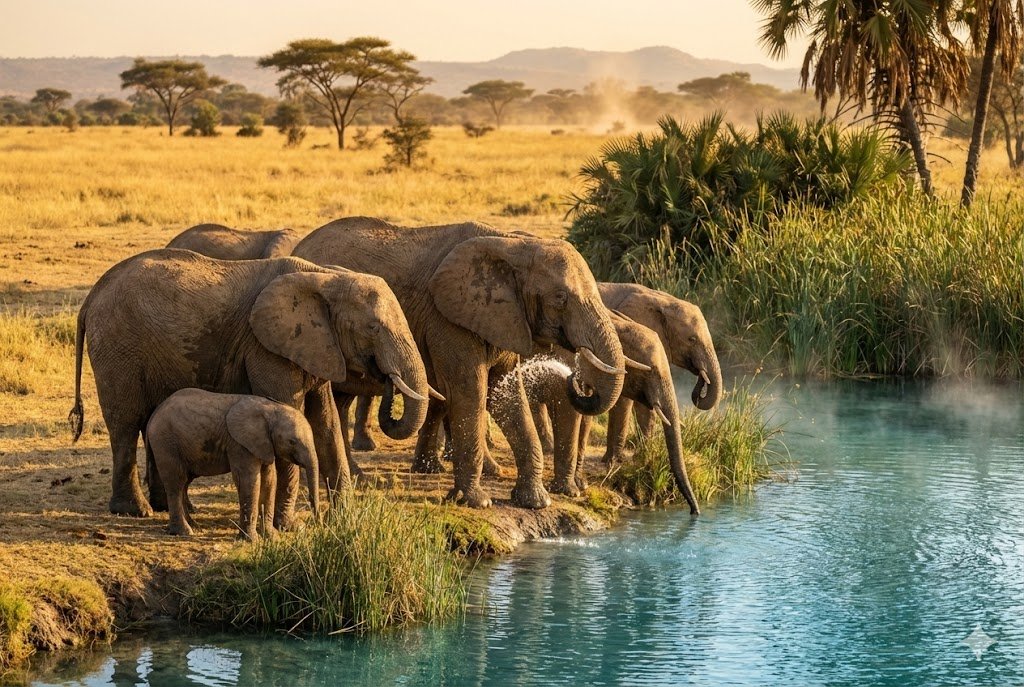
It offers something many other destinations can’t, the chance to spot the largest surviving elephant population in Nigeria, currently estimated at about 100-150 individuals by conservationists. Furthermore, it supports one of the few remaining populations of the critically endangered West African lion. With global lion populations having declined by half in the last quarter-century, a visit here is a support for vital conservation efforts.
But wildlife isn’t the only draw. The park is famous for the Wikki Warm Spring and other natural attractions, a geological wonder with crystal-clear water that maintains a constant, naturally occurring temperature of 31°C all year round.
Getting There from Major Cities:
- From Lagos: Fly to Abuja (1 hour), then take a connecting flight to Bauchi (if available) or hire a private vehicle for the 4-5 hour drive. Alternatively, fly to Jos and drive 2-3 hours to the park.
- From Abuja: The most popular route is by road via Jos, which takes about 4-5 hours.
- From Port Harcourt: Fly to Abuja, then continue by road or connecting flight as described above.
Practical Info (2025 Updates):
- Entry Fees: Very affordable. ~₦500 for Nigerian adults and ~₦1,000 for foreign nationals.
- Safari Truck: To see the animals, you’ll need to rent a safari truck, which costs approximately ₦15,000 per trip (can be split among a group).
- Accommodation: Options range from Student Hostels (starting ~₦9,000/night) to the luxurious Corporate Villas (~₦80,000+/night).
Visitor Need-to-Knows:
- Operating Hours: Safari drives typically run from 7:00 AM – 10:00 AM and 3:30 PM – 5:30 PM. The Wikki Warm Spring is open until late for lodge guests.
- Network Coverage: Poor. Signal is generally weak inside the reserve. MTN has the strongest signal near the reception/lodge area, but expect to be offline during safari drives.
- Accessibility: Low. The safari trucks are high-clearance vehicles requiring one to climb up. The path to the spring has stairs and uneven ground, making it difficult for wheelchair users.
- Contact: Official booking channels are often offline. It is highly recommended to book through a certified Bauchi-based tour agent or visit the Bauchi State Tourism Board office if in the city.
2. Obudu Mountain Resort, Cross River State
- Location: Obudu Plateau, Cross River State.
- Best Time to Visit: October to January (for the best weather).
Now, if you prefer cold weather to the heat of the savannah, Obudu is your spot. Often called “Obudu Cattle Ranch,” this resort consistently ranks high among the top 10 tourist attractions in Nigeria due to its unique climate. The weather here is unique, it is misty and rarely goes above 20°C, often dropping to single digits at night. It feels more like a village in the Swiss Alps than West Africa.
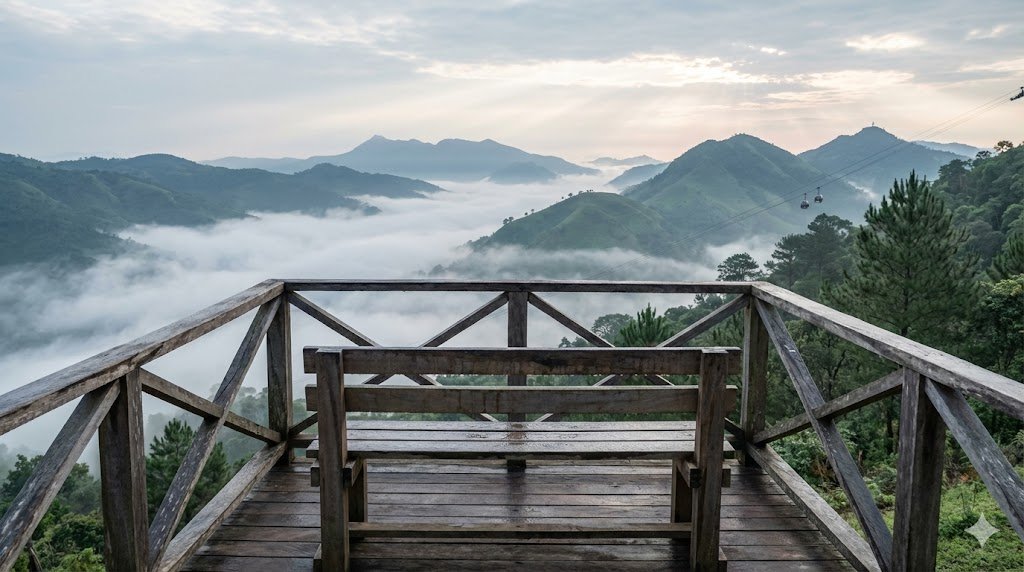
Obudu Mountain Resort is perfect if you need to plan a reset day away from city noise, the cold weather and mountain views help you disconnect and recharge completely. It sits within the Cross River region, which is a UN-acclaimed biodiversity hotspot containing one of the oldest rainforests in Africa, evolved over 60 million years ago.
- Important Update (December 2025): Obudu Mountain Resort is undergoing a major restoration after years of decline. In March 2025, Governor Bassey Otu revoked the previous concession agreement and declared the resort’s revival a top economic priority. The Federal Government has committed N5 billion, and UNIDO is installing a 2.5-megawatt power plant to solve chronic power issues. While remedial repairs are ongoing and some facilities have reopened, the famous cable car was non-operational for several years and restoration was promised for late 2025. It is strongly advised to contact the resort or a Cross River tour operator to confirm current operational status before traveling.
Getting There from Major Cities:
- From Lagos: Fly to Enugu or Calabar. From Enugu, it is a scenic 4-5 hour drive. From Calabar, the drive is longer (approx. 6-7 hours).
- From Abuja: Fly to Enugu (Akanu Ibiam International Airport), then hire a taxi for the 4-5 hour drive up the mountain.
- From Port Harcourt: It is a long road trip (approx. 6-7 hours) via Enugu or Calabar. It is best planned as a weekend trip rather than a day trip.
Pricing & Accommodation (2025 Estimates):
- Resort Rooms: Staying at the resort itself is premium. Standard rooms start around ₦25,000, while Mountain Villas can go up to ₦180,000 per night.
- Budget Option: If the resort is too pricey, look for guest houses in Obudu town (like Evergreen Hotel or Valley of Beracah) which can be as low as ₦6,000 – ₦10,000, though you’ll need to drive up the mountain to visit.
Visitor Need-to-Knows:
- Operating Hours: The resort is open 24/7 for guests.
- Network Coverage: Fluctuating. Due to the high altitude and weather, signal can come and go. Glo and MTN tend to have a presence, but data speeds may be slow.
- Accessibility: Moderate/Difficult. The terrain is hilly with many stairs. While you can drive to most viewpoints, moving around the resort grounds without walking is challenging for wheelchair users.
- Contact: Direct booking lines are notoriously unreliable. It is safer to book through a reputable Nigerian travel agency like Hotels.ng or local Cross River tour operators to ensure your reservation exists upon arrival.
3. Olumo Rock, Abeokuta, Ogun State
- Location: Ikija Road, Abeokuta, Ogun State.
- Best Time to Visit: Dry season is easier for climbing, but it’s open year-round.
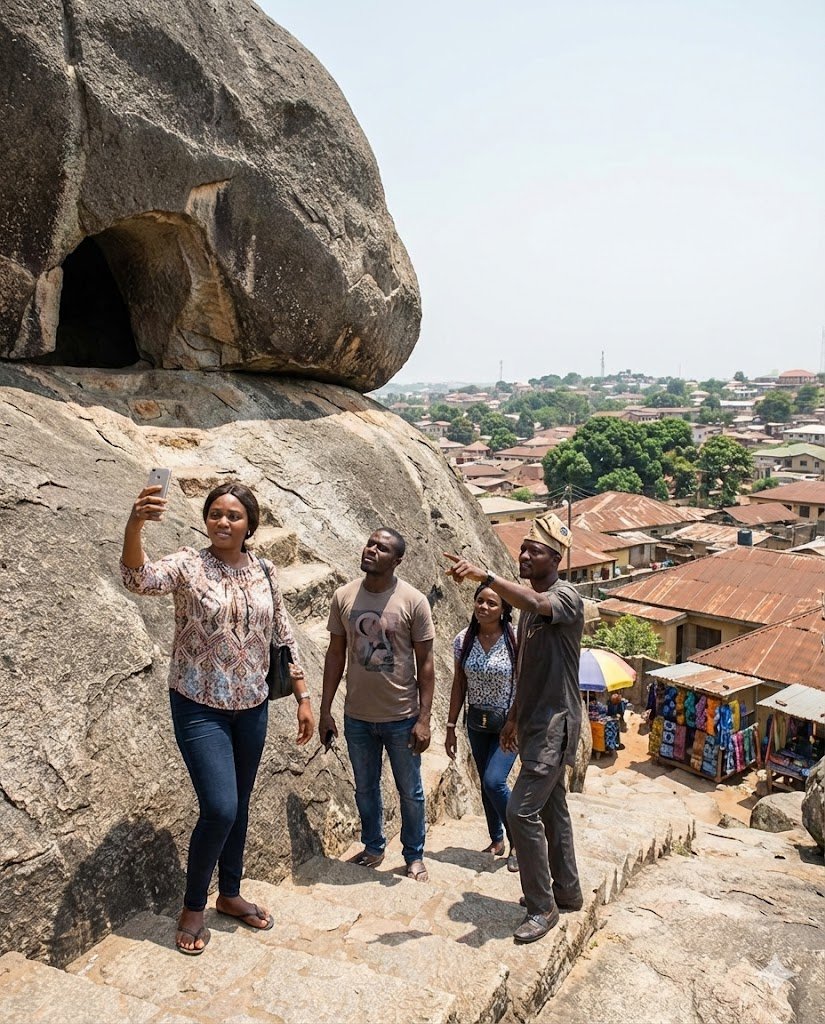
Speaking of adventure, let’s head to the South West. Olumo Rock isn’t just a rock; it is a symbol of unity and freedom. Standing at 137 meters above sea level, Olumo Rock is more than just a geological wonder. Archaeological studies suggest the site has been inhabited for thousands of years, though it gained historical prominence as a fortress for the Egba people during 19th-century inter-tribal warfare.
The experience here is deeply historical. As you climb (either by stairs or the elevator), local guides will show you the exact caves where warriors hid their families during the inter-tribal wars. You will see ancient grinding stones used for cooking and holes in the rock floor used for pounding yams.
Getting There from Major Cities:
- From Lagos: It is one of the best tourist attractions near Lagos for a quick trip. The drive from Lagos to Abeokuta takes about an hour and a half, create a good playlist to make the journey as enjoyable as the destination. Alternatively, take the new Lagos-Ibadan train from Mobolaji Johnson Station (approx. 1 hour).
- From Abuja: Fly to Lagos, then take the train or a taxi to Abeokuta.
- From Port Harcourt: Fly to Lagos, then proceed by rail or road.
Practical Info:
- Entry Fees: Note that the “Free Entry” promo ended in August 2025. Budget approximately ₦2,000 per person to cover entry, the elevator ride, and a small tip for the guide.
Visitor Need-to-Knows:
- Operating Hours: 9:00 AM – 6:00 PM Daily.
- Accessibility: Good (Conditional). Olumo Rock is one of the few natural sites in Nigeria with a functioning elevator specifically for the elderly and those with mobility issues. Note: Always confirm the elevator is powered/working before paying if this is critical for you.
- Network Coverage: Excellent. Being in the heart of Abeokuta city, you will have strong 4G coverage on all major networks (MTN, Airtel, Glo).
- Photography: Allowed everywhere. The guides will happily help you take photos at the summit.
4. Osun-Osogbo Sacred Grove, Osun State (UNESCO)
- Location: Osogbo, Osun State.
- Best Time to Visit: August (during the festival) or quieter months for peace.
If you are interested in culture and spirituality, this site is non-negotiable. Recognized as a UNESCO World Heritage Site since 2005, it is one of the last remaining sacred forests in Yoruba land and the home of Osun, the goddess of fertility. Unlike many other forests that have been cut down for urbanization, this grove has been protected for centuries.
The forest feels alive and mysterious. It is an open-air museum filled with giant, strange, and beautiful sculptures created by the late Suzanne Wenger (Adunni Olorisha) and local artists.
Getting There from Major Cities:
- From Lagos: A road trip takes about 3-4 hours via the Lagos-Ibadan expressway.
- From Abuja: You can fly to Ilorin or Akure (both approx. 1.5 – 2 hours drive to Osogbo) or drive the full distance (approx. 7 hours).
- From Port Harcourt: Fly to Lagos, then hire a vehicle or take an interstate bus to Osogbo.
Visitor Need-to-Knows:
- Operating Hours: 8:00 AM – 6:00 PM (Daylight hours).
- Photography Rules: Strict. While you can photograph the sculptures and nature, taking photos of devotees, worshippers, or ongoing rituals without express permission is disrespectful and often prohibited.
- Accessibility: Low. The paths are unpaved forest trails with tree roots and uneven ground. Not suitable for wheelchairs.
- Network Coverage: Good. The grove is on the outskirts of Osogbo city, so MTN and Airtel usually have decent service.
5. Lekki Conservation Centre, Lagos State
- Location: Lekki-Epe Expressway, Lagos.
- Best Time to Visit: Early morning (around 9 AM) to avoid the heat.
Need a break from the Lagos “wahala” and traffic? As a modern addition to the top 10 tourist attractions in Nigeria, this 78-hectare mangrove reserve is exactly what you need when the Lagos madness gets too much. The Lekki Conservation Centre isn’t just for nature lovers, it’s also one of the best stress-free photography spots in Lagos for content creators and families looking to capture memorable moments.
The undisputed highlight is the Longest Canopy Walkway in Africa. This 401-meter-long suspended swinging bridge takes you right over the treetops. It gives you a thrilling bird’s-eye view of the swamp and forests below.
Getting There from Major Cities:
- From Lagos: It is located on the Lekki-Epe Expressway, opposite Chevron. It is accessible by Bolt, Uber, or Danfo bus from anywhere in the city.
- From Abuja: Fly to Lagos (MMIA), then take a taxi to Lekki (approx. 1 hour depending on traffic).
- From Port Harcourt: Fly to Lagos, then proceed by taxi.
Budget Note (2025): Budget approximately ₦4,500 – ₦5,000 per person (2025 estimate). This typically covers the gate fee (~₦2,000) and the separate ticket required for the Canopy Walk (~₦2,500). Confirm current prices at ncfnigeria.org or call ahead, as entry fees are adjusted periodically. Note: You must wear sneakers to go on the canopy walk.
Visitor Need-to-Knows:
- Operating Hours: 8:30 AM – 5:00 PM Daily. Tip: Arrive before 3:00 PM to ensure you have enough time for the canopy walk before they stop admitting people to the bridge.
- Accessibility: Mixed. The wooden boardwalk at ground level is flat and can accommodate wheelchairs to a certain point (Family Park). However, the Canopy Walkway itself is NOT wheelchair accessible and involves climbing several flights of stairs.
- Network Coverage: Excellent. 4G and 5G are widely available on all networks.
- Contact: Official Website:
ncfnigeria.org.
6. Zuma Rock, Niger State/Abuja
- Location: Madalla, Niger State (Along the Abuja-Kaduna Expressway).
- Best Time to Visit: Dry season (April to October).
You have definitely seen this rock on the 100 Naira bill, but seeing it in real life is awe-inspiring. Standing over 700 meters tall, Zuma Rock is a monolith (a single piece of rock) that dominates the landscape. It is often called the “Gateway to Abuja.”
The rock is shrouded in mystery and legends. The most famous feature is the natural contour on the rock face that looks exactly like a human face, complete with eyes, a nose, and a mouth.
Getting There from Major Cities:
- From Lagos: Fly to Abuja. From the airport or city center, it is a 45-minute drive along the Kaduna expressway.
- From Abuja: This is one of the top places to visit in Abuja this weekend. It is a short 40-minute drive from the city center (Wuse/Maitama).
- From Port Harcourt: Fly to Abuja, then take a taxi.
Visitor Need-to-Knows:
- Operating Hours: Best viewed during daylight hours (7:00 AM – 6:00 PM).
- Accessibility: Good (for viewing). You view the rock from the ground level or the nearby resort, which is accessible. Climbing the rock itself is dangerous and generally restricted.
- Network Coverage: Very Good. Strong signal along the main expressway.
- Photography: Best photos are taken from the main road or the Zuma Rock Golf Resort.
7. Idanre Hills, Ondo State
- Location: Idanre Town, Ondo State.
- Best Time to Visit: Dry season (The steps can be slippery when wet).
This one is for the fitness lovers and nature enthusiasts. Idanre Hills is currently on the tentative list for UNESCO World Heritage status. To reach the ancient city on top, you have to climb 662 steps. It sounds tiring, but there are resting points along the way.
Once you reach the top, it feels like stepping back in time. You will see the ruins of the Old Palace (Owa’s Palace), the ancient court, and the primary school built by missionaries.
Getting There from Major Cities:
- From Lagos: A road trip takes about 4-5 hours.
- From Abuja: Fly to Akure (Ondo State capital), then take a 30-minute taxi ride to Idanre.
- From Port Harcourt: Fly to Akure (if direct flights are active) or Lagos, then proceed by road.
Visitor Need-to-Knows:
- Operating Hours: 8:00 AM – 5:00 PM Daily.
- Accessibility: Not Accessible. There are no elevators or ramps. You must be physically fit enough to climb 662 steps.
- Network Coverage: Variable. Signal can be spotty at the bottom but, surprisingly, MTN often has decent reception at the summit.
- What to Wear: Good grip sneakers are mandatory. Do not attempt this in sandals or crocs.
8. Gurara Falls, Niger State
- Location: Gurara LGA, Niger State.
- Best Time to Visit: Rainy season for power; Dry season for swimming.
Gurara Falls is one of the most famous waterfalls in Nigeria, located about an hour and a half from Abuja. The river spans about 200 meters across, creating a wide, curtain-like waterfall that drops about 30 meters.
Getting There from Major Cities:
- From Lagos: Fly to Abuja, then hire a driver for the 1.5-hour trip.
- From Abuja: It is a popular day trip location, taking about 1.5 hours by road. If you are looking for places to visit in Abuja this weekend, a picnic here is perfect.
- From Port Harcourt: Fly to Abuja, then proceed by road.
Visitor Need-to-Knows:
- Operating Hours: 8:00 AM – 5:00 PM.
- Accessibility: Low. The path from the parking area down to the riverbank is steep, rocky, and uneven. Not suitable for wheelchairs or those with severe knee issues.
- Network Coverage: Patchy. Service can be intermittent. Download offline maps before leaving Abuja.
9. Awhum Waterfall and Cave, Enugu State
- Location: Amaugwe village, Awhum, Enugu State.
- Best Time to Visit: Dry season.
Moving to the East, we have a site that feels almost holy. Awhum isn’t just a standard waterfall; it is a geological masterpiece situated within a massive granite cave/canyon structure. The walls of the canyon are incredibly high, and the waterfall cascades down from the top, creating a serene and echoing atmosphere.
Visiting sites like this isn’t just about sightseeing, it’s also a form of self-care that helps you break from routine and refresh your mind.
Getting There from Major Cities:
- From Lagos: Fly to Enugu (Akanu Ibiam Airport). From Enugu city, it is a 45-minute to 1-hour drive.
- From Abuja: Fly to Enugu, then take a taxi.
- From Port Harcourt: This is one of the few major attractions accessible via day trips from Port Harcourt by road (approx. 3-4 hours drive).
Visitor Need-to-Knows:
- Operating Hours: 8:00 AM – 4:00 PM. Strict adherence to time is required as it is monastery property.
- Photography Rules: Restricted. You are generally allowed to photograph the waterfall, but photography of the monks, the monastery buildings, or prayer sessions is strictly forbidden.
- Accessibility: Not Accessible. The trek involves walking through water and sand for about 45 minutes to reach the falls.
- Network Coverage: Very Poor. There is almost no signal inside the canyon walls.
10. Kajuru Castle, Kaduna State
- Location: Kajuru LGA, Kaduna State.
- Best Time to Visit: Dry season.
Imagine seeing a European-style medieval castle with dragons and turrets in the middle of Northern Nigeria. That is Kajuru Castle. It looks like it was teleported from 12th-century Germany, but it was actually built in the 1980s by a German expatriate living in Nigeria.
Getting There from Major Cities:
- From Lagos: Fly to Kaduna (if flights are operating) or fly to Abuja and take the train.
- From Abuja: The safest and most scenic route is to take the Abuja-Kaduna train (approx. 2 hours) to Rigasa station, then hire a secure taxi to Kajuru.
- From Port Harcourt: Fly to Abuja, then take the train to Kaduna.
Visitor Need-to-Knows:
- Operating Hours: Private Access Only. You cannot just show up at the gate. You must have a confirmed booking (usually for overnight stays or specific group tour slots).
- Accessibility: Low/Moderate. The castle is designed like a medieval fortress with many spiral staircases and uneven stone floors.
- Network Coverage: Fair. Major networks work reasonably well in the area.
- Contact: Bookings are typically handled via direct referrals or specific travel curators online.
What Are the Top Three Tourist Attractions in Nigeria?
The primary trio defining our tourism sector includes Obudu Mountain Resort in Cross River, Yankari National Park in Bauchi, and Olumo Rock in Ogun. Nigeria is home to some of the most beautiful tourist attractions in Africa. I personally rank these as the gold standard because they offer a blend of history and raw, untouched nature. Obudu is currently benefiting from a massive N5 billion federal restoration project, ensuring that its famous cable cars remain in operation for your visit. Yankari, spanning a massive 2,244 km², serves as a crucial sanctuary for a population of 100 to 150 elephants, while Olumo Rock remains a towering testament to the Egba people’s survival strategies during 19th-century tribal wars.
Are you hunting for more variety? If you have limited vacation days and want to hit the top 5 tourist attractions in Nigeria, I suggest adding the Lekki Conservation Centre, which boasts a 401-meter canopy walkway that is truly unparalleled in the region, and the Idanre Hills in Ondo. Scaling those 662 steps is an initiation ritual for any serious traveler, providing a view of the landscape that stays with you for a lifetime.
What is the Most Visited Site in Nigeria?
As of 2026, the Lekki Conservation Centre in Lagos remains the most visited site. Its proximity to the commercial hub of the country makes it a prime choice for families and weekend warriors. Coming in as a very strong runner up is Olumo Rock. Because it is located in the heart of Abeokuta, it is the go-to spot for thousands of students on excursion, which helps keep our local heritage alive and well-funded.
Top 10 Most Beautiful Places in Nigeria by Region
When you are planning your road trip, it helps to cluster your destinations to save on fuel and time. Our states are geographically diverse, and some, like Enugu and Kwara, have quietly built up over 17 distinct tourist sites each. Here is a breakdown of the gems in each zone:
- South-South: Obudu Mountain Resort & the stunning Agbokim Waterfalls in Cross River.
- North-West: The regal Kajuru Castle & the thunderous Matsirga Waterfalls in Kaduna.
- North-East: The sprawling Yankari Game Reserve in Bauchi & the high-altitude Mambilla Plateau in Taraba.
- South-East: The mystical Awhum Waterfalls in Enugu & the ancient, winding Ogbunike Caves in Anambra.
- South-West: The challenging Idanre Hills in Ondo & the therapeutic Ikogosi Warm Springs in Ekiti.
- North-Central: The dramatic Gurara Falls in Niger & the majestic Farin Ruwa Falls in Nasarawa.
Complete List: 70+ Tourist Attractions in Nigeria and Their Locations
This is my master list of over 70 sites across the federation. Use this to map out your own itinerary and find the hidden gems that many tourists miss.
| State | Tourist Attraction | Type | Highlights |
|---|---|---|---|
| Abuja (FCT) | Millennium Park | Park | Green lung of the capital |
| Abuja (FCT) | Jabi Lake | Lake | Water sports and dining |
| Abuja (FCT) | National Mosque | Religious | Iconic golden dome |
| Abuja (FCT) | National Christian Centre | Religious | Stunning neo-gothic spires |
| Abia | National War Museum | Museum | Bunkers and military history |
| Abia | Azumini Blue River | Nature | Mesmerizing crystal clear waters |
| Adamawa | Sukur Cultural Landscape | Heritage | UNESCO listed stone architecture |
| Akwa Ibom | Ibeno Beach | Beach | Expansive sands by the ocean |
| Akwa Ibom | Godswill Akpabio Stadium | Sports | Architectural masterpiece |
| Anambra | Ogbunike Caves | Cave | Spiritual tunnels and history |
| Anambra | Agulu Lake | Lake | Wildlife and crocodile watching |
| Bauchi | Yankari National Park | Wildlife | Safari and thermal springs |
| Bauchi | Sumu Wildlife Park | Wildlife | Rare giraffe spotting |
| Bauchi | Tafawa Balewa Tomb | History | Legacy of our first leader |
| Bayelsa | Oloibiri Oil Well | Historical | The birthplace of our oil wealth |
| Benue | Ikyogen Hills | Nature | Rolling green cattle plains |
| Borno | Chad Basin National Park | Nature | Diverse arid zone fauna |
| Cross River | Obudu Mountain Resort | Resort | Cable cars and cool mist |
| Cross River | Agbokim Waterfalls | Waterfall | Seven-tier cascade beauty |
| Cross River | Tinapa Business Resort | Leisure | The ultimate retail getaway |
| Cross River | Mary Slessor House | History | Missionary heritage site |
| Cross River | Drill Ranch | Wildlife | Endangered monkey conservation |
| Delta | River Ethiope | River | Deep, clean inland waterway |
| Delta | Mungo Park House | History | Colonial administrative site |
| Edo | Benin National Museum | Museum | Legendary bronze collections |
| Edo | Okomu National Park | Nature | Dense lowland rainforest |
| Edo | Igun Street | Culture | Famous bronze casting district |
| Ekiti | Ikogosi Warm Spring | Nature | Where hot meets cold water |
| Ekiti | Arinta Waterfalls | Waterfall | Hidden jungle cascades |
| Enugu | Awhum Waterfall | Waterfall | Cave and spiritual serenity |
| Enugu | Ngwo Pine Forest | Nature | Cool pine air and caves |
| Enugu | Ezeagu Tourist Complex | Nature | A trifecta of water and stone |
| Gombe | Tangale Hill | Hiking | Volcanic rock climbing peaks |
| Imo | Oguta Lake | Lake | The convergence of two rivers |
| Imo | Mbari Cultural Centre | Culture | Traditional Igbo art gallery |
| Jigawa | Birnin Kudu Rock Paintings | History | Ancient artistic heritage |
| Kaduna | Kajuru Castle | Architecture | Stunning European-style masonry |
| Kaduna | Matsirga Waterfalls | Waterfall | Gorge-defying water drop |
| Kaduna | Nok Village | History | Home of the ancient terracotta |
| Kano | Kano City Walls | Historical | Centuries-old fortification |
| Kano | Gidan Makama Museum | Museum | Traditional Hausa history |
| Kano | Kofar Mata Dye Pits | Culture | Historic indigo dye industry |
| Katsina | Gobirau Minaret | History | Ancient mud architectural feat |
| Kebbi | Argungu Fishing Festival | Culture | World-famous cultural event |
| Kogi | Mount Patti | Mountain | High-altitude city views |
| Kogi | Lord Lugard’s Residence | History | Colonial era building |
| Kogi | Iron of Liberty | History | A site of remembrance |
| Kwara | Owu Waterfalls | Waterfall | Tallest waterfall in the region |
| Kwara | Esie Museum | Museum | The oldest soapstone artifacts |
| Lagos | Lekki Conservation Centre | Nature | Longest canopy walkway |
| Lagos | Nike Art Gallery | Art | Massive contemporary art display |
| Lagos | Tarkwa Bay Beach | Beach | The perfect coastal retreat |
| Lagos | Badagry Slave Museum | History | Remembering our shared past |
| Lagos | National Theatre | Culture | Iconic performance hub |
| Lagos | Freedom Park | History | Colonial prison turned garden |
| Lagos | Epe Mangroves | Nature | Serene canoe waterways |
| Lagos | Kalakuta Republic Museum | History | Fela Kuti family residence |
| Nasarawa | Farin Ruwa Falls | Waterfall | Dramatic white water falls |
| Niger | Zuma Rock | Nature | The monolith guarding Abuja |
| Niger | Gurara Falls | Waterfall | Perfect for swimming trips |
| Niger | Kainji Lake National Park | Wildlife | The dam and wildlife sanctuary |
| Ogun | Olumo Rock | Nature | Historic cliff-side caves |
| Ogun | Bilikisu Sungbo Shrine | History | Legend of the Queen of Sheba |
| Ondo | Idanre Hills | Nature/History | 662 steps of ancient secrets |
| Osun | Osun-Osogbo Grove | Culture | Sacred UNESCO forest |
| Osun | Erin Ijesha Waterfalls | Waterfall | A seven-level hiking challenge |
| Oyo | Bowers Tower | Historic | 360-degree city panorama |
| Oyo | Agodi Gardens | Park | Family-friendly botanical site |
| Oyo | Mapo Hall | History | Colonial era town hall |
| Plateau | Shere Hills | Mountain | Adventurer’s camping heaven |
| Plateau | Jos Wildlife Park | Wildlife | Lions and lush surroundings |
| Plateau | Assop Waterfalls | Waterfall | The classic plateau picnic |
| Plateau | Jos Museum | Museum | Archaeology and tin history |
| Rivers | Port Harcourt Tourist Beach | Beach | Local city-side recreation |
| Rivers | Isaac Boro Park | Park | Civic center memorial park |
| Sokoto | Sultan of Sokoto Palace | Culture | The heart of the Caliphate |
| Taraba | Gashaka Gumti Park | Nature | Our largest, wildest park |
| Taraba | Mambilla Plateau | Nature | Tea hills and cool air |
Budget-Friendly Tourist Destinations in Nigeria
You do not need a millionaire’s bank account to enjoy the beauty of our great nation. If you are aiming for an affordable outing, here is how you can manage your costs while still having a memorable time:
- National Museum, Lagos: Entry remains remarkably cheap, often under N1,000. It is a humble place to pay respect to our history, including the vehicle of the late Murtala Muhammed.
- Badagry Heritage Museum: The experience is rich in content but light on the pocket. Ensure you verify the boat fees for the trip to the Point of No Return to avoid being overcharged.
- Public Parks: Locations like Millennium Park in Abuja cost nothing for entry. These are the best places for families to set up a cooler and enjoy nature without the pressure of commercial fees.
- Budget Planning: Keep your ear to the ground regarding the cost of living in Lagos before you head out, as fluctuating fuel and transport prices can affect your travel budget significantly.
- Student Travel: Even with limited stipends, you can travel. If you learn how to save money on a tight budget, you can easily pull off a weekend trip to a landmark like Olumo Rock by grouping up with friends to share transportation costs.
Where is the Cheapest Place to Travel to from Nigeria?
If you want an international flavor without an air ticket, the Benin Republic is your best bet, as it is a quick road journey from Lagos. Domestically, you cannot beat the cost-efficiency of trips to Badagry or Abeokuta, which are easily serviced by our growing rail and bus networks.
How to Plan Your Visit: Street Smart Tips
My advice is always the same: keep your eyes open and stay prepared. Here is my checklist for a safe journey:
- Carry Physical Cash: Digital payments have revolutionized banking, but the network in remote spots like Awhum or deep within the Idanre forests is hit-or-miss. Always keep enough cash for gate fees and local guides in your pocket.
- Prioritize Safety: Always check the latest security reports for the state you intend to visit. Avoid traveling on the highways after dusk. I recommend using established transport lines like GIGM or ABC. They have better standards and regular maintenance protocols for their vehicles.
- Use Offline Tools: Since reception can drop in places like Yankari, download apps that work offline. This way, you will always have access to your maps and contact numbers.
- Pack Appropriately: Always check the micro-climate of your destination. If you are heading to the heights of Jos or the mountain resorts in Obudu, pack a sweater regardless of how hot it was at home. For rugged terrain, ensure your sneakers have decent tread.
- Engage Local Experts: Whenever you arrive at a site like Olumo Rock, budget a small amount, perhaps N2,000, to hire a local guide. Their knowledge of oral history and hidden paths is worth far more than the tip you give them.
Frequently Asked Questions About Tourist Attractions in Nigeria
What are the top 3 tourist attractions in Nigeria? The consensus remains the big three: Yankari National Park, Obudu Mountain Resort, and Olumo Rock.
Is Nigeria good for tourists? Absolutely. The warmth of our people and the diversity of our landscapes are world-class. Just be sure to handle your logistics with care or travel with a local who knows the terrain.
Which state has the most tourist attractions in Nigeria? Plateau, Cross River, and Bauchi are the heavy hitters for natural scenery, while Lagos dominates for urban entertainment.
How much does it cost to visit Lekki Conservation Centre? While rates fluctuate based on demand and facilities maintenance, budget between N3,000 and N5,000 per person to cover entrance and access to the canopy walkway.
Are these places safe for kids? Yes, most are family-friendly. However, I would suggest leaving the younger children behind for the steep hike at Idanre Hills; stick to the park areas instead.
Conclusion
Our land is vast, generous, and full of hidden gems waiting for a visitor. Whether you choose to challenge yourself on the 662 steps of the Idanre Hills, dip into the mineral-rich Wikki Warm Springs, or find peace in the cool air of Obudu, there is a path here that suits your needs.
You do not have to look to foreign lands for a great escape. Sometimes, finding small joys in everyday life is the first step toward appreciating the massive beauty we have right here at home.
Do not wait for a perfect moment that might never arrive. Start your journey by exploring the top 10 tourist attractions in Nigeria this year. I would love to hear where you are heading first, drop a comment and share your travel plans!

Oladepo Babatunde (Prince Babatee Tunde) is a Computer Scientist, researcher, and professional content writer with a Higher National Diploma in Computer Science from Kwara State Polytechnic, Nigeria.
With a background in technology and a passion for clear communication, Babatunde specializes in creating thoroughly researched, reader-focused content on productivity, personal development, home living, and technology. Every article he writes is backed by extensive research and fact-checking to ensure readers receive accurate, actionable information.
As a freelance writer, he has helped brands and publications deliver content that educates, engages, and empowers their audiences. His mission at Vibena is simple: make complex topics easy to understand and help Nigerians live smarter, more productive lives.