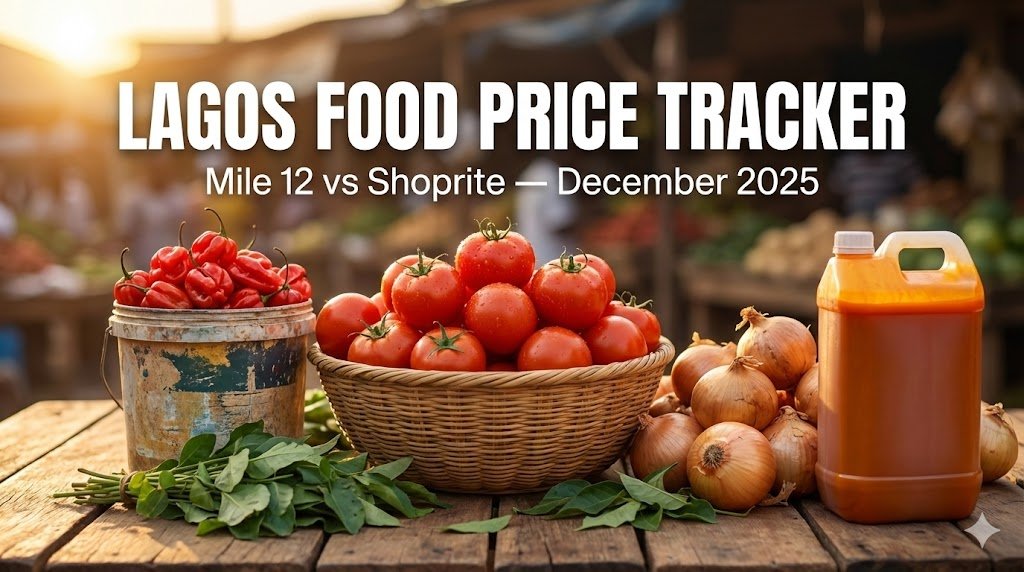
Your phone lights up. You tap the screen. Gbam! Salary has landed. But before you even finish the quick breath of relief, the heavy mental math begins. You’re scanning your bills, trying to figure out how far your Naira will stretch this month. Since food is the largest part of your monthly cost of living in Lagos, knowing exactly where to shop and how to dodge unnecessary premiums is the smartest move you can make for your wallet.
Every Lagos resident has faced the classic tug-of-war: Do I sacrifice my weekend morning to endure the mud and chaos of Mile 12, or do I chill in the cool air of a supermarket aisle? The Cost of Food Items in Mile 12 Market has always been the gold standard for families trying to keep their bank accounts healthy. But with transport fares fluctuating like a heartbeat, people are asking if the sweat and distance are still worth the gain.
I didn’t just pull these numbers from thin air. I dusted off my oldest pair of rubber boots and walked the soggy, busy aisles of Mile 12 this December to bring you the truth on the ground. Whether you are working hard to furnish a mini flat under ₦500k or simply trying to keep your kitchen pots full, you need real data. This guide maps out the raw prices, the reality of Food inflation Nigeria, and explains that tricky ₦60,000 price chasm between old and new onions that is catching many shoppers off guard this season.
Mile 12 Market Price List: What Food Items Cost Right Now (December 2025)
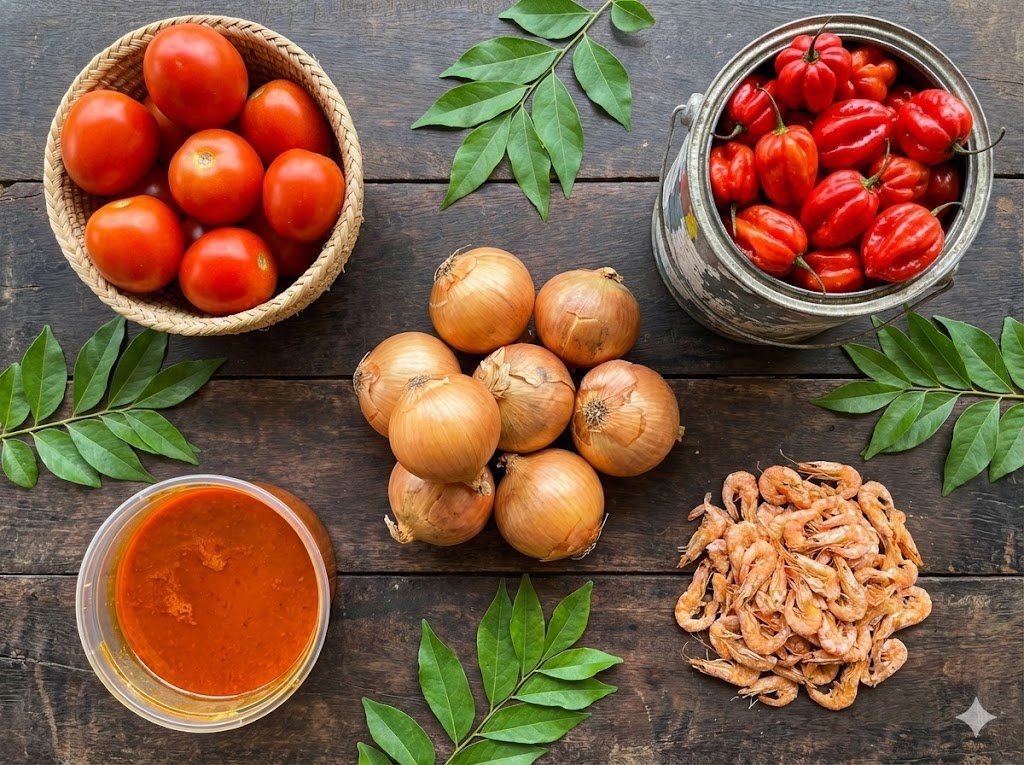
Let’s cut the fluff. Mile 12 is the engine room for fresh produce in Lagos. If you are buying for the long haul or looking to save big, this is the hub where the long-haul trucks from the Northern states discharge their goods every single morning.
Here is the reality of the market as of December 22, 2025. Remember that pricing for perishables, especially onions, is now tied to whether you are choosing “Old Stock” (the cured, long-lasting ones) or the “New Stock” (the wet, farm-fresh harvest that spoils fast).
| Food Item | Quantity / Unit | Price Range (₦) |
|---|---|---|
| Tomatoes (Jos – Grade A) | Big Basket (Raffia) | ₦35,000 – ₦55,000 |
| Tomatoes (Yoruba/Ghana) | Big Basket (Raffia) | ₦13,000 – ₦25,000 |
| Pepper (Rodo) | Paint Bucket | ₦6,000 – ₦6,500 |
| Pepper (Rodo) Sack | Big Sack | ₦43,000 – ₦47,000 |
| Green Pepper | Big Sack | ₦40,000 – ₦45,000 |
| Onions (Old Stock) | Full Bag | ₦130,000 – ₦150,000 |
| Onions (New Stock) | Full Bag | ₦80,000 – ₦85,000 |
| Onions (Huge Bag) | 100kg Bag | ₦120,000 |
| Onions | Small Portion | ₦5,000 – ₦11,000 |
| Bawa / Bell Pepper | Portion | ₦2,000 – ₦5,000 |
| Tatashi | Big Bag | ₦70,000 |
| Tatashi | Basket | ₦50,000 |
| Tatashi | Portion | ₦2,000 |
| Yam | Per Tuber | ₦11,000 |
| Carrots | Per Bag | ₦70,000 |
| Cucumber | Per Bag | ₦12,000 |
| Coconuts (Ghana) | Bag of 120 | ₦87,000 |
| Coconut | Per Piece | ₦700 – ₦1,000 |
| Plantain | Bunch | ₦1,000 |
| Rice (Foreign/Local) | Paint Bucket | ₦45,000 |
| Egusi (Handpeeled) | Paint Bucket | ₦25,000 |
| Palm Oil | 25 Litres Keg | ₦67,000 |
| Groundnut Oil | 25 Litres Keg | ₦85,000 |
| Vegetable Oil | 10 Litres Keg | ₦31,000 |
| Crayfish | Paint Bucket | ₦11,000 – ₦25,000 |
| Stockfish | Per Piece | ₦8,000 – ₦15,000 |
| Snails (Jumbo) | Basket | ₦50,000 – ₦75,000 |
| Ginger | Paint Bucket | ₦10,000 |
| Turmeric | Paint Bucket | ₦4,000 |
| Garlic | Per Kg | ₦3,000 |
| Dry Pepper | Paint Bucket | ₦20,000 – ₦22,000 |
| Cameroon Pepper | Paint Bucket | ₦10,000 |
| Uziza Leaf | Bunch | ₦5,000 – ₦8,000 |
| Waterleaf | Bunch | ₦5,000 – ₦5,500 |
Old Onions vs New Onions: Why the Price Difference Matters
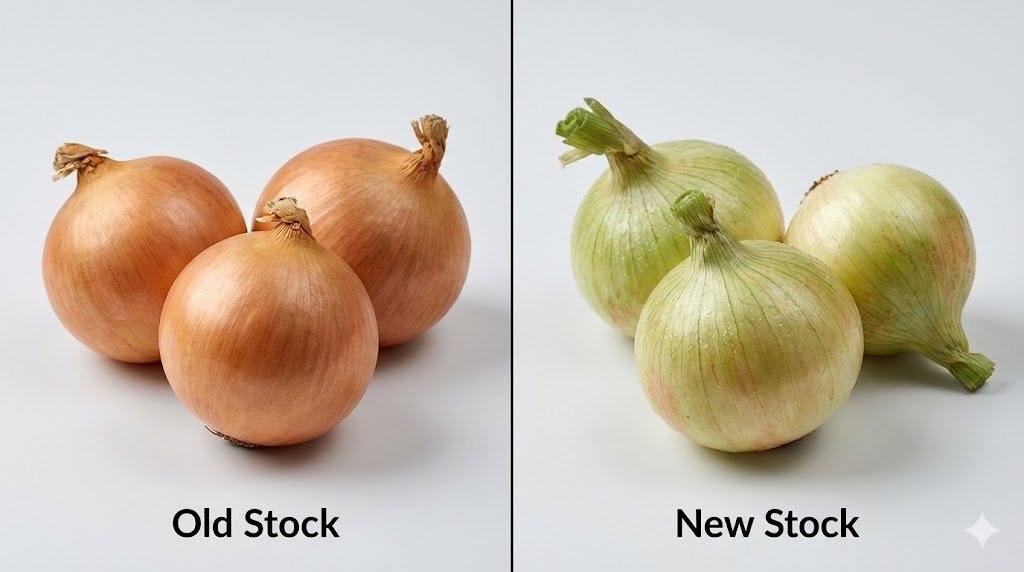
There is currently a ₦50,000+ difference between “Old” and “New” onions. Don’t let a fast-talking seller mix them in your bag without you checking first:
- Old Onions (₦130k – ₦150k): These are fully cured, have dry papery skins, and feel rock-hard to the touch.
- Best for: Investing in your pantry. If you know how to use proper kitchen organization for Nigerian cooking, especially when the air is dry during harmattan, you can buy a full bag and sleep easy knowing they won’t rot before you finish using them in February.
- New Onions (₦80k – ₦85k): These come straight from the harvest, meaning they have high moisture levels and often show green stems.
- Best for: Restaurants and large events. Warning: Unless you are cooking for a small army tomorrow, these will turn into mush in your kitchen cupboard within two weeks.
Field Note: While I was gathering these prices, I saw a shopper nearly buy a full bag of the “new” stuff thinking she’d found a massive bargain, until a market porter stepped in and whispered the truth. The trader just grinned at me and said, “Madam, na market we dey, shine your eye.” If you are splitting a bag with neighbors, make sure you all agree on what quality you are paying for.
Tomato Buying Tip: Jos vs. Ghana vs. Yoruba
Every tomato is not the same. When you notice those huge price swings between ₦13,000 and ₦55,000, it usually comes down to the variety and how much water they contain:
- Jos Tomatoes (₦35,000 – ₦55,000): These are the premium choice. They are firm, dense, and much better for storage. If you want to make a big pot of stew that doesn’t turn sour by day three, look for these.
- Ghana/Yoruba Tomatoes (₦13,000 – ₦25,000): These are often rounder and carry more water, which makes them very juicy and sweet. They are perfect for immediate, fresh cooking, but don’t count on them surviving a long ride home in a hot car.
Christmas 2025 Frozen Chicken Prices Across Lagos
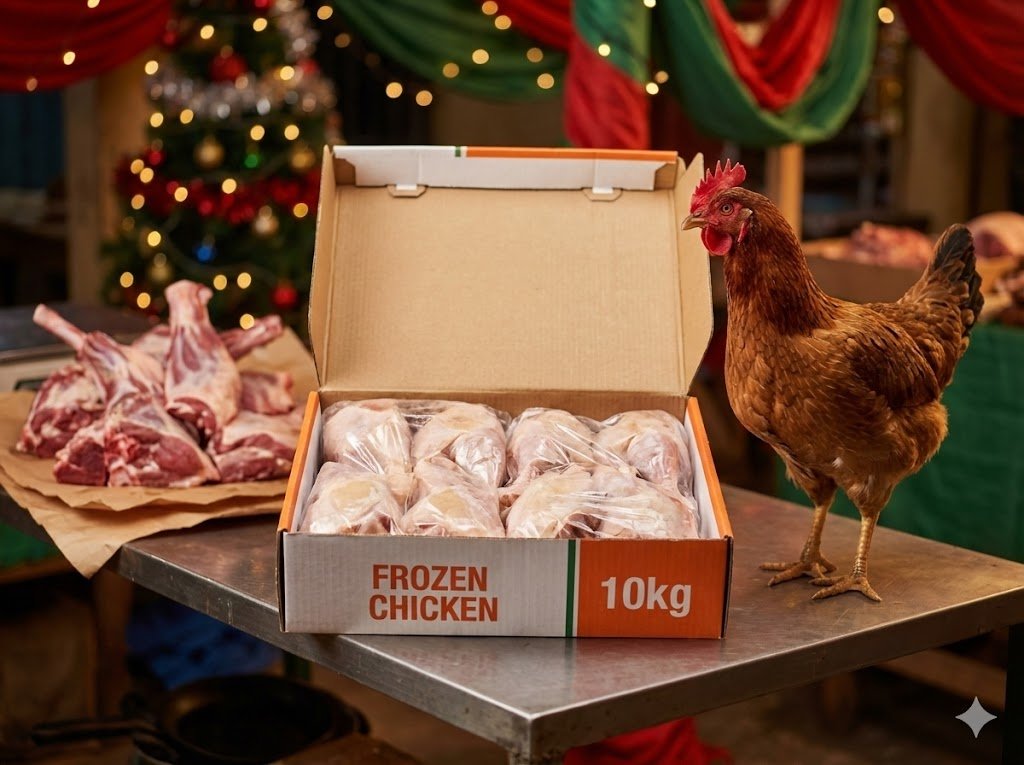
Since this is the peak of “Detty December,” the protein in your stew is likely the biggest line item in your spending plan. Is it worth the trip to Mile 12 or Kara Market, or should you just pick it up near your house in Lekki?
| Livestock Item | Mile 12 / Kara Market Price | Ajah / Lekki Price |
|---|---|---|
| Frozen Chicken (10kg) | ₦45,000 | ₦65,000 |
| Live Chicken | ₦25,000+ | Higher |
| Goat (Medium) | ₦90,000 – ₦130,000 | Similar |
| Medium Cow | ₦600,000 – ₦900,000 | Similar |
Verdict: If you are buying frozen chicken in 10kg cartons, go to the wholesale cold rooms or major distributors. You save an easy ₦20,000 per carton compared to buying it in a local grocery store on the Island. For live livestock like cows or goats, the price gap has shrunk a bit this year, so weigh the cost of transporting a live animal before you commit to the trek.
Year-Over-Year Analysis: Dec 2024 vs. Dec 2025
Is Food inflation Nigeria just hitting us harder, or is it actually shifting? I crunched the numbers from last December against this year’s data to show the true trend of what you’re paying.
| Food Item | December 2024 Price | December 2025 Price | % Change |
|---|---|---|---|
| Tomatoes (50kg basket) | ₦35,000 | ₦30,000 | ↓ 14% (Cheaper) |
| Atarodo (50kg bag) | ₦68,000 | ₦90,000 | ↑ 32% (Higher) |
| Bell Pepper/Tatashe (50kg) | ₦120,000 | ₦110,000 | ↓ 8% (Cheaper) |
| Bawa/Chili (50kg) | ₦110,000 | ₦80,000 | ↓ 27% (Cheaper) |
| Groundnut Oil (25L) | ₦65,000 | ₦85,000 | ↑ 31% (Higher) |
| Vegetable Oil (10L) | ₦36,800 | ₦31,000 | ↓ 15.8% (Cheaper) |
| Onions (100kg bag) | ₦70,000 | ₦120,000 | ↑ 71% (Higher) |
Key Takeaway: It is a mixed reality for your kitchen this season. While Groundnut oil has jumped in price, Vegetable oil has dropped by 15.8%, making it the smarter choice for your holiday frying. However, Onions are the clear “bad boy” of the market this year with a 71% spike, so be strategic about how you buy your bulbs while taking advantage of the lower prices on peppers like Bawa.
Why Food Prices Actually Dropped This December
You might be scratching your head wondering how prices can drop in this economy. I spoke with Mr. Femi Odusanya, the voice for the Mile 12 Model Market, and he clarified that these price dips are mostly due to improved logistics and stable routes rather than a sudden explosion in national food production.
This is a vital lesson in how much transport costs hit your pot. Last year, the fuel crunch was brutal, and truckers had to pay through the nose to get goods to Lagos. While diesel isn’t exactly cheap, the supply chain is moving with much less friction than the chaos of 2024. As one seasoned trader told me, “Madam, the diesel money to bring the produce from Zaria is still heavy, but it is way better than last year.” These tiny savings in logistics are finally trickling down to you at the shelf.
Cost of Food Items: Mile 12 Market vs. Shoprite Price Comparison
So, why do people still shop at the supermarket? You are essentially buying silence, cleanliness, and the lack of market sirens. We wanted to show you exactly how much that “peace of mind” costs in hard currency.
Disclaimer: Prices fluctuate by the week and by the specific branch (Ikeja vs. Lekki). These are verified snapshots from December 2025.
| Food Item | Mile 12 Market Price | Shoprite Price (Est.) | The Winner |
|---|---|---|---|
| Tomatoes (Basket Equiv.) | ₦13,000 – ₦55,000 | ₦60,000+ (calc. from ₦1,200/kg) | Mile 12 (by far) |
| Rice (50kg Bag) | ₦70,000 – ₦90,000 | ₦72,000 – ₦115,000 | Tie (Brands vary) |
| Frozen Chicken (1kg) | ₦4,500 (Sold in 10kg Carton) | ₦5,200 – ₦6,300 | Mile 12 |
| Veg. Oil (3 Litres) | ₦9,300 (Sold in 10L/25L kegs) | ₦6,400 (Power Oil) | Shoprite (Surprise!) |
| Convenience | Low (Mud, Noise, Traffic) | High (AC, Parking, Trolley) | Shoprite |
The Real Math: If you only need a handful of tomatoes for a Saturday morning breakfast, please just walk to the supermarket. But if you are planning to fill your freezer for the next month, the Cost of Food Items in Mile 12 Market is the only way to play the game.
Who should shop where?
- The Busy 9-5 Professional: If you’re stuck at your desk until 6 PM, Mile 12 is out of reach. Use a neighborhood store or shop at night markets. But, if you pick one Saturday to do a massive meal prep timetable for busy workers, a single trip to Mile 12 can save you a full week of stress.
- The Family of 5+: You don’t need to be buying pepper by the kilo in a store. It is time to get a large sack, get some help, and make the monthly trip to Mile 12 or a similar hub.
Which Food Items Are Cheapest in Nigerian Markets Right Now?
Based on our late-2025 survey, there are definitely some bright spots for your wallet, alongside the usual price headaches.
- The Good News (Pepper & Plantain): The market is finally breathing on pepper prices. A paint bucket of Rodo is now sitting at ₦6,000 for the smaller varieties. Plus, plantain has hit a sweet spot at ₦1,000 per bunch, a welcome relief after the recent highs.
- The Bad News (Tomatoes): Tomatoes are still holding firm at high prices. As the trader explained, diesel and logistics are still eating into the profit, and that cost lands right on your receipt at the end of the day.
What Food Items Sell Fast in Nigerian Markets?
If you have a bit of capital and want to try a student side hustle, buying fresh produce in bulk at Mile 12 and breaking it down into smaller retail portions for your neighbors is a proven, reliable business model. If you just want to track your own kitchen essentials, here are the items that never stay on the shelf for long:
- Rice: The king of the table. Regardless of the fluctuation, it remains the must-buy item.
- Palm Oil: Essential for any soup that actually tastes like home.
- Garri: The emergency food source that every student and worker keeps in the cupboard.
- Instant Noodles: The quick fix for kids and busy nights.
- Tomatoes & Pepper: The absolute foundation of the Nigerian kitchen.
How Much Does Food Cost for a Family of 5 in Lagos?
Suppose you have a strict ₦20,000 limit to get your soup base ready for the weekend. Here is what that buys you at the market today, keeping in mind that these prices for December 2025 are strictly for the “stew base.”
| Ingredient | Quantity | Estimated Cost |
|---|---|---|
| Fresh Tomatoes | 1/2 Basket or shared | ₦8,000 |
| Rodo (Scotch Bonnet) | 1 Portion | ₦2,000 |
| Bawa (Chili) | 1 Portion | ₦2,000 |
| Tatashi | 1 Portion | ₦2,000 |
| Onions | 1 Portion (New Stock) | ₦2,000 |
| Total Base Cost | Stew Base Only | ₦16,000 |
Note: This doesn’t account for protein like fish, meat, or oil. This is just the cost of preparing your pepper mix. Stay alert and plan every naira, especially those living on a budget like NYSC corps members looking to budget on their allowance. Pooling your cash with friends to buy in bulk at Mile 12 is honestly the only way to make your money stretch.
What Food Items Will Increase in Price in 2025?
Forecasting Nigerian prices is a bit like reading the tea leaves, or paying attention to FAO seasonal patterns, but we know the usual cycles:
- Tomatoes: As we hit the heart of the dry season in early 2026, fresh tomatoes will naturally become more scarce and pricey because they require heavy irrigation. Be prepared for a price hike.
- Imported Goods: Any product that relies on dollar imports, like canned goods or foreign-labeled staples, will dance to the rhythm of the FX rate.
- Transport-Heavy Items: If fuel costs shift, items like yams and onions coming all the way from the Northern belts will be the first ones to see their prices climb at the market gates.
First-Timer’s Guide: How to Shop at Mile 12 Market
So, you’ve finally decided to brave the market? Good luck. Turn your Mile 12 trip into one of your stress-free weekend activities by leaving before 7:00 AM, buying in bulk, and heading home before the sun gets too harsh. Here is your survival kit for 2026:
- Dress Code: Leave the white sneakers at home. Wear sturdy rubber slippers or waterproof boots. The mud at Mile 12 shows no mercy, and you do not want to ruin your best shoes.
- Cash is King (Usually): While mobile apps like OPay or PalmPay are becoming more common, network stability remains a headache inside the market. Madam, na market we dey, shine your eye. Always keep enough physical notes in a concealed pouch to avoid being stranded when the servers act up.
- Know Your Geography: Mile 12 is massive, sprawling right along the Kosofe LGA corridor. Vendors near the main gate charge a convenience premium. If you want the real wholesale prices, walk deeper into the interior. Always prioritize “Old” onions (cured and dry) over the fresh, watery ones if you are buying in bulk for storage.
- The “Alabaru” (Porter) Negotiation: Expect aggressive porters as soon as you step out of your vehicle. When I visited last week, a pusher demanded ₦2,000 to carry my bags. I offered ₦800, and we eventually agreed on ₦1,200 after I reminded him that I know the market rates. Always settle the price before they touch your load, or you will regret it.
- Stay Alert: Pickpockets love crowds. Keep your bag in front of your chest and stay aware of your surroundings. Avoid carrying huge sums of money in your back pocket.
Frequently Asked Questions About Lagos Food Prices
Q: How much is a bag of rice in Mile 12 market? A: As of early 2026, a 50kg bag of local, stone-free rice fluctuates around ₦90,000 to ₦110,000. To check if rice is truly stone-free, rub a handful between your palms and listen for the grit. If you hear nothing, you are good to go.
Q: Is Mile 12 cheaper than the supermarket? A: Definitely. For items like frozen chicken, you can save up to ₦20,000 per carton compared to retail outlets. For bulk vegetable oil or tubers, the savings are massive. However, if you are only buying one derica of beans, the transport cost to Mile 12 defeats the purpose.
Q: Which is the cheapest market for bulk dry food? A: Mile 12 is the undisputed king of fresh perishables like tomatoes and peppers. For dried goods, grains, and spices, you might find better variety at Otto market or Oyingbo.
Q: Why do prices change so often? A: Fuel and diesel costs remain the primary drivers of volatility. When pump prices jump, the cost of moving goods from the North to Lagos climbs, and that bill lands directly on your head.
Disclaimer: These prices reflect 2026 market trends. Market figures shift daily based on seasonal supply, logistics costs, and fuel availability. Always double-check current rates before you leave home.

Oladepo Babatunde (Prince Babatee Tunde) is a Computer Scientist, researcher, and professional content writer with a Higher National Diploma in Computer Science from Kwara State Polytechnic, Nigeria.
With a background in technology and a passion for clear communication, Babatunde specializes in creating thoroughly researched, reader-focused content on productivity, personal development, home living, and technology. Every article he writes is backed by extensive research and fact-checking to ensure readers receive accurate, actionable information.
As a freelance writer, he has helped brands and publications deliver content that educates, engages, and empowers their audiences. His mission at Vibena is simple: make complex topics easy to understand and help Nigerians live smarter, more productive lives.