Last updated on December 11, 2025
Considering the iPhone 8 for a purchase in 2025? This is a common question for shoppers seeking capable smartphones at a lower price point. Originally released in 2017, the iPhone 8 featured a design familiar to users, coupled with notable internal enhancements.
This article examines whether the iPhone 8 remains a worthwhile purchase in 2025. We will assess its performance, features, and expected software support to help you determine if this classic Apple device meets your current needs. For those comparing it with other older models, you may find our review of the Samsung Note 9 in 2025 informative.
Although the iPhone 8 was a strong performer upon its release, it is essential to acknowledge its age. This implies that its software support may be nearing its end, and newer iPhone models offer significantly more advanced capabilities. We will look at these aspects to provide a comprehensive overview.
Key Takeaways
- The iPhone 8 features a compact design and a vibrant Retina HD display, making it comfortable to handle and use.
- Its A11 Bionic chip, while several generations old, still performs well for daily tasks such as browsing, social media, and casual gaming.
- The camera is suitable for everyday photos, and the iPhone 8 Plus included Portrait Mode for more artistic effects.
- Convenient features like wireless charging and fast charging are supported, enhancing its usability.
- However, software updates are becoming less frequent, and future iOS support is uncertain, which may impact app compatibility.
- Newer iPhone models provide more advanced cameras, faster processors, and extended software support.
- Be aware that battery health on used iPhone 8 models may be diminished and might require replacement.
- Limited future iOS updates could mean that some newer applications may not function correctly in the coming years.
- If you are upgrading from an older device, consider options like the iPhone 11 Pro Max for more contemporary features and longer support.
iPhone 8: Design and Display
iPhone 8: Design and Display
Considering the iPhone 8 for 2025? Let’s examine its physical design and screen quality to see how it holds up.
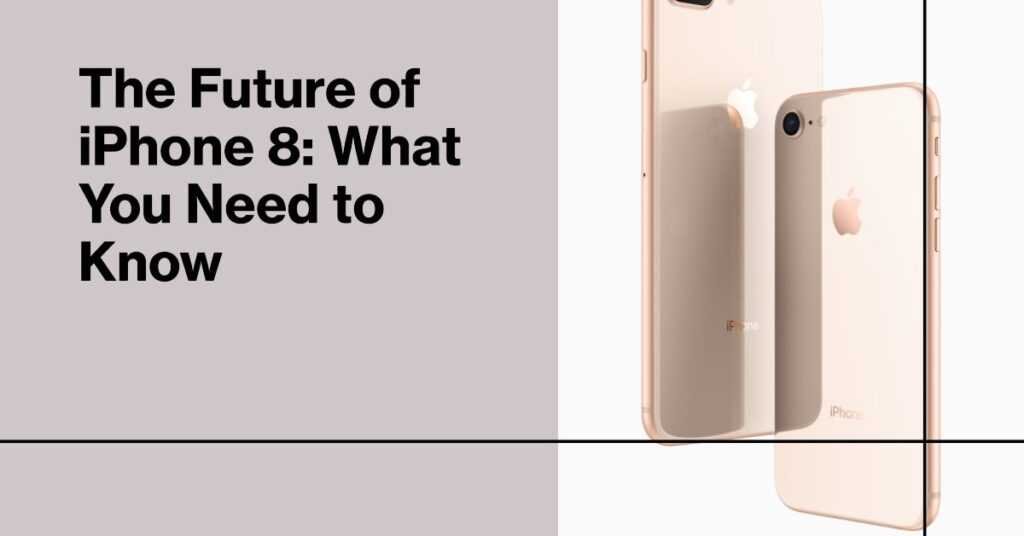
The iPhone 8 features a classic design with a glass back and an aluminum frame. This combination not only looks good but also enables convenient wireless charging, a significant advancement at its release. You can simply place it on a charging pad without fumbling with cables.
It sports a 4.7-inch Retina HD display with True Tone technology. This technology adjusts color temperature to match ambient light, reducing eye strain and providing more natural colors. The display offers vivid colors and sharp resolution, making photos and videos appear great.
For those who prefer a larger screen, the iPhone 8 Plus offers a 5.5-inch display with the same quality.
Key Design and Display Features
| Feature | Description |
|---|---|
| Frame Material | Aluminum |
| Back Material | Glass (supports wireless charging) |
| Display Size (iPhone 8) | 4.7-inch Retina HD |
| Display Size (iPhone 8 Plus) | 5.5-inch Retina HD |
| Display Technology | True Tone |
While the glass back is sleek, it can be prone to breakage if dropped. Using a protective case is highly recommended to safeguard your investment and maintain its appearance. This simple step can help prevent costly repairs.
Considering older phones? You might also be interested in checking out the Galaxy Note 9 Price in December 2025: Is It Still Worth Buying?
Performance: The A11 Bionic Chip’s Staying Power
When the iPhone 8 was released, its A11 Bionic chip was a powerhouse. In 2025, how does it perform for your daily needs?
The iPhone 8 is equipped with the A11 Bionic chip, which was considered cutting-edge at its launch. This processor still handles everyday tasks quite well, making it suitable for common activities like browsing the web, scrolling through social media, and sending emails. You can expect smooth multitasking and the ability to run most current apps without significant issues.
For example, opening your email, checking Facebook, and playing a casual game like Candy Crush should feel responsive. However, when you push the phone with graphically intensive games or very demanding applications, you’ll likely notice a performance difference compared to newer models. The chip’s capabilities are still solid for basic use, but it might struggle with the latest, most resource-hungry software.
A11 Bionic Chip Performance in 2025
| Task Type | Expected Performance |
|---|---|
| Everyday Tasks (Browsing, Social Media, Email) | Smooth and Responsive |
| Light Gaming | Generally Good |
| Demanding Apps & Heavy Gaming | Noticeably Slower than Newer Models |
| Multitasking | Handles Multiple Apps Well |
As time goes on, the relative performance of the A11 Bionic chip might become more of a bottleneck as software becomes more advanced. To get the best out of your iPhone 8, it’s always a good idea to ensure your iOS is updated to the latest compatible version. This helps optimize performance and security.
If you’re looking for budget-friendly options, you might also want to see if the Samsung A12 Price & Availability in 2025: Is This Budget Phone Still Worth Buying?
Camera Capabilities: Capturing Moments Then and Now
When the iPhone 8 was released, its camera was a significant feature. In 2025, we assess if it still holds up for taking good photos and videos. While it won’t compete with the latest flagship phones, it can still capture pleasant memories.
The iPhone 8 features a single 12-megapixel rear camera. This camera includes optical image stabilization, which helps reduce blur from hand shake, resulting in sharper pictures. In good lighting conditions, the photos it captures are often vibrant and appealing.
For those who owned the iPhone 8 Plus, the camera experience was more advanced. It had a dual-lens system, enabling the popular Portrait Mode for artistic shots with a blurred background. It also provided a 2x optical zoom, allowing users to get closer to their subject without sacrificing image quality.
Both models support features like HDR (High Dynamic Range) for improved detail in bright and dark areas of a photo. They also include Live Photos, which capture a few seconds of motion before and after a picture is taken. For instance, a photo of a pet playing might capture a brief jump or tail wag.
However, it’s important to have realistic expectations. Compared to newer iPhones, the iPhone 8’s low-light performance and its ability to handle scenes with both very bright and very dark areas (dynamic range) are noticeably weaker. Additionally, it lacks the advanced computational photography features, such as enhanced night modes or super-resolution processing, that are standard on current models.
Battery Life and Charging
When considering an older smartphone like the iPhone 8, battery performance is a key concern. Will it still last through a typical day in 2025, and how convenient is charging it? Here’s what to expect.
For moderate usage, such as browsing the web, checking emails, and using social media, the iPhone 8 generally offers decent all-day battery life. However, heavy users or those who play games will likely need to recharge sooner.
The iPhone 8 supports fast charging, allowing you to regain a significant amount of battery life quickly. With the right charger, you can reach approximately 50% charge in about 30 minutes.
Wireless charging is another convenient feature. Place the iPhone 8 on a compatible charging pad, and it charges without a cable. This is ideal for overnight charging or keeping it powered up at your desk.
Battery health in used devices can vary significantly. As batteries age, they naturally degrade and hold less charge. When purchasing a used iPhone 8, checking its battery health percentage in the settings is highly recommended.
To utilize fast charging, you will need a compatible USB-C to Lightning cable and a power adapter that supports fast charging. These accessories are often sold separately and may not be included with a used iPhone 8.
Software and Updates
When considering if the iPhone 8 is worth buying in 2025, its software support is a major factor. Apple is known for providing updates for its devices for many years, and the iPhone 8 has historically received consistent support.
The iPhone 8 is currently compatible with recent versions of iOS, allowing users to access many of the latest features and security enhancements. Apple typically supports its iPhones with software updates for about five to six years after their release, which contributes to a device’s overall lifespan.
This ongoing support ensures access to the full Apple App Store, enabling the download and use of a wide variety of applications. However, it’s important to be aware that future major iOS updates may eventually be discontinued for the iPhone 8.
As Apple focuses on newer hardware, the iPhone 8 might not receive the very latest operating system versions. Users should check the latest iOS version compatible with the iPhone 8 to ensure they are up-to-date. As support diminishes, security patches could become less frequent, and newer applications might not be optimized for or compatible with older iOS versions.
For instance, while apps like Instagram and WhatsApp will likely still function on the iPhone 8 in 2025, a brand-new app released in late 2025 that requires iOS 18 might not be available if the iPhone 8 remains on iOS 17.
| Aspect | Status for iPhone 8 (2025) |
|---|---|
| Current iOS Compatibility | Good, supports recent versions |
| Future Major Updates | May eventually cease |
| App Store Access | Full access |
| Security Patches | Likely to continue, but may become less frequent |
Keeping your iPhone 8 updated is crucial for maintaining its security and functionality for as long as possible.
Connectivity and Unique Features
Beyond its software, the iPhone 8 offers several connectivity options and distinctive features that might still appeal to users in 2025. It supports standard Wi-Fi and Bluetooth connectivity, allowing you to connect to wireless networks and accessories like headphones or speakers.
One of the standout features of the iPhone 8 is its support for wireless charging. This allows you to simply place the phone on a compatible charging pad without needing to plug in a cable, offering a convenient way to power up, especially overnight or at your desk. This feature was quite advanced for its time and remains a practical convenience.
The iPhone 8 also boasts the A11 Bionic chip, which was powerful for its generation and enables support for Augmented Reality (AR) applications. This means you can still explore AR experiences, such as interactive games or educational apps that overlay digital information onto the real world through the camera.
For security and ease of use, the iPhone 8 includes Touch ID, Apple’s fingerprint sensor, for biometric authentication. This allows you to unlock your phone, authorize purchases, and sign into apps quickly and securely.
However, it’s important to note that the iPhone 8 does not support 5G connectivity, meaning you’ll be limited to 4G LTE speeds for cellular data. Additionally, while the A11 Bionic chip supports AR, its performance may be limited compared to newer devices with more advanced processors and sensors, so don’t expect cutting-edge AR experiences.
| Feature | Availability on iPhone 8 |
|---|---|
| Wi-Fi | Yes |
| Bluetooth | Yes |
| Wireless Charging | Yes |
| Augmented Reality (AR) Support | Yes (via A11 Bionic chip) |
| Touch ID | Yes |
| 5G Connectivity | No |
These features, especially wireless charging and Touch ID, can still make the iPhone 8 a functional and convenient device for everyday tasks in 2025.
Storage Options: How Much Do You Need?
When considering if the iPhone 8 is worth buying in 2025, storage is a key factor. The iPhone 8 originally came in two storage sizes: 64GB and 256GB. Deciding which is right for you depends on how you plan to use your phone.
For many users, 64GB might feel a bit tight, especially if you take a lot of photos and videos, download many apps, or store music locally. If you find yourself constantly deleting files to make space, you’ll likely regret not choosing the larger option. Thankfully, Apple’s iCloud service offers a way to offload some of this burden by storing your photos, videos, and documents in the cloud.
The 256GB model provides significantly more breathing room and is generally ample for most users, even those who are a bit more heavy-handed with their media. It allows you to keep more apps, photos, and videos directly on your device without constant worry. Remember, unlike some Android phones, the iPhone 8’s storage cannot be expanded with a microSD card, so your initial choice is permanent.
| Storage Option | Consider If: | Potential Downsides |
|---|---|---|
| 64GB | You primarily use cloud storage (like iCloud), stream most media, and don’t download many large apps or games. | Can fill up quickly with photos, videos, and apps; may require frequent storage management. |
| 256GB | You want to store a large number of photos and videos, download many apps and games, and prefer having ample local storage. | Higher initial cost compared to the 64GB model. |
If you’re leaning towards the 64GB model but are concerned about space, make sure you’re comfortable using iCloud or other cloud services regularly. For example, if you shoot a lot of 4K video, which takes up considerable space, the 256GB option is almost certainly the way to go to avoid constant management headaches.
iPhone 8 vs. iPhone 8 Plus: Key Differences
When evaluating if the iPhone 8 is worth buying in 2025, it’s also helpful to consider its larger sibling, the iPhone 8 Plus. While they share many core features, there are distinct differences that might sway your decision.
The most obvious difference is screen size: the iPhone 8 sports a compact 4.7-inch display, making it easy to use one-handed. In contrast, the iPhone 8 Plus boasts a larger 5.5-inch screen, which is better suited for watching videos, gaming, or reading. This size difference also impacts the phone’s overall dimensions and weight, with the Plus model being noticeably bigger and heavier.
Another significant distinction lies in the camera system. The iPhone 8 Plus features a dual-lens rear camera setup. This allows for advanced features like Portrait Mode, which beautifully blurs the background of your photos, and 2x optical zoom, letting you get closer to your subject without losing image quality.
The standard iPhone 8 has a single rear lens, which still takes great photos but lacks these specific capabilities.
| Feature | iPhone 8 | iPhone 8 Plus |
|---|---|---|
| Display Size | 4.7-inch | 5.5-inch |
| Rear Camera | Single Lens | Dual Lens (Portrait Mode, 2x Optical Zoom) |
| Size & Weight | Smaller, Lighter | Larger, Heavier |
| Battery Life | Good | Generally Slightly Better |
| Processor | A11 Bionic | A11 Bionic |
Both phones are powered by the same A11 Bionic chip, meaning their general performance for everyday tasks and even some demanding apps will be very similar. Battery life is also generally a bit better on the iPhone 8 Plus, likely due to its larger physical size accommodating a bigger battery. Ultimately, the choice between the two comes down to your personal preference for screen size and whether the advanced camera features of the Plus model are important to you.
Is the iPhone 8 Worth Buying in Nigeria in 2025?
If you’re looking to enter the Apple ecosystem without breaking the bank, the iPhone 8 might be on your radar. In Nigeria, the used market offers this device at prices significantly lower than brand-new models. This makes it an attractive option for budget-conscious buyers seeking a reliable smartphone experience.
When considering a purchase, especially in cities like Lagos, it’s important to look at the overall value proposition. The iPhone 8 provides a more affordable entry point into iOS, allowing access to the App Store and Apple’s services. However, potential buyers should be aware of a few key considerations specific to the Nigerian market.
One of the most important checks is network compatibility. You’ll need to verify that the iPhone 8 you’re looking at works seamlessly with local carriers like MTN, Glo, Airtel, or 9mobile. Additionally, the availability of reliable repair services for older models like the iPhone 8 is a practical concern; ensure there are local technicians who can handle potential issues.
Key Considerations for Buying Used in Nigeria
- Price: Used iPhone 8 models are considerably cheaper than new iPhones, offering great value.
- Network: Always confirm that the phone is unlocked and compatible with Nigerian mobile networks.
- Repairs: Check for local repair shops experienced with older iPhone models.
Purchasing used electronics always comes with some risks. It’s essential to inspect devices thoroughly for any physical damage, paying close attention to the battery health. A phone with a degraded battery might need replacement sooner, adding to the overall cost.
Be cautious of devices that might be locked to foreign carriers, as these may not work in Nigeria. If you’re importing a device, be aware of potential customs duties that could increase the final price. For example, if you find an iPhone 8 listed online for ₦50,000, but it has a damaged screen and a battery health of only 70%, it might not be the bargain it initially appears.
iPhone 8 vs. iPhone 8 Plus: A Quick Comparison
While both phones share the same powerful A11 Bionic chip, there are differences to consider:
| Feature | iPhone 8 | iPhone 8 Plus |
|---|---|---|
| Display Size | 4.7-inch | 5.5-inch |
| Rear Camera | Single Lens | Dual Lens (Portrait Mode, 2x Optical Zoom) |
| Size & Weight | Smaller, Lighter | Larger, Heavier |
| Battery Life | Good | Generally Slightly Better |
| Processor | A11 Bionic | A11 Bionic |
Both phones are powered by the same A11 Bionic chip, meaning their general performance for everyday tasks and even some demanding apps will be very similar. Battery life is also generally a bit better on the iPhone 8 Plus, likely due to its larger physical size accommodating a bigger battery. Ultimately, the choice between the two comes down to your personal preference for screen size and whether the advanced camera features of the Plus model are important to you.
In summary, the iPhone 8 can still be a worthwhile purchase in Nigeria in 2025 if you approach it wisely. Prioritize checking battery health, network compatibility, and the seller’s reputation to ensure you get a good deal.
Common Mistakes to Avoid When Buying an iPhone 8
Thinking about buying an iPhone 8 in 2025? It’s a smart move for affordability, but you need to be careful to avoid common pitfalls. Making a mistake can turn a potential bargain into a costly disappointment.
Let’s look at the key things to watch out for.
One of the most frequent errors is not checking the battery health. Batteries degrade over time, and a used iPhone 8 with low battery health will not last long on a single charge. This can be incredibly frustrating for daily use and might mean you need to pay for a battery replacement sooner rather than later.
Another critical mistake is failing to verify if the phone is iCloud locked. If a previous owner didn’t properly remove their Apple ID, the phone can become unusable, essentially a brick. Always ensure the device is factory reset and that you can set it up with your own Apple ID without any activation lock issues.
Essential Checks Before You Buy
To avoid buyer’s remorse, always perform these checks:
- Battery Health: Go to Settings > Battery > Battery Health to see the maximum capacity percentage. Aim for 80% or higher.
- iCloud Lock: Ensure the phone is signed out of all Apple IDs and that Activation Lock is off.
- Cosmetic and Functional Defects: Inspect the screen for scratches, check all buttons, cameras, speakers, and the charging port.
- Network Compatibility: Confirm the phone is unlocked and will work with your local SIM card provider.
Ignoring cosmetic damage might seem like a way to save money, but deep scratches or dents can affect the phone’s durability and your enjoyment of it. Similarly, overlooking functional defects, like a faulty speaker or a cracked camera lens, means you’re buying a damaged product.
For instance, imagine you find an iPhone 8 listed for a great price, but the seller doesn’t show clear photos of the screen. Upon receiving it, you discover a spiderweb of cracks beneath the surface that weren’t visible in the blurry pictures. This is a classic example of why thorough inspection is vital.
Always be wary of prices that seem too good to be true; they often are. It’s best to purchase from reputable sellers or established online marketplaces that offer buyer protection. Requesting clear photos and videos of the device in operation can also give you a better sense of its condition before you commit to a purchase.
Frequently Asked Questions (FAQs)
Thinking about picking up an iPhone 8 in 2025? You’ve got questions, and we’ve got answers to help you decide if it’s still a good fit for you.
Many people wonder if older iPhones can still handle today’s apps. The good news is that the iPhone 8 can still run most current apps and games available on the App Store. You’ll likely find that your favorite social media apps, streaming services, and many popular games will work just fine.
While major new iOS features might not be coming to the iPhone 8, Apple does continue to provide important security updates. This helps keep your device protected against the latest online threats. However, it’s important to remember that future app compatibility isn’t guaranteed, as developers often focus on newer hardware and software capabilities.
If you’re interested in wireless charging, the iPhone 8 supports it, but you’ll need a Qi-compatible charger. Just place the phone on the charging pad, and it should start powering up. It’s a convenient feature that was ahead of its time when the phone was released.
One significant limitation to be aware of is that the iPhone 8 does not support 5G networks. This means you won’t be able to take advantage of the faster speeds offered by 5G if it’s available in your area. For everyday browsing and most tasks, 4G LTE is still perfectly adequate, but it’s a point to consider for future-proofing.
When it comes to the camera, the iPhone 8’s camera is capable for casual photography. You can capture decent photos and videos for sharing with friends and family. However, it definitely lags behind the advanced camera systems found in newer smartphones, especially in low-light conditions or when it comes to features like advanced zoom or computational photography.
Battery life is another factor that heavily depends on the specific device. Since the iPhone 8 is an older model, its battery health will vary greatly depending on its age and how it has been used. A phone that has been heavily used or has gone through many charge cycles might struggle to last a full day.
Key Considerations for the iPhone 8 in 2025
| Feature | Status in 2025 |
|---|---|
| App Compatibility | Good for most current apps |
| Software Updates | Receives security updates; major features may have stopped |
| Network Support | 4G LTE only (no 5G) |
| Camera Quality | Adequate for casual use, but dated |
| Wireless Charging | Yes (Qi-compatible) |
For example, if you primarily use your phone for calls, texts, browsing the web, and light social media, the iPhone 8 should serve you well. However, if you’re a mobile gamer who needs top performance or a photography enthusiast, you might find its capabilities limiting.
Conclusion: The iPhone 8 in 2025 – A Smart Buy or a Relic?
So, is the iPhone 8 still worth buying in 2025? The answer, as with many tech questions, is: it depends.
The iPhone 8 remains a viable option for a specific group of users. If your main priorities are affordability and a compact, easy-to-handle phone, it could still be a good choice. Its performance is perfectly adequate for basic smartphone tasks like making calls, sending messages, browsing the internet, and using everyday apps.
Ultimately, the decision hinges on your individual needs, your budget, and how much you’re willing to accept older technology. For many, the appeal of a lower price point might outweigh the lack of the very latest features. It’s about finding a device that meets your essential requirements without breaking the bank.
However, if you’re someone who craves the newest features, demands advanced camera capabilities for stunning photos, or needs the assurance of long-term software support for years to come, then newer iPhone models are definitely recommended. These devices offer significant upgrades in performance, camera technology, and future-proofing.
Making Your Decision
Before you commit to buying an iPhone 8 in 2025, take a moment to thoroughly assess your needs. Think about how you use your current phone and what you absolutely need in a new one. Do you need the fastest processor for demanding games, or is reliable performance for everyday tasks enough?
Also, consider the total cost of ownership. While the initial purchase price of an iPhone 8 might be low, you should factor in potential future expenses. This could include the cost of a battery replacement, as older batteries degrade over time, or any necessary repairs if you buy a used device.
For instance, imagine you find an iPhone 8 listed for a great price, but the seller doesn’t show clear photos of the screen. Upon receiving it, you discover a spiderweb of cracks beneath the surface that weren’t visible in the blurry pictures. This is a classic example of why thorough inspection is vital, especially when buying used.
Always be wary of prices that seem too good to be true; they often are. It’s best to purchase from reputable sellers or established online marketplaces that offer buyer protection. Requesting clear photos and videos of the device in operation can also give you a better sense of its condition before you commit to a purchase.
In summary, the iPhone 8 can still be a sensible purchase for budget-conscious users who need a functional smartphone for basic tasks. But for those seeking cutting-edge technology and the latest features, looking at newer models is the way to go.