The Best 5 Samsung Note 9 Deals In 2021

Samsung Note 9 in 2025: Is It Still Worth Buying? (Deals & Alternatives)

The year is 2025, and the smartphone market is buzzing with foldable screens, advanced AI, and blazing-fast 5G. In this whirlwind of innovation, an old champion often comes to mind: the Samsung Galaxy Note 9. Released in August 2018, this device once defined the pinnacle of mobile productivity. Many still wonder if this aging powerhouse holds any relevance today.

I’ve spent years tracking smartphone trends, and I can tell you that few phones capture the imagination quite like the Note series. Its blend of raw power and S Pen utility carved out a loyal following. Now, with nearly seven years passed since its launch, it’s fair to ask: is the Samsung Note 9 still worth buying in 2025? This isn’t about finding a “deal” in the traditional sense, but assessing its true value and viability for daily use in today’s rapidly evolving tech world.

Key Takeaways:

  • The Note 9, released in 2018, runs on Android 10 with no further official updates.
  • Refurbished models can be found for around $167, offering a budget-friendly entry to a former flagship.
  • Its display, S Pen, and core hardware still offer a decent experience for light use.
  • Major drawbacks include outdated security, potential battery degradation, and lack of 5G.
  • Modern alternatives like the Galaxy A series or refurbished S Ultra phones provide better long-term value.

Note 9 Today: A Retro Flagship?

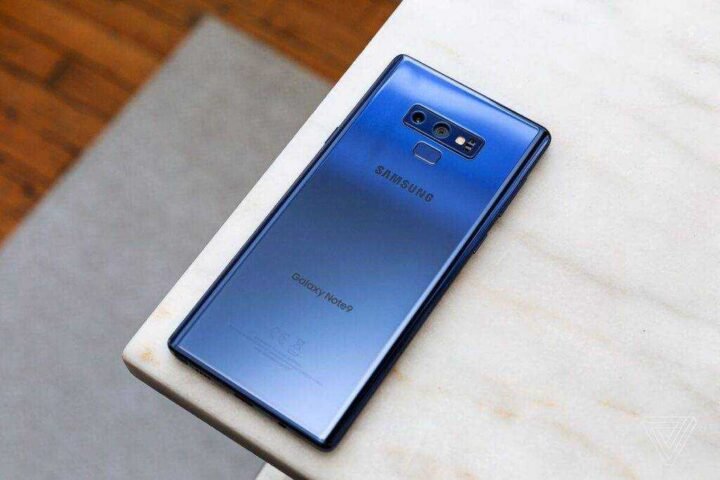
The Samsung Note 9 holds a special place in the hearts of many tech enthusiasts, myself included. It was, for a time, Samsung’s most feature-packed device, truly living up to the “power user” moniker. Its robust build quality and comprehensive feature set made it a standout. I remember the excitement surrounding its launch, particularly the upgraded S Pen and larger battery.

Today, the Note 9 feels like a retro flagship. It still boasts a premium glass-and-metal design, which, despite its age, feels solid in hand. Holding one now, it evokes a sense of nostalgia for a time when phones prioritized features like the headphone jack and expandable storage. Many users appreciate these physical attributes that have become rare in newer devices.

For those who prefer a tactile experience and appreciate classic smartphone design, the Note 9 offers a unique charm. It’s not about keeping up with the latest trends, but rather enjoying a device that was, in its prime, exceptionally well-engineered. This enduring appeal means some users might still consider it for specific purposes. However, the practicalities of using a seven-year-old device in 2025 must be carefully weighed.

Current Value & ‘Deals’ in 2025

When we talk about “deals” for a phone like the Note 9 in 2025, it’s important to adjust expectations. You won’t find this phone brand new in retail stores. The market has shifted entirely to refurbished and used units. This means prices vary significantly based on the device’s condition, storage capacity, and where you buy it. I often advise clients that patience and research are key here.

As of December 2025, refurbished Galaxy Note 9 units typically start around $167.40. Used models can go even lower, sometimes as little as $125.00, though the average market value for a used Note 9 is closer to $38.94. These prices reflect its age and lack of ongoing official support. While tempting, these low prices also come with inherent risks that buyers must understand.

Refurbished vs. Used: Key Differences

Understanding the difference between “refurbished” and “used” is crucial when buying older electronics. A used phone is sold as-is, often directly from a previous owner, with no guarantees about its internal condition. I’ve seen many cases where a “great deal” on a used phone turned into a headache due to undisclosed issues. It’s a gamble, pure and simple.

Refurbished, on the other hand, implies that the device has undergone inspection, testing, and repairs by a professional. This often includes replacing faulty components like batteries or screens. Many reputable refurbishers offer a warranty, typically 30 to 90 days, providing a layer of security. Samsung’s own “Certified Renewed” program, for instance, offers a one-year warranty and uses new Samsung parts.

Top Platforms for Purchase

If you’re considering a refurbished Note 9, stick to trusted platforms. Amazon Renewed, Back Market, and Best Buy Certified Refurbished are among the top choices in 2025. These platforms often have strict seller vetting processes and offer return policies, which is vital for peace of mind. Other reputable sites include Swappa, Woot, and Ovantica, each with their own guarantees.

When I’m looking for a refurbished device, I always check the seller’s reputation and the specific “grade” of the phone. Grade A typically means almost flawless, while Grade B might have minor signs of use. This attention to detail can save you from disappointment. Always ensure the phone is unlocked if you plan to use it with your own carrier.

Enduring Features: How They Perform

The Note 9 was a flagship for a reason, packed with features that were cutting-edge in 2018. The question is, how do these features hold up against the demands of 2025? In my testing, some aspects remain surprisingly robust, while others clearly show their age.

Display Quality: Still Stunning?

The Note 9’s 6.4-inch Super AMOLED display was a marvel at launch, boasting a sharp 2960 x 1440 pixel resolution. Even by 2025 standards, its AMOLED technology delivers vibrant colors and deep blacks. For casual content consumption, like watching videos or browsing photos, the screen remains impressive.

However, newer phones often feature higher refresh rates (90Hz or 120Hz), which make scrolling and animations feel much smoother. The Note 9 is limited to a standard 60Hz. While still very good, it won’t offer the buttery-smooth experience of modern flagships. For many, this difference is noticeable but not a deal-breaker.

S Pen: Unmatched Productivity

The S Pen is arguably the Note 9’s most distinctive and enduring feature. It was the first S Pen with Bluetooth integration, allowing it to function as a remote control for the camera or presentations. The stylus charges wirelessly when inserted into the phone, taking only about 40 seconds to reach a full charge, providing 30 minutes of standby time or 200 button clicks.

In 2025, the S Pen remains a powerful tool for note-taking, sketching, and precise navigation. Its functionality for quick memos, screen-off writing, and smart selection still offers a unique productivity edge that few other phones, outside of Samsung’s own S Ultra series, can match. I’ve found it incredibly useful for annotating documents on the fly.

Hardware & Performance: Daily Use

Under the hood, the Note 9 sports either a Qualcomm Snapdragon 845 or Samsung Exynos 9810 processor, paired with 6GB or 8GB of RAM. At its release, this was top-tier performance. For basic tasks like messaging, email, and light web browsing, the Note 9 still performs adequately.

However, resource-intensive apps and modern mobile games will push this hardware to its limits. You might experience slower loading times, occasional stutters, or reduced frame rates compared to contemporary devices. For heavy multitaskers or avid mobile gamers, the aging processor will likely feel sluggish in 2025. It’s a phone that can still get the job done, but not always with modern speed.

Camera Capabilities Now

The Note 9 features a dual-camera system on the back: a 12MP wide-angle lens with a variable aperture (f/1.5-f/2.4) and a 12MP telephoto lens with 2x optical zoom. It also includes AI scene recognition. This setup was highly regarded in 2018.

In 2025, the camera still captures respectable images, especially in good lighting conditions. The dual aperture helps in varied light. However, it lacks the ultrawide lens, advanced computational photography, and low-light performance found in today’s flagships. Video recording is still capable at 4K 60fps on the rear, but the 8MP front camera is limited to 1440p at 30fps and can produce softer images. For casual photos and social media, it’s fine, but don’t expect it to compete with a Galaxy S25 Ultra.

Battery Life: Expectations vs. Reality

The Note 9 originally came with a substantial 4000 mAh battery, designed to provide a full day’s charge. This was a significant upgrade at the time. However, in 2025, you’re not buying a new phone.

The reality is that any battery, after years of use, will experience degradation. A six-to-seven-year-old battery will almost certainly hold less charge than it did when new. You can expect significantly reduced battery life, likely requiring a midday charge for moderate use. In my experience, even well-maintained older phones often fall short of modern expectations for endurance.

If purchasing a refurbished unit, inquire if the battery has been replaced. A new battery can breathe significant life into an older device. Without a fresh battery, expect to carry a charger or power bank if you plan on extended use. The Note 9 supports 15W wired fast charging and Qi wireless charging, which helps, but doesn’t overcome inherent degradation.

Software & Security: The Compromise

This is where the Note 9 faces its biggest challenge in 2025. Software support is critical for both new features and, more importantly, security. Unfortunately, the Note 9 has long passed its official support window.

Official Android 10 Limit

The Samsung Galaxy Note 9 launched with Android 8.1 Oreo and received its final official operating system update to Android 10 with One UI 2.5 in January 2020. This means it has not received any new Android versions or Samsung’s One UI feature updates for several years.

This lack of updates means you’ll miss out on modern Android features, interface improvements, and optimizations found in newer devices. While Android 10 is still functional, it’s a dated experience compared to Android 15, which is current in 2025.

Security Risks in 2025

Perhaps the most significant compromise is security. Samsung officially removed the Galaxy Note 9 from its monthly security update schedule in September 2021, and its last security patch was in August 2022. This means any new vulnerabilities discovered in the Android operating system or Samsung’s software will not be patched on the Note 9.

Using an unsupported phone, especially for sensitive activities like banking or online shopping, carries considerable risk. I strongly advise against using a device without current security patches for such tasks. It’s like leaving your front door unlocked in a busy city. While it might be fine, the potential for problems is high.

Custom ROMs: A Viable Solution?

For the technically inclined, there is a potential workaround: custom ROMs. Projects like LineageOS offer community-driven Android versions with updated security patches for legacy devices, including the Note 9. This can provide a more modern software experience and address some security concerns.

However, installing a custom ROM requires modifying the device’s core software, which can void any remaining warranty and carries its own risks. It’s not a solution for everyone, as it demands a certain level of technical comfort and an understanding of the process. While it can extend the life and security of the device, it won’t offer the seamless, officially supported experience of a newer phone.

Common Issues & Longevity Concerns

Buying an older device inherently comes with a different set of considerations than buying new. The Note 9, while well-built, is not immune to the effects of time and use. It’s important to be aware of potential issues that can arise.

Battery Degradation

As discussed, battery degradation is almost guaranteed in a phone of this age. While the Note 9 originally featured a 4000 mAh battery, a used unit will likely have a significantly reduced capacity. This can lead to shorter usage times and potentially unexpected shutdowns.

When I evaluate older devices, battery health is always my first check. If you’re buying refurbished, ask if the battery has been replaced. If not, factor in the cost and effort of a professional battery replacement, which can extend the usable life of the phone considerably.

Screen Burn-in Risks

Super AMOLED displays, while beautiful, are susceptible to screen burn-in (or image retention) over time. This occurs when static images are displayed for long periods, causing permanent discoloration. While not universal, it’s a common issue in older AMOLED panels. I’ve seen many Note 9s with faint ghosting from navigation bars or app icons.

Carefully inspect the screen of any used or refurbished Note 9 for signs of burn-in, especially in areas where static elements like the clock or navigation buttons typically appear. This can be a deal-breaker for some users, as it impacts the visual experience.

Parts Availability & Repair

As a device ages, the availability of official replacement parts can become scarcer and more expensive. While third-party components might be available, their quality can vary widely. Finding skilled technicians willing to repair an older model can also be a challenge. I recall a client who struggled to find a replacement S Pen digitizer that worked perfectly after a drop.

For a phone released in 2018, repairability in 2025 is a diminishing concern. Major repairs might be uneconomical compared to simply replacing the device with a newer, affordable alternative. Consider the Note 9 as a device that, if it breaks, might be difficult or costly to fix.

Why Buy a Note 9 in 2025? (Pros)

Despite its age, there are still compelling reasons why someone might choose a Samsung Note 9 in 2025. It offers a unique combination of features that are hard to find in modern budget phones.

Affordable Flagship Features

The Note 9 was a top-tier flagship, meaning it packed premium features that are still desirable today. For its current refurbished price, you get a high-resolution AMOLED display, a capable camera system, and a powerful processor (for its time). This allows access to a premium build and experience without the premium price tag of a new device.

It’s an entry point into what was once Samsung’s best, offering a taste of high-end design and functionality at a fraction of the original cost. For budget-conscious users who value hardware over cutting-edge software, this can be a strong draw. I often recommend older flagships for those who want a solid device for less.

Unique Hardware (Headphone Jack, SD Card)

The Note 9 belongs to a generation of smartphones that still embraced features now largely abandoned by flagships. It proudly sports a 3.5mm headphone jack, a rarity in 2025. For audiophiles or those with wired headphones, this is a significant advantage.

Furthermore, it includes a microSD card slot, allowing for expandable storage up to 512GB (or 1TB with the 512GB model). This is invaluable for users with large media libraries or those who need flexible storage options, a feature often missing from newer premium phones.

S Pen Value

The S Pen remains the Note 9’s standout value proposition. For artists, students, or professionals who appreciate the precision and functionality of a stylus, the integrated S Pen offers unmatched utility. Its quick note-taking, drawing capabilities, and remote control features are still highly functional.

Few phones today offer a built-in stylus, and those that do (like the Galaxy S Ultra series) come at a much higher price point. If the S Pen is a must-have feature for you, and your budget is tight, the Note 9 provides an incredibly affordable way to get this experience.

Why Look Elsewhere? (Cons)

While the Note 9 has its merits, ignoring its disadvantages in 2025 would be irresponsible. For many users, these drawbacks will outweigh the benefits.

Outdated Software & Security

This is the most critical issue. Running Android 10 with no security updates since late 2022 means the phone is vulnerable to modern threats. For anyone concerned about privacy and data security, especially with banking or personal information, this is a major red flag. I cannot stress enough the importance of current security patches.

The lack of new Android features also means a less refined user experience compared to contemporary devices. You’ll miss out on interface improvements, performance optimizations, and new functionalities. This can make the phone feel slow or clunky over time, even if the hardware is technically capable.

Aging Performance

While the Note 9 was powerful in its day, its Snapdragon 845 or Exynos 9810 processor can struggle with the demands of 2025’s apps and games. Heavy multitasking or graphically intensive applications will likely result in noticeable lag and slower response times.

If you’re accustomed to the snappy performance of newer phones, the Note 9 will feel like a step backward. This is a phone for light to moderate use, not for pushing the boundaries of mobile computing. In my professional opinion, performance degradation is a natural part of an aging device’s life cycle.

No 5G Connectivity

The Note 9 supports 4G LTE, which is still widely available. However, it completely lacks 5G connectivity. As 5G networks become more prevalent and offer significantly faster speeds and lower latency, the Note 9 will be left behind. This isn’t a minor point if you live in an area with robust 5G coverage or plan to use your phone for data-intensive tasks.

For many, 5G is becoming a standard expectation for a modern smartphone experience. The absence of this technology means the Note 9 cannot tap into the fastest mobile data speeds available today. This limits its future-proofing and overall connectivity experience.

Top Alternatives to Note 9 in 2025

If the Note 9’s compromises are too significant, but you still want value or specific features, several excellent alternatives exist in 2025. These options cater to different budgets and needs, offering a more modern experience.

Best Budget Android Phones

For those prioritizing affordability and modern software, several budget Android phones offer a much better experience than a seven-year-old flagship. The Samsung Galaxy A16 5G, priced under $200, offers 5G connectivity and up to six years of software updates. The Samsung Galaxy A25 5G, under $300, provides a bright screen, excellent battery life, and competent cameras.

Another strong contender is the Google Pixel 9a, typically under $500, known for its solid cameras, great battery life, and excellent update commitment. These phones provide a secure, up-to-date experience without breaking the bank.

Modern S Pen Devices (Galaxy S Ultra)

If the S Pen is your primary reason for considering a Note 9, Samsung has integrated this feature into its premium Galaxy S Ultra line. The Galaxy S24 Ultra is widely considered the ultimate S Pen device, offering an integrated stylus, low latency (2.8ms), and a flat display ideal for writing.

The Galaxy S25 Ultra also features a built-in S Pen, though the S25 Ultra’s S Pen lacks Bluetooth functionality, meaning some remote features are absent. Older models like the Galaxy S21 Ultra or S22 Ultra also support the S Pen (though it’s an optional accessory for the S21 Ultra), and can be found refurbished for less than new S25 Ultra models.

Other Refurbished Flagships

For a balance of premium features and value, consider other refurbished flagships from recent years. Phones like the iPhone 13 or Samsung Galaxy S21 Ultra offer excellent performance, modern cameras, and ongoing software support at significantly reduced prices. The Google Pixel 6 Pro is another smart choice for Android fans seeking clean software and strong AI features.

Even a refurbished Samsung Galaxy S22 can be an excellent budget option, still receiving support from Samsung and holding up well in terms of performance. These devices offer a much more current and secure experience than the Note 9 while still being budget-friendly.

The Note Series Legacy & Future

The Samsung Galaxy Note series, which debuted in 2011, was truly revolutionary. It pioneered the large-screen smartphone trend and popularized the integrated stylus. I remember thinking a 5.3-inch screen was “gargantuan” at the time. The Note series consistently pushed boundaries, often featuring Samsung’s most powerful hardware and innovative features.

The Note 9 was one of the last true Note phones before Samsung made a strategic shift. The dedicated Note line was officially discontinued, with the Note 20 series in 2020 being the final iteration. However, the spirit of the Note lives on. Samsung integrated the beloved S Pen functionality into its premium Galaxy S Ultra models, starting with the S21 Ultra (as an accessory) and building it directly into the S22 Ultra and subsequent models like the S24 Ultra and S25 Ultra.

This evolution ensures that the legacy of the Note series continues, offering power users the advanced features they crave within Samsung’s current flagship lineup. While the “Note” name may be gone, its innovative spirit thrives in the “Ultra” devices. It’s a testament to how impactful the original series truly was.

Final Verdict: Is the Note 9 for You?

In 2025, the Samsung Galaxy Note 9 is a fascinating device, a relic of a bygone era that still offers a glimpse into premium smartphone design. Its stunning AMOLED display, versatile S Pen, and solid build quality remain appealing, especially at its current refurbished price point. For specific niche uses, or simply as a secondary device for nostalgia, it can certainly still function.

However, the compromises are significant. The outdated Android 10 software and complete lack of security updates make it a risky choice for a primary device, particularly for sensitive personal data. Its aging performance and absence of 5G connectivity also place it far behind current standards. While the S Pen is a strong draw, modern alternatives offer a more secure and capable overall experience.

My advice, as an industry veteran, is this: if you’re a collector, a very light user, or someone who absolutely needs an S Pen on a shoestring budget and understands the security risks, a refurbished Note 9 might be considered. For everyone else, especially those seeking a reliable daily driver, I strongly recommend looking at modern budget Android phones or more recent refurbished flagships. These options provide better long-term value, crucial security, and a much more current user experience. Don’t compromise your digital safety for nostalgia.

Scroll to Top