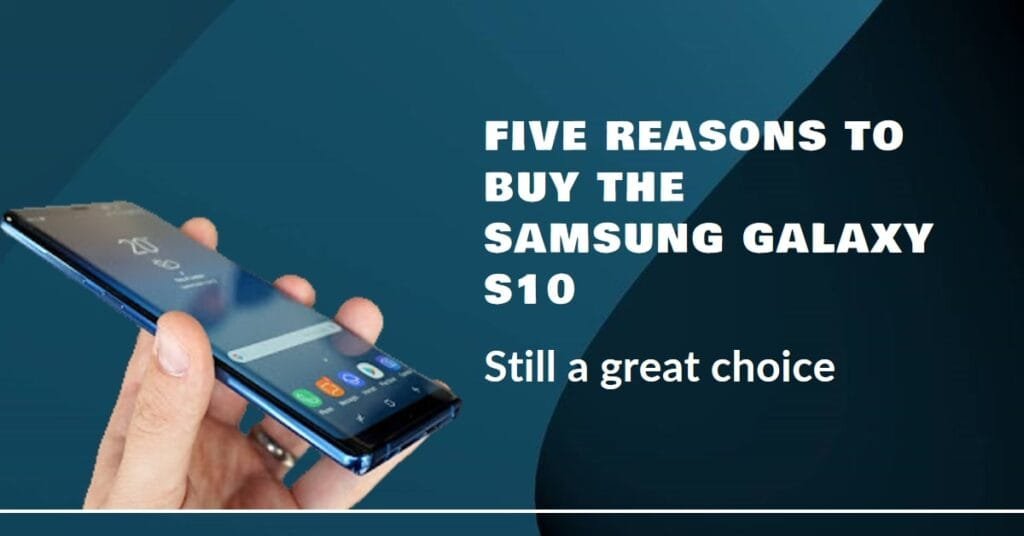
Five reasons why the Samsung Galaxy S10 is still a good buy

Five Reasons Why the Samsung Galaxy S10 is Still a Good Buy in 2025

Introduction: S10 in 2025

In the fast-paced world of smartphones, a device launched in 2019 might seem like a relic. Yet, the Samsung Galaxy S10 continues to capture attention in 2025, defying its age. I’ve watched countless models come and go, but few retain such a loyal following and practical appeal years later.

This article dives into why the Galaxy S10, despite being several generations old, remains a surprisingly good option for certain buyers. We’ll explore its enduring strengths and acknowledge its limitations in today’s tech world. My goal is to help you decide if this classic flagship still fits your needs and budget.

Key Takeaways

  • The Samsung Galaxy S10 offers exceptional value in 2025, often found for under $200.
  • Its premium display, robust build, headphone jack, and microSD slot are still highly desirable features.
  • The triple-lens camera system delivers capable everyday photos and videos.
  • While official software updates ended, a vibrant custom ROM community provides access to modern Android versions like Android 15.
  • The Snapdragon 855/Exynos 9820 chipset handles most daily tasks and light gaming with ease.

Unbeatable Value Proposition

The most compelling reason to consider a Galaxy S10 in 2025 is its sheer value. What was once a premium, flagship device now sits firmly in the budget-friendly category, making high-end features accessible to more people.

I recall clients always seeking that “flagship killer” experience without the flagship price tag. The S10, in its current market position, perfectly embodies that desire.

Current Market Price in 2025

As of late 2025, you can find a used or refurbished Samsung Galaxy S10 for a fraction of its original cost. Prices for a 128GB unlocked model typically range from $140 to $180, depending on the seller and condition. A 512GB version might set you back around $175 to $182.

This pricing puts it squarely against many brand-new entry-level and mid-range phones, yet the S10 offers a superior build and feature set. It’s a testament to how quickly smartphone values depreciate, benefiting savvy consumers.

Refurbished vs. Used Market

When shopping for an S10, you’ll encounter both “used” and “refurbished” options. Refurbished units, often from reputable dealers, undergo testing and repairs, sometimes even receiving new batteries. They usually come with a warranty, offering peace of mind. I always advise clients to prioritize certified refurbished options for reliability.

The used market, primarily through platforms like Swappa, offers potentially lower prices but demands more careful vetting of sellers and device conditions. Always check seller ratings and detailed descriptions before committing to a purchase.

Premium Hardware, Timeless Design

Despite its age, the Galaxy S10’s hardware and design still feel remarkably premium. Samsung didn’t cut corners with this device, and that quality shines through even years later.

When I first held the S10 back in 2019, its craftsmanship stood out. That same feeling of solid construction and thoughtful design holds up today.

Stunning Dynamic AMOLED Display

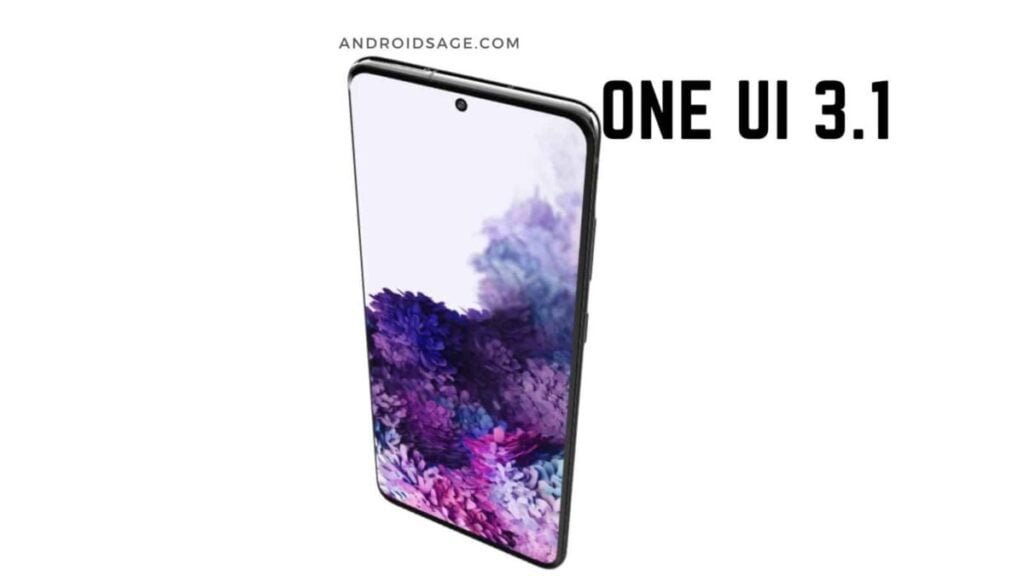
The S10 boasts a 6.1-inch Dynamic AMOLED display, a technology that was cutting-edge at its release and remains impressive in 2025. Colors are vibrant, blacks are deep, and the QHD+ resolution ensures crisp visuals. Streaming videos or browsing photos on this screen is still a fantastic experience.

Compared to many budget phones released today, the S10’s display often surpasses them in clarity and color accuracy. It’s truly a standout feature, especially for media consumption.

Durable Build Quality and Ergonomics

With Gorilla Glass 6 on the front and Gorilla Glass 5 on the back, framed by aluminum, the S10 feels substantial and well-built. Its curved edges contribute to a comfortable grip, making it feel smaller than its screen size suggests.

I appreciate phones that feel good in the hand, and the S10 certainly does. It avoids the sometimes-flimsy feel of cheaper plastic-bodied alternatives, offering a truly premium touch.

Legacy Features: Jack and Storage

In an era where many flagships have abandoned them, the Galaxy S10 retains both a 3.5mm headphone jack and a microSD card slot. These are increasingly rare features that many users still value deeply.

For those who prefer wired headphones or need expandable storage for photos, videos, or apps, these inclusions are major advantages. It means you aren’t forced into wireless audio or cloud storage, offering greater flexibility.

Capable Camera System Still Holds Up

The camera system on the Galaxy S10, while not competing with the absolute latest flagships, still performs admirably for everyday photography in 2025. It offers versatility that many budget phones simply can’t match.

I’ve seen countless photos taken with the S10 over the years, and for typical social media sharing or family albums, it rarely disappoints.

Versatile Triple-Lens Setup

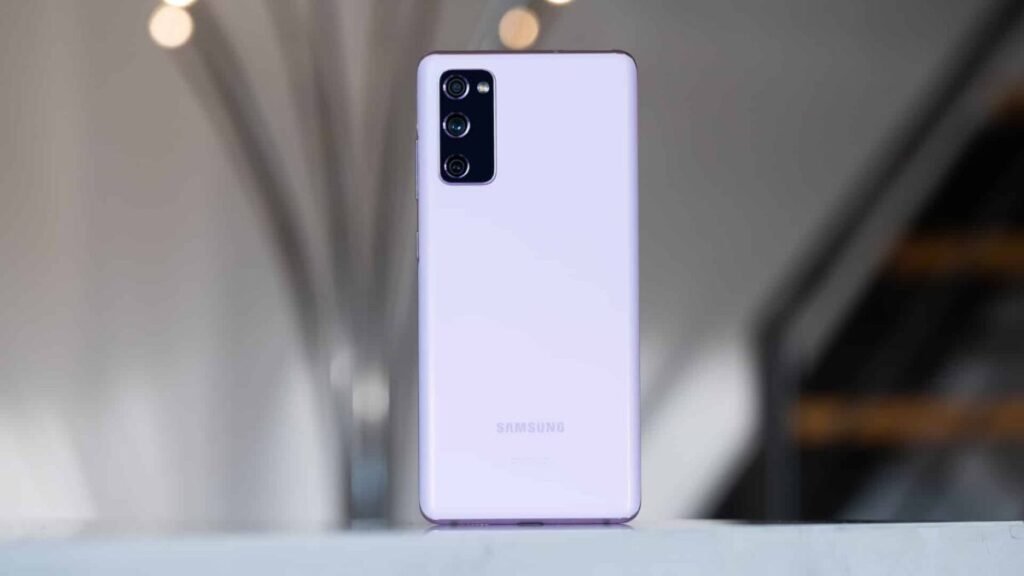
The S10 features a triple-lens rear camera setup: a 12MP wide-angle, a 12MP telephoto, and a 16MP ultra-wide lens. This provides a wide range of focal lengths, allowing you to capture everything from expansive landscapes to detailed close-ups.

Having dedicated telephoto and ultra-wide lenses offers creative flexibility that’s often missing in single or dual-camera budget devices. It’s a truly versatile system for various shooting scenarios.

Daylight Performance and Features

In good lighting conditions, the S10 produces sharp, colorful images with excellent dynamic range. Features like Live Focus (Samsung’s portrait mode) still work well, creating pleasing bokeh effects. The primary 12MP sensor is particularly strong.

While low-light performance might trail newer phones, with a steady hand or adequate lighting, the S10 can still deliver respectable results. Its “Scene Optimizer” also helps fine-tune settings automatically.

Video Capabilities Remain Solid

The S10 is capable of recording 4K video at 60 frames per second, a feature that was premium at launch and remains impressive in 2025. It also offers Super Steady stabilization for smoother footage.

For casual video recording, vlogging, or capturing family moments, the S10’s video quality is more than sufficient. I often recommend it as a secondary camera for content creators on a tight budget.

Community-Driven Software Life

One of the biggest questions about an older phone is software support. While official updates have ceased, the S10 benefits from a dedicated community that extends its software lifespan significantly.

As an expert, I’ve witnessed how a strong developer community can breathe new life into seemingly obsolete hardware. The S10 is a prime example of this phenomenon.

Official Updates: A Past Relic

The Samsung Galaxy S10 officially received its last major Android update with Android 12 and One UI 4.1. This means it no longer gets official security patches or new Android features directly from Samsung.

For many users, this lack of official support would be a deal-breaker. However, for those willing to explore, there’s a different path to modern software.

Enabling Modern Android with Custom ROMs

This is where the S10 truly shines for enthusiasts. A vibrant custom ROM community actively develops and maintains up-to-date Android versions for the device. You can install custom ROMs like LineageOS 22 or Pixel Experience 15, bringing Android 15 to your S10.

Some developers have even ported One UI 7, based on Android 15 from the Galaxy S25 Ultra, to the S10 series, offering a modern Samsung-like experience. This transforms the S10 into a device that feels much newer than it is.

Security and Performance Enhancements

Custom ROMs not only provide the latest Android features but also often include newer security patches and performance optimizations. Many are “de-bloated,” removing unnecessary software that can slow down a phone, leading to a snappier experience.

My own experience with custom ROMs on older devices confirms they can dramatically improve usability. It’s like getting a new phone without buying one, provided you’re comfortable with the installation process.

Performance for Daily Tasks

The heart of the Samsung Galaxy S10 is either the Qualcomm Snapdragon 855 or Samsung’s own Exynos 9820 chipset, depending on your region. In 2025, these processors still offer a surprisingly capable experience for most users.

I’ve always found these chipsets to be workhorses. While not the fastest anymore, they’re far from sluggish for typical usage.

Handling Everyday Applications

For common daily tasks like web browsing, social media, email, and messaging, the S10 performs smoothly. Apps open quickly, and switching between them is generally fluid. The 8GB of RAM in most models also aids in multitasking efficiency.

You won’t experience the instantaneous launches of a 2025 flagship, but for the average user, the S10 remains perfectly adequate. It handles standard applications without frustrating delays.

Gaming and Multitasking Limitations

While light gaming and older titles run well, demanding 3D games released in 2025 might struggle to maintain high frame rates or require reduced graphics settings. Heavy multitasking with many intensive apps open simultaneously can also lead to occasional slowdowns.

It’s important to set realistic expectations; this isn’t a gaming phone for cutting-edge titles. However, for casual gaming and most productivity apps, it holds its own.

Key Considerations Before Buying

While the Galaxy S10 presents a strong case for itself in 2025, it’s crucial to acknowledge its limitations and potential drawbacks. A balanced perspective is key to making an informed purchase.

As an industry veteran, I always highlight the full picture, ensuring no surprises down the line.

Battery Degradation and Solutions

The most significant concern for an S10 in 2025 is its battery life. After several years of use, the original 3,400mAh battery will inevitably have degraded, leading to shorter usage times. You might find yourself needing to charge it midday.

However, this isn’t a terminal issue. Replacing the battery with a new, genuine Samsung part can significantly improve endurance, effectively resetting its lifespan. Factor this potential cost into your budget.

Lack of 5G Connectivity

The standard Samsung Galaxy S10 does not support 5G connectivity. While a specific S10 5G model existed, it’s rarer in the refurbished market. This means you’ll be limited to 4G LTE speeds.

For many, 4G LTE is still perfectly fast for daily browsing and streaming. However, if you live in an area with robust 5G coverage and prioritize the absolute fastest mobile data, this could be a drawback.

Potential Hardware Glitches

Like any aging electronic device, the S10 can develop minor hardware glitches over time. Common reported issues include occasional Wi-Fi connectivity problems, overheating under heavy load, or a laggy user interface if storage is full.

While many of these can be resolved with troubleshooting or software fixes, some might require professional repair. Always buy from a reputable seller offering a warranty to mitigate these risks.

Security Risks of Outdated Software

Without official security updates, an S10 running its last official Android 12 software could be vulnerable to security threats. This is a serious consideration for those who handle sensitive information on their devices.

Installing a custom ROM with up-to-date security patches is the best way to address this. If you’re unwilling or unable to flash a custom ROM, consider limiting sensitive activities on the device or using it as a secondary phone.

Real-Life Use Cases in 2025

Despite its age, the Samsung Galaxy S10 remains a viable and attractive option for several specific use cases in 2025. It’s not for everyone, but for the right person, it hits a sweet spot.

I often advise clients to think about their primary needs; a “perfect” phone is often an “overkill” phone for many.

As a Reliable Secondary Device

The S10 makes an excellent secondary phone. Perhaps you need a dedicated device for work apps, a travel phone, or simply a backup. Its premium build, good screen, and solid camera make it far more capable than many cheaper alternatives.

I frequently use older flagships as secondary devices myself, often for testing or specific tasks. The S10 fits this role perfectly, offering a familiar, quality experience.

Budget-Friendly Option for Students

For students on a tight budget, the S10 offers a fantastic blend of features without the hefty price tag. It handles academic apps, social media, and multimedia consumption with ease, and the camera is great for capturing notes or project work.

The headphone jack is a boon for studying with wired headphones, and the expandable storage means plenty of space for documents and photos.

Tinkerer’s Dream: Customization Hub

For tech enthusiasts and tinkerers, the S10 is a dream device. Its robust custom ROM community means endless possibilities for customization, from installing the latest Android versions to tweaking performance.

This is where the S10 truly offers an experience unique to its price point, allowing users to access capabilities far beyond its official support. It’s a playground for those who love to experiment with software.

Alternatives to Consider in 2025

While the S10 is a strong contender, it’s always wise to consider other options available in 2025, especially if certain features like 5G are non-negotiable. The market has evolved, offering compelling new and refurbished choices.

I always tell my clients, “Don’t marry a brand or a model; marry your needs.”

Newer Refurbished Galaxy Models

If you prefer to stick with Samsung and want slightly newer hardware or official software support, consider refurbished models like the Galaxy S20 or S21. The Galaxy S21, for instance, can be found for under $300 in good condition and offers 5G connectivity.

These models provide a more modern Android experience and better longevity regarding official updates, though at a slightly higher price point than the S10.

Current Mid-Range Smartphones

For those prioritizing newness, a warranty, and 5G out of the box, several new mid-range phones are excellent alternatives. The Moto G (2025) offers Android 15 and 5G for under $200. The Samsung Galaxy A16 5G is another strong contender in the budget 5G space.

Other options include the Meizu Mblu 22 Pro or, if you can find a deal, a Pixel 7a, which offers a great camera and clean Android experience. These phones provide modern features but might compromise on premium build materials or display quality compared to the S10.

Conclusion: Is S10 Still Worth It?

In 2025, the Samsung Galaxy S10 carves out a unique niche in the smartphone market. Its premium hardware, stunning display, and versatile camera system still hold up remarkably well, especially when considering its current price point.

For tech-savvy users willing to explore custom ROMs, the S10 offers a pathway to modern Android versions and extended usability, transforming it into a true customization powerhouse. However, potential buyers must weigh the drawbacks, particularly battery degradation and the absence of 5G connectivity.

If you’re seeking a budget-friendly device with a truly premium feel, a capable camera, and don’t mind the lack of official software updates (or are eager to dive into custom ROMs), the Galaxy S10 remains a surprisingly compelling buy. For under $200, it delivers an experience that often surpasses many newer, similarly priced phones. It’s a testament to enduring quality and the power of community support.

Scroll to Top