Last updated on December 5, 2025
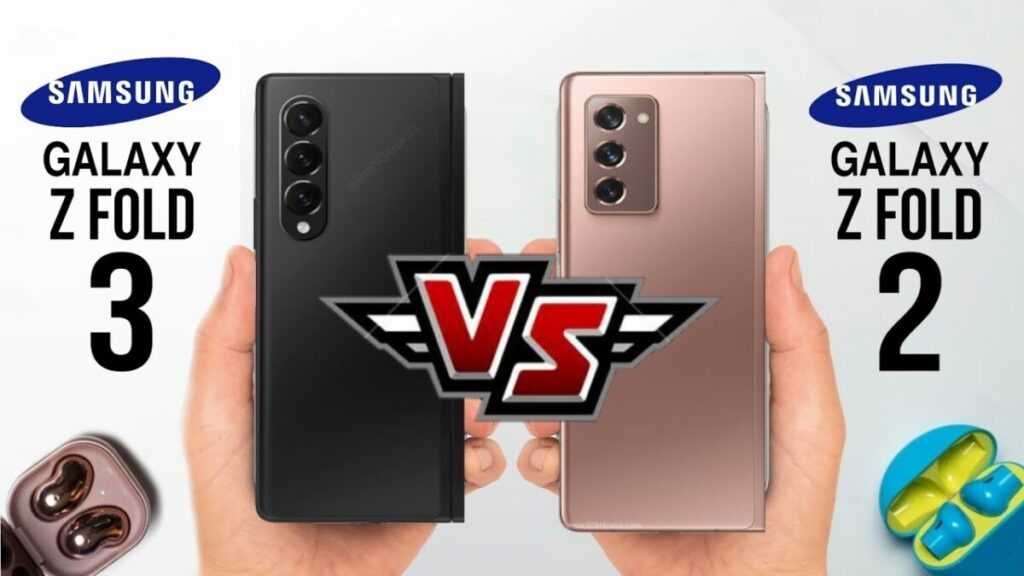
If you’re eyeing a foldable phone but don’t want to shell out for the newest model, you’re in a good spot. The market for used and refurbished foldables is really growing, offering some fantastic deals on what were once very premium devices. In 2025, two popular choices that still pop up often are the Samsung Galaxy Z Fold 2 and the Galaxy Z Fold 3. You might be asking, when it comes to the Samsung Galaxy Z Fold 2 vs Z Fold 3 – What Has Changed? and which one makes the most sense for you today? The quick answer is that the Z Fold 3 brought some key upgrades, especially in durability and S Pen support. But, the Z Fold 2 is often quite a bit cheaper, making it a tempting budget option. Let’s dive into the details to help you decide.
Key Differences at a Glance
For those who want the highlights right away, here’s a quick look at the most important distinctions between these two foldable classics.
| Feature | Samsung Galaxy Z Fold 2 | Samsung Galaxy Z Fold 3 |
|---|---|---|
| Processor | Snapdragon 865 Plus | Snapdragon 888 |
| S Pen Support | No | Yes (S Pen Fold Edition / S Pen Pro) |
| Water Resistance | None | IPX8 |
| Front Camera (Unfolded) | Hole-punch | Under-display camera (UDC) |
| Display Protection | Gorilla Glass Victus (Cover) | Gorilla Glass Victus (Cover), tougher main screen |
| Frame Material | Aluminum | Armor Aluminum |
| Software Updates (as of 2025) | Security patches only | Security patches only |
Why Compare These ‘Classic’ Folds Today?
It might seem a bit odd to compare phones that launched in 2020 and 2021 when it’s already 2025, but there’s a good reason. These older models now represent an affordable entry point into the exciting world of foldable smartphones.
If you’ve always been curious about foldables but put off by the high prices, the Z Fold 2 vs Z Fold 3 in 2025 comparison is incredibly relevant. The refurbished foldable market has grown significantly, offering these devices at much lower prices.
These phones still offer a unique experience that standard slab phones can’t match. They also provide good long-term value for many users, especially if you manage your expectations about the absolute latest features.
The Evolving Foldable Landscape
Since the Z Fold 2 and Z Fold 3 first hit the scene, the foldable phone market 2025 has changed a lot. We’re now seeing devices like the Samsung Galaxy Z Fold 7, and there’s a lot more competition from other brands.
Newer foldables have even better durability, thinner designs, and more refined software. But this evolution also means older models become more accessible. They paved the way for the tech we have now, and their continued presence in the used market shows the enduring appeal of early foldables.
Affordability as an Entry Point
The biggest draw for comparing these two today is their price. New foldables are still quite expensive, often costing well over $1,500. But, you can find a refurbished Galaxy Z Fold 2 or Galaxy Z Fold 3 for a fraction of that cost, making them excellent cheap foldable phones.
This makes them a perfect opportunity to try out a foldable without a huge financial commitment. It’s a great way to see if the foldable form factor fits your lifestyle before potentially investing in a brand new, high-end model down the line.
Design & Durability: Evolution of the Fold
One of the most significant areas where the Samsung Galaxy Z Fold 2 and Galaxy Z Fold 3 differ is in their design and durability. When the Z Fold 3 launched, Samsung made a huge leap forward in making these phones more reliable for daily use.
The Z Fold 3 was the first foldable to offer IPX8 water resistance, which means it can survive being submerged in fresh water for up to 30 minutes. That’s a massive peace of mind improvement over the Z Fold 2, which had no official water resistance at all. From personal experience, even a splash can be terrifying without that rating.
| Feature | Galaxy Z Fold 2 | Galaxy Z Fold 3 |
|---|---|---|
| Cover Screen Glass | Gorilla Glass Victus | Gorilla Glass Victus |
| Frame Material | Aluminum | Armor Aluminum |
| Water Resistance | None | IPX8 |
Hinge and Build Quality
Both phones feature a sophisticated hinge mechanism, but the Z Fold 3’s felt noticeably more refined and solid. While the Z Fold 2’s hinge was good, some users reported issues with dust or small particles getting trapped over time, which could affect the hinge’s smoothness. The Z Fold 2 hinge issues weren’t universal, but they were a known concern.
The Galaxy Z Fold 3 introduced an Armor Aluminum frame and even tougher glass for the outer screen, helping protect it more from drops and scratches. While no foldable is indestructible, the Z Fold 3 definitely felt like a step up in overall build quality and foldable phone build quality.
Weight and Ergonomics
When you hold these phones, you’ll notice they’re both on the heavier side compared to traditional smartphones. The Z Fold 2 weight was around 282g, while the Z Fold 3 slimmed down slightly to 271g.
This difference might not sound like much, but it can make a slight impact on daily comfort, especially during longer use. The Z Fold 3 also felt a little more balanced in the hand when folded, making it slightly easier to use one-handed. Neither is a featherlight device, but the Z Fold 3 ergonomics offered a marginal improvement for long-term comfort.
Displays: Inner and Outer Screen Experience
Both the Galaxy Z Fold 2 and Galaxy Z Fold 3 offer stunning display experiences, especially when unfolded. They both feature beautiful Dynamic AMOLED 2X displays with a smooth 120Hz refresh rate on both the cover screen and the main inner display. This means scrolling and gaming feel incredibly fluid and responsive.
The biggest change in the Z Fold 3 display and overall experience comes from its under-display camera (UDC) on the main screen. Instead of a hole-punch cutout, the selfie camera is hidden beneath the pixels, giving you an uninterrupted viewing area. It’s a cool piece of foldable screen technology, though it has trade-offs in camera quality.
The Z Fold 3 also benefited from a slightly brighter main screen and an improved protective film on the inner display, which felt a bit more durable than the Z Fold 2’s. Both screens are fantastic for media consumption, but the Z Fold 3 offers a slightly more immersive feel when unfolded due to the UDC.
Performance: Still Capable in 2025?
When we talk about performance in 2025, it’s important to remember these phones are a few generations old. The Galaxy Z Fold 2 runs on the Snapdragon 865 Plus processor, while the Galaxy Z Fold 3 stepped up to the Snapdragon 888. Both were top-tier chips in their day.
For everyday tasks, like browsing, social media, and emailing, both phones are still perfectly capable. You won’t notice much lag for these basic functions. Even light gaming and multitasking with Multi-Active Window on the large inner screen will be fine.
But, if you’re into demanding mobile games or heavy video editing, you’ll start to see the age of these chipsets. The Snapdragon 888 performance 2025 in the Z Fold 3 will handle more intensive tasks slightly better than the Snapdragon 865 Plus capabilities in the Z Fold 2, but neither will match a 2025 flagship. Think of them as still good, but not new.
Camera Systems: Photography Then and Now
Neither the Galaxy Z Fold 2 nor the Galaxy Z Fold 3 were ever known as camera champions, especially compared to their S-series counterparts at the time. Both phones feature a triple 12MP camera setup on the back (wide, ultrawide, telephoto), a 10MP cover screen selfie camera, and a 10MP selfie camera on the inner screen (for the Z Fold 2).
The most notable difference is the under-display camera Z Fold 3 on the inner screen. While it provides a smooth viewing experience, its image quality (a 4MP sensor) is noticeably weaker than the Z Fold 2’s 10MP hole-punch camera. For video calls or quick selfies, it’s okay, but don’t expect stunning photos.
In general, the Z Fold 3 camera quality is slightly improved over the Z Fold 2 camera About processing, but the hardware is very similar. Both take decent photos in good lighting, but they struggle a bit more in low light and won’t hold up against a modern flagship camera. If photography is your absolute top priority, you might want to consider a different phone or manage your expectations.
Battery Life & Charging: Powering Through the Day
Battery life is often a concern with foldables, and these older models are no exception. The Galaxy Z Fold 2 has a 4500 mAh battery, while the Galaxy Z Fold 3 has a slightly smaller 4400 mAh battery. On paper, there isn’t a huge difference, but real-world usage can vary significantly based on factors like screen-on time and app usage.
In 2025, considering potential battery degradation from years of use, you should expect moderate battery life. A refurbished unit might not give you a full day of heavy use, especially if you spend a lot of time on the large inner screen. Many users find that with older phones, a midday top-up is often necessary if they’re really pushing it.
Both phones support 25W wired charging and 10W wireless charging. These speeds are decent but not super fast by today’s standards. Expect to get a full charge in around 1.5 to 2 hours. The Z Fold 2 battery life 2025 and Z Fold 3 battery drain issues will largely depend on the individual unit’s battery health and how it was previously used.
Software & S Pen: The User Experience
The software experience on both phones is powered by Samsung‘s One UI interface running on Android. Both devices offer features like Flex Mode (where the phone acts like a mini laptop when partially folded) and the excellent Multi-Active Window for reliable multitasking on the large screen.
The biggest software-related upgrade on the Z Fold 3 is its Z Fold 3 S Pen support. This was a game-changer for many users who wanted to take notes or draw on the large inner screen. You’ll need a specific S Pen Fold Edition or S Pen Pro, as regular S Pens aren’t compatible due to the softer screen and specialized digitizer.
But, it’s crucial to understand their software update status in 2025. Both the Z Fold 2 and Z Fold 3 have reached the end of their major Android OS update cycles. While newer Samsung phones might be looking at Android 15 (One UI 7), these models will only receive security patches.
This means you won’t get new Android features or major One UI version upgrades, but your phone will still be protected from critical vulnerabilities. The Z Fold 2 software support and Z Fold 3 support are now primarily focused on security updates.
Pricing & Availability in 2025: The Refurbished Market
In 2025, you won’t find either the Galaxy Z Fold 2 or the Galaxy Z Fold 3 new in retail stores. They are almost exclusively available as used or refurbished devices. This is where the real value proposition comes in, making them attractive entry points into the foldable world.
Pricing will vary significantly based on condition, storage capacity, and the seller. Generally, you can expect the Z Fold 2 price 2025 to be lower than the Z Fold 3 refurbished price. Here’s a rough idea of what you might see (prices in USD, subject to change based on market fluctuations):
| Model | Expected Refurbished Price Range (USD) |
|---|---|
| Samsung Galaxy Z Fold 2 | $300 – $550 |
| Samsung Galaxy Z Fold 3 | $500 – $800 |
When looking to buy, check reputable refurbished marketplaces like eBay, Back Market, Swappa, Reebelo, UpTrade, or even Best Buy’s refurbished sections. Always look for sellers with good ratings, clear descriptions of the phone’s condition, and a decent return policy. Pay attention to battery health reports if available, as this significantly impacts an older phone’s usability.
Common Issues & Longevity: What to Expect
Buying an older foldable means being aware of potential issues and managing expectations for longevity. Both the Galaxy Z Fold 2 and Galaxy Z Fold 3 have some common problems that have emerged over time.
- Screen Protector Peeling: The factory-installed screen protector on the main inner display can start to peel, especially around the crease. This is a common issue with many foldables. You can often carefully remove it, but it voids the warranty and exposes the softer screen, making it more vulnerable to damage.
- Hinge Durability: While generally reliable, the hinges can collect dust or become less smooth over time. For the Z Fold 2, this was a slightly more reported issue. Keeping the hinge area clean is important.
- Battery Degradation: As discussed, the battery capacity will naturally degrade with age and usage cycles. Expect less ‘all-day’ usage than when they were new.
- Crease Visibility: The crease on the inner display is a characteristic of foldables. While not a “problem,” it can become slightly more pronounced over time, especially when viewing content at certain angles.
- Software Updates: As of 2025, both are primarily receiving security updates, meaning you won’t get new features or major Android version upgrades. This limits access to the latest software new ideas.
To maximize your phone’s lifespan, I recommend using a good protective case, being gentle when unfolding, and trying to keep dust and debris away from the hinge mechanism. Regularly backing up your data is also a smart move with any older device, especially one with moving parts.
Z Fold 2 vs. Z Fold 3: Which ‘Classic’ Foldable is Right for You?
So, after looking at the Samsung Galaxy Z Fold 2 vs Z Fold 3, which one should you pick? It really comes down to your priorities and budget. Here’s a quick guide:
| Choose the Z Fold 2 if… | Choose the Z Fold 3 if… |
|---|---|
| Your budget is tighter (aiming for $300-$550 USD). | You want S Pen support for notes and drawing. |
| You don’t need water resistance for daily peace of mind. | IPX8 water resistance is a must-have for peace of mind. |
| You’re okay with slightly older performance for everyday tasks. | You prefer the slightly faster Snapdragon 888 chip. |
| You want a slightly better inner selfie camera (no UDC trade-offs). | You value the uninterrupted viewing experience of the under-display camera. |
| This is purely an experimental entry into foldables. | You want a slightly more durable overall build (Armor Aluminum). |
Frequently Asked Questions (FAQ)
Will the Z Fold 2 and Z Fold 3 still receive software updates in 2025?
In 2025, both the Galaxy Z Fold 2 and Galaxy Z Fold 3 have completed their major Android OS upgrade cycles. They will continue to receive critical security patches for a period, but don’t expect new features or upgrades to the latest One UI versions. Samsung generally provides security updates for longer than major OS updates, ensuring basic protection.
Are the Z Fold 2 and Z Fold 3 still durable enough for daily use?
Yes, for most people, they are still durable enough for daily use, especially with careful handling. The Z Fold 3 has better foldable phone durability thanks to its IPX8 water resistance and Armor Aluminum frame. But, with any older foldable, extra care is recommended due to the moving parts and flexible screen.
A good case is essential, and be mindful of debris near the hinge. Screen protector issues are a common part of smartphone longevity for these devices, but often manageable.
What’s the typical battery life like for these phones in 2025?
Expect moderate battery life. Due to age and usage, the battery health on refurbished units won’t be as good as new. You’ll likely get a solid half to three-quarters of a day of average use, depending on how heavily you use the main display.
Heavy users, especially those using the main display frequently, might need a midday charge to get through a full day. Checking the unit’s reported battery health before buying is a good idea to set realistic expectations.
Can I still get repairs for the Z Fold 2 or Z Fold 3?
Yes, you can usually still get repairs. Samsung service centers or authorized third-party repair shops can often perform repairs, especially for common issues like screen replacements or battery swaps. But, parts might be harder to find for older models, and costs could be higher than for more common slab phones.
Always get a detailed quote before committing to a repair to understand the potential expense.
The Enduring Appeal of Early Foldables
The Samsung Galaxy Z Fold 2 and Galaxy Z Fold 3 represent fascinating chapters in Samsung foldable phones history and the broader foldable phone technology evolution. While they’re no longer the latest and greatest, their enduring appeal in 2025 lies in their affordability and the unique experience they offer.
If you’re on a budget but eager to try a device that truly stands out, one of these classic folds could be your perfect match. They prove that you don’t always need the newest tech to enjoy a premium, innovative smartphone experience. Ultimately, it’s all about finding the right balance of features and price for you, and sometimes, the best decisions live in that sweet spot of value.