Last updated on November 29, 2025
The smartphone market. It’s a battlefield. Especially in the mid-range segment. Companies constantly push out new devices, each promising the “next big thing” without breaking the bank. Back in March 2020, Samsung threw its hat into this crowded ring with the Galaxy A31. It was positioned as the successor to the popular Galaxy A30, aiming to bring premium features down to a more accessible price point. But how did it actually fare? What did it offer? And, looking back, how does it hold up?
This isn’t just a spec sheet rundown. This is a deep dive. A mega-thread for anyone who owned one, considered one, or is simply curious about the engineering and market decisions behind a popular mid-range device from a few years ago. We’ll dissect every aspect, from its design philosophy to its camera performance, its internal hardware, and the software experience.
Design and Display: A Familiar Face with a Brilliant Screen
Samsung’s design language, it’s often consistent. The Galaxy A31 certainly followed this trend, borrowing heavily from its more premium siblings, the Galaxy A51 and A71. This was a smart move. It gave the A31 a more upscale look, even if it sat lower in the product hierarchy.
The ‘Glasstic’ Aesthetic
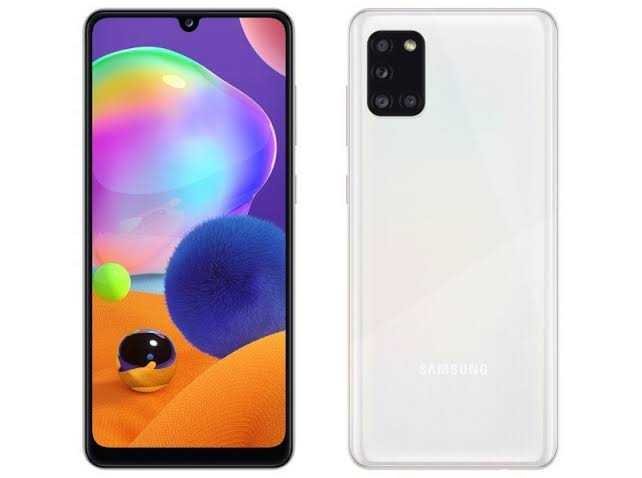
The back panel. Not glass, not quite plastic. Samsung calls it “glasstic.” It’s essentially a polycarbonate body designed to mimic the feel and appearance of glass. This material choice helps keep costs down, makes the phone lighter, and arguably more durable against drops than pure glass. But, it does pick up fingerprints easily. The A31 sported a geometric pattern on this back panel, which would subtly shift and reflect light at different angles. A nice touch, adding a bit of flair to an otherwise functional design.
The available colors at launch included Prism Crush Black, Prism Crush Blue, Prism Crush Red, and Prism Crush White. These names themselves suggest a play on light and reflection, aligning with that “glasstic” finish.
Measuring 159.3 x 73.1 x 8.6 mm and weighing in at 185 grams, the A31 felt solid in hand. It wasn’t overly heavy, despite packing a rather large battery. This balance of size and weight made it comfortable for daily use.
The Infinity-U Super AMOLED Display
Now, the display. This was, without a doubt, one of the A31’s strongest selling points. Samsung equipped it with a 6.4-inch Super AMOLED panel. This isn’t just any screen technology; Super AMOLED is known for its vibrant colors, deep, inky blacks, and excellent contrast ratios. For a mid-range phone in 2020, this was a significant advantage. Many competitors at the same price point were still using LCD panels, which simply can’t match the visual punch of AMOLED.
The resolution stood at 1080 x 2400 pixels, often referred to as Full HD+. This translates to a pixel density of approximately 411 pixels per inch (PPI), meaning text and images appeared sharp and clear. The aspect ratio was 20:9, a tall and narrow format that was becoming standard across the industry, making it great for consuming media and browsing social feeds.
A U-shaped notch, dubbed “Infinity-U” by Samsung, housed the front-facing camera. While some preferred a punch-hole cutout (like on the A51), the U-notch was less intrusive than wider notches found on older devices. The display also boasted respectable brightness levels, reaching up to 420 nits in typical use and boosting to an impressive 635 nits in auto mode under direct sunlight. This ensured good outdoor visibility, a common weakness for many budget displays.
The screen was protected by Gorilla Glass 5, offering a decent level of scratch resistance. Plus, with an 84.9% screen-to-body ratio, the bezels were relatively thin, though the bottom chin was noticeably thicker than the other sides.
One more thing about the display: it featured an in-display optical fingerprint sensor. This was a premium feature at the time for its price segment. While some reviewers noted it could be a bit slower than traditional physical sensors, it was generally accurate and a step up from previous in-display sensors in Samsung’s mid-range line.
The A31 Cameras: Quad-Camera Versatility
Mid-range smartphones in 2020 saw a significant push towards multiple camera lenses. The Galaxy A31 jumped right into this trend, offering a quad-camera setup on the back. The idea was versatility, giving users more tools for different shooting scenarios.
Rear Camera System
Let’s break down the four lenses:
- **48 MP Primary Camera (f/2.0):** This was the main workhorse. High megapixel counts don’t always mean better photos, but a 48MP sensor typically uses pixel binning technology to combine information from multiple pixels into one, resulting in brighter, more detailed 12MP photos, especially in good lighting. In optimal conditions, it produced crisp, clear photos with good detail and minimal noise. However, some found the photos to be a bit “bland” at times, lacking punch.
- **8 MP Ultra-Wide Camera (f/2.2, 123° field of view):** Perfect for capturing expansive landscapes, group shots, or architectural photography where you want to fit more into the frame. The 123-degree field of view was quite wide, though ultra-wide lenses in this segment often come with some distortion towards the edges. Color accuracy could sometimes be an issue compared to the main lens.
- **5 MP Macro Camera (f/2.4):** Designed for close-up shots, allowing users to capture intricate details of small objects. While a fun addition, 5MP macro sensors on mid-range phones can be hit-or-miss. They require good lighting and a steady hand to get sharp results, and the image quality might not always be stellar.
- **5 MP Depth Camera (f/2.4):** This lens works in conjunction with the main camera to create a “Live Focus” (portrait mode) effect, blurring the background to make the subject stand out. It helps create that desirable bokeh effect, though edge detection isn’t always perfect on mid-range devices.
Front Camera and Video Capabilities
For selfies, the A31 featured a 20 MP camera with an f/2.2 aperture, housed in the Infinity-U notch. This sensor was capable of taking good detailed shots, especially in daylight, with vivid and well-exposed results. It also supported “Live Focus” for background blur in selfies.
Video recording was limited across the board. Both the front and rear cameras could record videos at 1080p resolution at 30 frames per second (fps). This was a notable limitation, as many competitors, and even other Samsung devices like the Galaxy M21 and A51, offered 4K video recording or higher frame rates (60fps) for smoother footage. Some sources indicate the presence of gyro-EIS for video stabilization, while others contradict this, suggesting a lack of stabilization. This inconsistency points to an area where the A31 likely struggled.
Camera Features and Software
The camera software included standard features like Autofocus, Continuous Shooting, Digital Zoom (up to 8x), Geotagging, Panorama, and HDR. It also had Touch to Focus, Face Detection, White Balance settings, ISO settings, and a Self-timer. AI (Artificial Intelligence) features and AI beauty mode were also present, helping users enhance their photos.
However, a recurring critique was the camera’s low-light performance. While some sources mention a “Night mode” feature, reviews often indicated it was either absent, poorly implemented, or simply not effective, leading to noisy and soft images in challenging light. This meant users would primarily rely on good ambient light for decent photos.
Hardware and Software: The Engine Under the Hood
A smartphone’s true capabilities often come down to its internal components. The Galaxy A31, being a mid-range device, packed hardware designed to offer a balanced experience without pushing into flagship territory.
Processor: MediaTek Helio P65
At its core, the Samsung Galaxy A31 was powered by the MediaTek Helio P65 chipset. This was a 12-nanometer (nm) chip, featuring an octa-core CPU configuration: two performance-oriented ARM Cortex-A75 cores clocked at 2.0 GHz and six power-efficient ARM Cortex-A55 cores clocked at 1.7 GHz. Graphics were handled by the Mali-G52 MC2 GPU.
This processor choice was a point of contention among reviewers. While the Helio P65 was capable of handling everyday tasks like browsing, social media, and messaging smoothly, it wasn’t a powerhouse for demanding applications or heavy gaming. Compared to some Snapdragon chipsets offered by competitors in the same price range, the P65 often fell short in raw performance benchmarks and gaming prowess. For casual gamers, it might have been adequate, but serious mobile gamers would find it underwhelming.
RAM and Storage Configurations
Samsung offered the Galaxy A31 in various memory configurations to suit different needs and budgets:
- RAM: 4 GB or 6 GB LPDDR4X RAM. More RAM generally means better multitasking capabilities, allowing more apps to stay open in the background without slowing down the phone.
- Internal Storage: 64 GB or 128 GB of eMMC 5.1 internal storage. While 64GB was acceptable for basic users, 128GB offered more breathing room for apps, photos, and videos. Many regions offered 128GB as standard.
Battery Life: A True Powerhouse
One area where the Samsung Galaxy A31 truly excelled was battery life. It packed a massive 5000 mAh non-removable Li-Po battery. This was a significant upgrade over its predecessor, the A30, and even larger than the batteries found in the more expensive Galaxy A41 and A51.
In real-world tests, the A31 consistently delivered impressive endurance. Many users reported easily getting a day and a half, often two days, of moderate use on a single charge. Even with heavy use, including gaming and video streaming, it could comfortably last 12-14 hours. This extended battery life was a major draw for users who prioritized longevity between charges.
The phone supported 15W fast charging, and a compatible 15W charger was included in the box. While “fast charging” has evolved considerably since 2020, 15W was decent for a mid-range device at the time. A full charge from empty typically took around 2 hours and 48 minutes to 3 hours, with about 30% charge recovered in the first 30 minutes. Not the fastest, but reliable.
Software Experience: Android with One UI
Out of the box, the Samsung Galaxy A31 ran Android 10, overlaid with Samsung’s custom user interface, One UI 2.0 or 2.1. One UI was generally well-regarded for its clean design, user-friendliness, and numerous customization options. It aimed to make one-handed use easier on larger screens by placing interactive elements within thumb’s reach.
Key software features included:
- Always-On Display (AOD): Leveraging the AMOLED screen, AOD allowed users to see notifications, time, and battery information without fully waking the screen. Given the large battery, this feature didn’t significantly impact endurance.
- Dark Mode: A system-wide dark mode helped reduce eye strain, especially in low light, and could also contribute to minor battery savings on an AMOLED display.
- Edge Panels: Customizable panels that slid out from the side of the screen, offering quick access to apps, contacts, and tools.
- Android 10 Gestures: Support for modern gesture-based navigation, offering an alternative to traditional navigation buttons.
- Bloatware: Like many Samsung phones, the A31 came with some pre-installed third-party apps (e.g., Netflix, Facebook, OneDrive), some of which could not be uninstalled.
Connectivity: Staying Connected in 4G
In an increasingly connected world, a phone’s connectivity options are vital. The Galaxy A31 offered a comprehensive set of features for its time, though with a notable omission.
Essential Ports and Wireless Standards
- **3.5mm Headphone Jack:** Yes, it had one! This was a welcome inclusion for many users who still preferred wired headphones, especially as more expensive phones started ditching it.
- **USB Type-C Port:** The modern standard for charging and data transfer, offering reversible insertion and faster speeds than older micro-USB ports.
- **NFC (Near Field Communication):** Supported in many regions, enabling contactless payments via Samsung Pay and quick pairing with compatible accessories.
- **Dual-Band Wi-Fi:** Support for both 2.4GHz and 5GHz Wi-Fi networks (802.11 a/b/g/n/ac). This allowed for faster and more stable internet connections when available.
- **Bluetooth 5.0:** Offered improved range, speed, and power efficiency compared to older Bluetooth standards, beneficial for wireless audio and accessory connections.
- **GPS and GLONASS:** For accurate location tracking and navigation.
- **Dual SIM (Nano-SIM):** Many variants supported two Nano-SIM cards, allowing users to manage two phone numbers or plans simultaneously.
- **VoLTE Support:** Voice over LTE for high-quality calls over 4G networks.
The 4G Limitation
The primary limitation in connectivity, especially looking back from 2025, was the absence of 5G support. The Galaxy A31 was a 4G LTE-only device. In 2020, 5G networks were still nascent in many regions, and including 5G hardware would have significantly increased the phone’s cost. For its target market and price point at launch, 4G was perfectly adequate for streaming, browsing, and most online activities. However, for users looking for future-proofing, this was a drawback.
Price and Availability: Market Positioning
The Samsung Galaxy A31 was officially announced on March 18, 2020, and began to go on sale in various markets around June 2020. Its pricing reflected its mid-range positioning.
In India, for instance, the launch price for the 6GB RAM/128GB storage variant was around ₹21,999 (approximately $300 USD or €280 at the time). This price later saw a drop, with the same variant becoming available for ₹17,999. In Nigeria, the price ranged between NGN 90,000 and NGN 103,000.
The A31 was available through both online and offline retail channels, including major e-commerce platforms like Amazon.in and Flipkart, as well as Samsung’s own e-store and authorized retail outlets.
Competitive Landscape
At its price point, the Galaxy A31 faced stiff competition, particularly from Chinese brands like Xiaomi (e.g., Redmi Note 9 Pro Max, Redmi 9S) and Realme, which often offered more powerful chipsets or specific features for a similar or lower cost. Samsung’s own lineup also presented internal competition, with phones like the Galaxy A51 offering a slightly more rounded package (e.g., 4K video, better ultrawide camera) for a bit more money, and the Galaxy M21 offering a larger battery with an Exynos chipset for potentially better video capabilities.
The A31’s value proposition largely hinged on its Super AMOLED display and exceptional battery life, often making it a compelling choice for users who prioritized those aspects over raw processing power or advanced camera features.
Key Specifications and Features: A Summary
Let’s consolidate the core aspects of the Samsung Galaxy A31 for a quick overview.
| Feature | Detail |
|---|---|
| Display | 6.4-inch Super AMOLED, 1080 x 2400 pixels (FHD+), 411 ppi, Infinity-U notch, 20:9 aspect ratio, 60Hz refresh rate, up to 635 nits peak brightness, Gorilla Glass 5 protection. |
| Processor | MediaTek Helio P65 (12 nm), Octa-core (2×2.0 GHz Cortex-A75 & 6×1.7 GHz Cortex-A55), Mali-G52 MC2 GPU. |
| RAM | 4 GB / 6 GB. |
| Internal Storage | 64 GB / 128 GB (eMMC 5.1). |
| Expandable Storage | MicroSDXC slot, up to 512 GB. |
| Rear Camera | Quad: 48 MP (main, f/2.0), 8 MP (ultra-wide, f/2.2, 123°), 5 MP (macro, f/2.4), 5 MP (depth, f/2.4). |
| Front Camera | 20 MP (f/2.2). |
| Video Recording | 1080p @ 30fps (front & rear). |
| Battery | 5000 mAh Li-Po (non-removable), 15W fast charging. |
| Operating System | Android 10 (at launch), upgradable to Android 12, One UI 2.0/2.1/4.1. |
| Biometrics | In-display optical fingerprint sensor, facial recognition. |
| Connectivity | 4G LTE, Wi-Fi 802.11 a/b/g/n/ac (dual-band), Bluetooth 5.0, GPS, GLONASS, NFC (region-dependent), USB Type-C, 3.5mm headphone jack. |
| Dimensions | 159.3 x 73.1 x 8.6 mm. |
| Weight | 185 grams. |
| Colors | Prism Crush Black, Prism Crush Blue, Prism Crush Red, Prism Crush White. |
Reception and Verdict: A Mixed Bag
The Samsung Galaxy A31 received a mixed reception upon its release. Reviewers and users alike highlighted its strengths and weaknesses, painting a clear picture of its place in the competitive mid-range market.
What Stood Out (in a Good Way)
- **Super AMOLED Display:** This was consistently praised. The vibrant colors, deep blacks, and sharpness offered a superior viewing experience compared to many LCD-equipped rivals.
- **Excellent Battery Life:** The 5000 mAh battery was a major draw, providing exceptional endurance that often lasted two days on moderate use.
- **Design and Build Quality:** While “glasstic,” the phone felt well-built and looked premium, borrowing design cues from higher-end Galaxy A series devices.
- **Software Experience:** One UI on Android 10 (and subsequent updates) was generally smooth, feature-rich, and user-friendly.
- **In-Display Fingerprint Sensor:** A convenient and modern biometric security feature that worked reliably, even if not the fastest.
Where It Fell Short
- **Performance:** The MediaTek Helio P65 chipset was the most significant point of criticism. It was deemed underpowered for gaming and heavy multitasking, often lagging behind competitors using Qualcomm Snapdragon chips in the same price bracket. This limited its appeal for performance-hungry users.
- **Camera Quality (Especially Low-Light):** While offering a versatile quad-camera setup, the actual performance, particularly in low-light conditions, was often disappointing. The lack of a strong night mode and the absence of 4K video recording or higher frame rates were notable omissions for a phone released in 2020.
- **Value Proposition:** Despite its strengths, some reviewers felt that for a similar price, or by spending just a little more, users could find other phones (even within Samsung’s own A and M series) that offered a more balanced package, particularly in terms of processor power or camera capabilities. The thick bottom bezel was also a minor aesthetic critique.
Who Was It For?
The Samsung Galaxy A31 was a solid option for a specific type of user. It was ideal for those who:
- Prioritized a stunning Super AMOLED display for media consumption.
- Needed exceptional battery life to last through long days without worrying about charging.
- Appreciated Samsung’s One UI software experience.
- Used their phone primarily for casual tasks like browsing, social media, messaging, and light photography.
- Were not heavy gamers or professional photographers.
For users who prioritized extended battery life for prolonged daily use without frequent recharging, and who valued the user experience of Samsung’s One UI software, the A31 offered a suitable solution. Their primary device usage centered on general tasks such as web browsing, social media interaction, messaging, and light photography, rather than performance-intensive activities like heavy gaming or professional photography.