Last updated on December 3, 2025
Introduction: Call Recording on Your Samsung Galaxy S20 in 2025
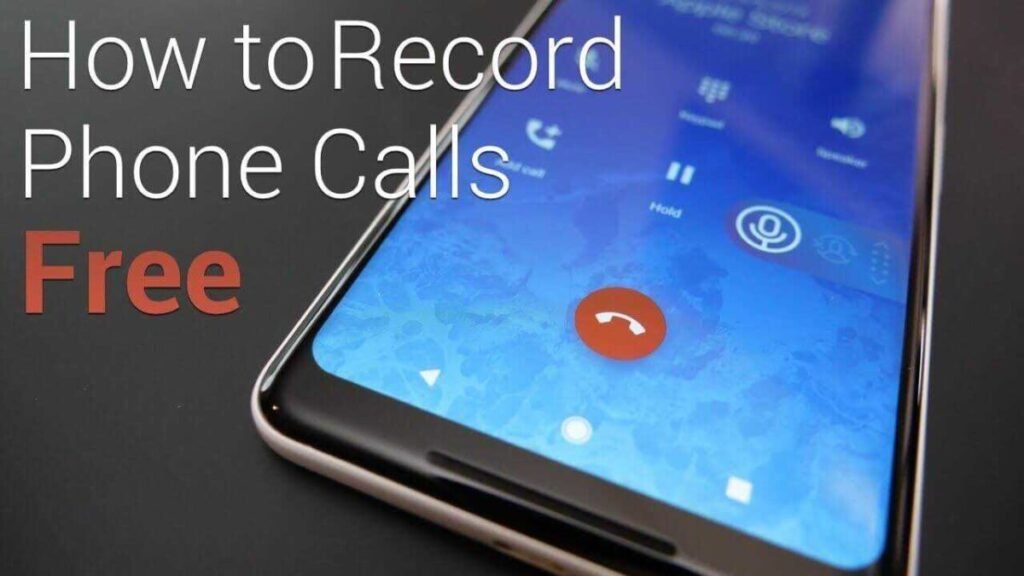
Even in 2025, your Samsung Galaxy S20, S20+, or S20 Ultra remains a remarkably capable and reliable smartphone for many users. While newer models boast advanced features and longer support lifecycles, the core functionalities of your S20 series device are still highly relevant. One feature that often sparks significant interest, yet comes with its own set of complexities, is call recording. Whether you need to keep a precise record of important business conversations, remember specific details from a personal call, or simply archive a memorable chat, knowing how to record a phone call on your Samsung S20 can be incredibly useful.
However, the landscape of call recording has evolved significantly since the S20 series first launched. Legal restrictions, continuous Android operating system updates, and changing app policies have made it a challenging endeavor. This comprehensive guide will walk you through the various methods available in 2025, from native features to third-party apps and alternative solutions. We’ll also delve into the crucial legal and ethical considerations to ensure you record calls responsibly and lawfully.
Why Record Calls? Common Use Cases
- For Business: Documenting client agreements, recording meeting minutes, keeping track of important instructions, or verifying order details.
- For Personal Use: Remembering details from complex conversations, archiving precious family moments, or having a record for potential dispute resolution.
- For Security: Gathering evidence in case of harassment, fraudulent calls, or threats.
Key Considerations for S20 Users Today
As an S20 series owner in 2025, you’ll encounter a few specific challenges. Google’s Android OS has progressively tightened restrictions on call recording for privacy and security reasons, significantly impacting many third-party apps. Additionally, the availability of Samsung’s native call recording feature varies significantly by region and specific device firmware (CSC – Country Specific Code). Understanding these factors is key to finding a working solution for your Samsung Galaxy S20, Galaxy S20+, or Galaxy S20 Ultra, especially as the device ages and receives fewer official updates.
Understanding Call Recording Laws in 2025
Before you even consider recording a phone call, it’s absolutely essential to understand the legalities involved. Call recording laws vary dramatically from country to country, and even state to state within some nations. Recording a conversation without proper consent can have serious legal consequences, including substantial fines or even imprisonment. This section provides a general overview and is for informational purposes only; always consult a legal professional for advice specific to your situation and location.
One-Party Consent vs. All-Party Consent
The core distinction in call recording laws revolves around consent:
- One-Party Consent: In these regions, you are legally permitted to record a conversation as long as you are a participant in the call and consent to the recording yourself. You do not need to inform the other parties that the call is being recorded.
- All-Party (or Two-Party) Consent: In these regions, every participant in the conversation must be informed and give their explicit consent before the call can be recorded. This often means stating “This call may be recorded for quality and training purposes” or similar, and waiting for acknowledgment from all parties.
Call Recording Laws in the USA (State-by-State)
The United States is a patchwork of one-party and all-party consent laws. While federal law generally permits one-party consent, many individual states require all-party consent for calls originating or terminating within their borders. For example, states like California, Florida, Maryland, Massachusetts, Montana, Nevada, New Hampshire, Oregon, Pennsylvania, and Washington generally require all parties to consent to a recording. Conversely, states like New York, Texas, and most others operate under one-party consent laws.
It’s crucial to know the specific laws of both your state and the state where the other party is located, as the stricter law often applies. If you’re unsure, or if the call involves multiple states, it’s always safest to assume all-party consent is required and obtain it.
European Union (EU) and GDPR Regulations
Across the European Union, the General Data Protection Regulation (GDPR) imposes strict rules on data privacy, which includes recorded conversations. Generally, recording phone calls for business purposes requires explicit, informed consent from all parties, clear notification, and a legitimate, documented reason for processing the data. For personal use, the rules can be less stringent, but it’s still highly advisable to inform and seek consent from the other party to avoid potential legal or ethical issues.
Call Recording Laws in Other Key Regions (e.g., UK, India, Canada, Australia)
- United Kingdom: In the UK, it’s generally legal to record a call for personal use without informing the other party, as long as the recording isn’t shared with third parties. However, for business purposes, you typically need to inform and gain explicit consent from all participants, adhering to GDPR principles.
- India: Call recording in India is generally legal for personal use, but sharing such recordings without consent can lead to legal issues. For official or investigative purposes, specific legal frameworks and permissions apply.
- Canada: Canada operates under a one-party consent rule, meaning you can record a conversation as long as you are a participant in it.
- Australia: In Australia, laws vary by state and territory. Most jurisdictions require two-party consent, meaning all parties must be aware of and consent to the recording.
Again, these are general guidelines. Always verify the specific laws applicable to your situation and the location of all participants before recording.
Ethical Considerations and Best Practices
Even where legally permissible, there are strong ethical reasons to inform someone you are recording them. Transparency builds trust and avoids potential misunderstandings. If you choose to record, consider these best practices:
- Always Inform (When in Doubt): If there’s any uncertainty about consent laws, or even if it’s one-party consent, inform the other party at the beginning of the call that you intend to record and seek their consent.
- State Your Purpose: Briefly explain why you are recording the call (e.g., “for notes,” “to ensure accuracy,” “for a record of our agreement”).
- Secure Storage: Keep recordings secure, private, and protected from unauthorized access.
- Deletion: Delete recordings once they are no longer needed or legally required to be kept.
How to Use Samsung’s Native Call Recording Feature on S20 Series
Many Samsung Galaxy S20, S20+, and S20 Ultra devices include a built-in call recording feature as part of the One UI interface. However, its availability is heavily dependent on your region’s laws and the specific firmware (CSC – Country Specific Code) your phone is running. If available, it’s often the most reliable and convenient method, offering superior audio quality compared to many third-party workarounds.
Prerequisites: When is the Native Feature Available?
The native call recording feature is typically present in regions where one-party consent laws are common or where local regulations explicitly allow it. This often includes countries in Asia, the Middle East, and parts of Europe. If you bought your S20 in a region with strict two-party consent laws (like certain parts of the US or EU), the feature might be disabled or entirely absent from your device’s software.
Step-by-Step: Manually Recording a Call
If the native feature is enabled on your Samsung Galaxy S20:
- Initiate or Receive a Call: Make or answer a phone call as you normally would using the standard Phone app.
- Look for the Record Button: During an active call, check the on-screen options. You should see a “Record” button. It might be directly visible or hidden under a “More” or three-dot menu (often labeled with three vertical dots).
- Tap to Start Recording: Tap the “Record” button. You might see a notification or hear an audible prompt indicating that the recording has started.
- Tap to Stop Recording: To end the recording, tap the “Record” button again (it might now say “Stop recording”) or simply end the call.
- Confirmation: You’ll usually receive a notification that the call has been saved, often with a link to view it immediately.
Setting Up Automatic Call Recording
For those who have the native feature, automatic call recording can be a real time-saver, ensuring you don’t miss important conversations:
- Open the Phone App: Tap the green Phone icon on your home screen or app drawer.
- Access Settings: Tap the three-dot menu icon (usually in the top right corner) and select “Settings.”
- Find Call Recording Options: Look for an option like “Record calls” or “Call recording.”
- Enable Auto Record: Toggle on “Auto record calls.”
- Choose Recording Preferences: You might have options to record:
- All calls
- Calls from unsaved numbers
- Calls from specific numbers (you can add numbers to an auto-record list)
- Confirm: Select your preferred option, and your Samsung S20 will automatically record calls based on your settings.
Accessing Your Recorded Calls
Your recorded calls are typically stored locally on your Samsung Galaxy S20’s internal storage:
- Open My Files App: Navigate to the “Samsung” folder in your app drawer and open the “My Files” app.
- Go to Internal Storage: Tap on “Internal storage.”
- Find the Recordings Folder: Look for a folder named “Call” or “Recordings.” Sometimes it’s located within the “Sounds” folder.
- Play or Manage Files: Here you’ll find your recorded calls, usually in M4A or MP3 format. You can play them, rename them, share them, or delete them.
Troubleshooting: Native Feature Not Appearing
If you don’t see the “Record” button during a call or the “Record calls” option in your Phone app settings, it’s very likely that the feature is disabled in your region’s firmware. This is a common situation for many S20 users, especially in countries with strict privacy laws. Don’t worry, there are other methods to consider if this is the case.
Common Issues with Native Call Recording on S20
Even if your Samsung Galaxy S20 initially had the native call recording feature, you might encounter issues that prevent it from working correctly. These often stem from regional restrictions, network settings, or Android operating system updates.
VoWiFi Interference and How to Disable It
Voice over Wi-Fi (VoWiFi), also known as Wi-Fi Calling, can sometimes interfere with native call recording functionality on your Samsung S20 series device. If you find that calls recorded over a Wi-Fi connection are silent or incomplete, try disabling VoWiFi:
- Open Settings: Go to your phone’s main “Settings” app.
- Navigate to Connections: Tap on “Connections.”
- Find Wi-Fi Calling: Look for “Wi-Fi Calling” and toggle it off.
- Test Recording: Make a test call over your cellular network to see if recording now works correctly.
Remember to re-enable VoWiFi when you’re done if you rely on it for better call quality or coverage in certain areas.
Regional Restrictions and Firmware Limitations
As mentioned, Samsung uses Country Specific Codes (CSC) to tailor features based on regional laws and carrier requirements. If your Samsung S20 was originally sold in a region where call recording is restricted, the feature will likely be disabled in your firmware. Even if you physically move to a region where it’s allowed, your phone’s original CSC might prevent the feature from appearing. This is a significant reason why some users have the feature while others with the same model do not.
Impact of Android Updates (Android 13, 14, and Older)
Google has progressively tightened its policies regarding call recording access for third-party apps with each Android OS update. While native recording features are generally less affected, sometimes even they can be impacted by underlying system changes or security patches. If you updated your Samsung S20 to a newer version of Android (e.g., Android 13, Android 14, or older iterations), and your native recorder stopped working, it might be due to a system-level change rather than a fault with your device. Samsung’s One UI updates also play a role in how these features are integrated and maintained.
Top Third-Party Call Recording Apps for Samsung S20 in 2025
When the native call recording feature isn’t available or stops working on your Samsung Galaxy S20, third-party apps become the next logical step. However, finding a reliable app in 2025 that works consistently on an S20 series device can be tricky due to Google’s evolving privacy policies and the age of the S20’s software support cycle.
Google’s Policy Changes and Their Impact on Apps
Google has implemented strict restrictions on how apps can access the microphone and call audio. Starting with Android 9 and further enforced in Android 10, 11, 12, and later, third-party apps were largely prevented from directly recording calls without using accessibility services. Even the use of accessibility services for call recording has been subject to increased scrutiny and limitations. This means many older call recording apps no longer function as they once did. Apps that still manage to record often rely on speakerphone recording or clever, less stable workarounds, which can significantly affect audio quality and reliability.
Recommended Apps: Features and Compatibility (e.g., Cube ACR, ACR Phone)
Despite the challenges, a few apps have continued to evolve and offer some form of call recording on the Samsung Galaxy S20. Their effectiveness can vary based on your specific S20 model, Android version, and regional settings.
-
Cube ACR (Call Recorder Cube ACR)
Cube ACR is one of the most consistently recommended call recording apps. It attempts to record both cellular and VoIP calls (like WhatsApp, Messenger, Skype, Viber). It often works by utilizing speakerphone mode, accessibility services, or other software tricks to capture audio.
- Pros: Attempts to record many VoIP apps, decent audio quality often achievable on speakerphone, good organization and cloud backup options.
- Cons: May require speakerphone to be active for two-way recording, reliability can vary significantly by Android version, phone model, and specific call type.
-
ACR Phone (Another Call Recorder)
Developed by NLL APPS, ACR Phone is another popular choice known for its robust features. It offers automatic recording, cloud backup integration, and support for different recording formats. Similar to Cube ACR, its ability to record two-way conversations directly might depend heavily on Android versions, device settings, and the specific audio routing available.
- Pros: Feature-rich, excellent for organizing recordings, multiple cloud backup options, customizable settings.
- Cons: Can be significantly affected by Google’s restrictions, may require workarounds or specific configurations for full functionality, premium features often require a subscription.
-
CallApp
While primarily a caller ID and spam blocking app, CallApp also integrates call recording functionality. Its recording capabilities might be more robust in regions where Google’s restrictions are less severe or if it employs specific, constantly updated workarounds. It aims to be an all-in-one communication solution.
- Pros: All-in-one solution (caller ID, spam blocking, recording), user-friendly interface.
- Cons: Recording might be a secondary feature, potentially less reliable or feature-rich than dedicated recording apps, may require a premium subscription for full recording features.
Always check recent reviews on the Google Play Store for the most up-to-date information on an app’s performance and compatibility with the Samsung S20 series, as app functionality can change rapidly with OS updates.
How to Install and Configure a Third-Party App
- Download from Google Play Store: Search for your chosen app (e.g., “Cube ACR”) and install it.
- Grant Permissions: Upon first launch, the app will request several critical permissions (microphone, storage, phone, accessibility services, contacts). Grant all necessary permissions for the app to function. Without these, recording will likely fail.
- Follow On-Screen Setup: Most apps have a guided setup process. Pay close attention to any warnings or recommendations about disabling battery optimization or enabling specific accessibility services, as these are often crucial workarounds.
- Test a Call: Make a short test call (e.g., to a voicemail or a friend who is aware) to ensure the app is recording correctly and capturing both sides of the conversation clearly. Check the recording quality afterward.
Tips for Maximizing App Performance (Permissions, Battery Optimization)
- Disable Battery Optimization: Android’s aggressive battery optimization can kill background apps, including call recorders, leading to missed recordings. Go to Settings > Apps > [Your Call Recorder App] > Battery > Optimize battery usage, and select “Don’t optimize” for the recording app.
- Grant All Requested Permissions: Ensure the app has persistent access to the microphone, phone, and storage. Re-check these periodically, especially after OS updates.
- Enable Accessibility Services: Many third-party apps use accessibility services as a workaround for recording. If prompted, enable it for the specific call recording app in your phone’s accessibility settings (Settings > Accessibility > Installed apps).
- Use Speakerphone: For many third-party apps, using speakerphone during a call significantly improves the chances of recording both sides of the conversation clearly, as it allows the microphone to pick up the other party’s audio more effectively.
- Update Regularly: Keep the call recording app updated to its latest version, as developers constantly release updates to address Google’s policy changes and improve compatibility.
Recording WhatsApp, Messenger, and Other VoIP Calls on S20
Recording calls made through Voice over IP (VoIP) apps like WhatsApp, Messenger, Skype, or Viber presents a unique set of challenges, as these apps often use their own encrypted audio channels separate from the standard phone dialer.
Challenges with VoIP Call Recording
VoIP apps typically encrypt their communication and use different audio routing than standard cellular calls. This makes it very difficult for generic call recording apps to tap into their audio streams directly. Google’s Android restrictions further complicate this, as apps are largely prevented from accessing the audio of other running applications without specific, often restricted, permissions. Therefore, direct, high-quality two-way recording of VoIP calls is often unreliable or impossible without workarounds.
Apps That Support VoIP Call Recording (e.g., Cube ACR)
Some third-party call recording apps, most notably Cube ACR, specifically advertise support for recording VoIP calls. Cube ACR attempts to achieve this by using accessibility services to detect when a VoIP call is active and then routing the audio through the speakerphone or using other software tricks to capture the sound.
How to use Cube ACR for VoIP calls:
- Install and configure Cube ACR as described in the previous section, ensuring all permissions and accessibility services are granted.
- Open the VoIP app (e.g., WhatsApp, Messenger) and initiate a call.
- Cube ACR should ideally detect the call and begin recording. For optimal two-way audio capture, you will almost certainly need to activate speakerphone on your S20 during the VoIP call.
The success rate can vary greatly depending on the specific VoIP app, your Samsung S20’s Android version, and even updates to the VoIP app itself. Be prepared for inconsistent results.
Recording Video Calls (e.g., using Screen Recorders like XRecorder)
For video calls on apps like WhatsApp, Messenger, Google Meet, or Zoom, a traditional call recorder won’t work. Instead, you’ll need a screen recording app that also captures internal audio (if supported by your S20 and Android version) and microphone audio.
Apps like XRecorder, AZ Screen Recorder, or the native Samsung screen recorder (if available on your One UI version) can be used:
- Start Screen Recording: Before or during your video call, activate your phone’s screen recorder. Most Samsung phones running One UI 2.0 or later have a built-in screen recorder accessible from the Quick Panel (swipe down from the top of the screen).
- Select Audio Source: When starting the screen recording, ensure you choose to record “Media sounds and mic” or “Internal audio and microphone” to capture both sides of the conversation and any other sounds from the app.
- Conduct Your Video Call: The screen recorder will capture everything on your screen, including the video and audio from both sides of the call.
- Stop Recording: End the screen recording when the call is finished.
Remember, recording video calls also falls under call recording laws, so ensure you have explicit consent from all participants before you begin.
Alternative Methods for Recording Phone Calls on Your S20
If software solutions on your Samsung Galaxy S20 prove unreliable, legally problematic, or simply don’t offer the quality you need, there are alternative methods that can still help you record important conversations. These often involve external hardware or services and can sometimes offer a more reliable or legally transparent approach.
Using a Second Device (Speakerphone Method)
This is arguably the simplest, most universally legal, and most reliable method, as it doesn’t involve modifying your S20 or installing complex apps:
- Initiate or Receive Call: Make or answer the call on your Samsung S20.
- Activate Speakerphone: Put the call on speakerphone.
- Use a Second Device: Use another smartphone, a dedicated digital voice recorder, or even a laptop with a microphone to record the audio playing through your S20’s speaker. Position the recording device close to your S20’s speaker and microphone.
Pros: Simple, often legally clearer (as it’s an open recording), works with virtually any phone, independent of Android OS updates.
Cons: Audio quality can suffer due to background noise, requires a separate recording device, less discreet.
Google Voice’s Built-in Recording Feature
If you use Google Voice for your calls, it offers a native call recording feature for incoming calls. This is a highly reliable and legally compliant option within the Google Voice ecosystem.
- Enable Recording in Google Voice: In the Google Voice app settings, navigate to “Calls” and enable “Incoming call options.”
- Receive a Call: When an incoming call comes through your Google Voice number, answer it.
- Press ‘4’ to Record: During the call, press the number ‘4’ on your phone’s dial pad. Both you and the other party will hear an automated announcement that the call is being recorded.
- Press ‘4’ Again or End Call: Press ‘4’ again to stop recording, or simply end the call. The recording will be saved to your Google Voice inbox.
Pros: Fully integrated, clear legal notification to all parties, free, recordings stored in the cloud.
Cons: Only works for incoming calls made through your Google Voice number, not your primary carrier number. Both parties are explicitly notified of the recording.
Hardware Call Recorders
For those who need a dedicated and highly reliable solution, external hardware call recorders are an excellent option. These devices are independent of your phone’s operating system and often provide superior audio quality and consistency.
- Inline Recorders (via USB-C to 3.5mm adapter): Since the S20 series lacks a 3.5mm headphone jack, you would need a USB-C to 3.5mm adapter. These devices connect between the adapter and your headphones, recording the audio passing through.
- Bluetooth Recorders: Some advanced recorders connect via Bluetooth and can record both sides of a conversation directly from the phone’s audio output, offering a wireless and often high-quality solution.
- Acoustic Recorders: Similar to the “second device” method, these are small, specialized recorders designed to be held near your phone’s speaker and microphone to capture the audio acoustically.
Pros: High reliability, generally good audio quality, independent of Android OS changes and app restrictions, often more discreet than speakerphone.
Cons: Requires purchasing additional hardware, can be less convenient than software solutions, may require adapters.
Advanced: Changing Your S20’s CSC to Enable Call Recording
This method is for advanced users only and involves modifying your phone’s firmware. It carries significant risks and can potentially void your warranty, cause software issues, or even “brick” your device if not done correctly. Proceed with extreme caution and only if you are fully comfortable with the technical process and inherent risks.
What is CSC and How Does it Affect Features?
CSC stands for Country Specific Code. It’s a three-letter code embedded in your Samsung Galaxy S20’s firmware that determines regional settings, network configurations, and feature availability. For example, a phone with a CSC for India might have native call recording enabled, while the same model with a UK or US CSC might not. Changing your CSC essentially makes your phone behave as if it were sold in a different region, potentially enabling features like call recording that were disabled in its original region.
The Process: How to Change Your CSC (with warnings)
Changing your CSC usually involves flashing different firmware onto your device using tools like Odin (a Samsung flashing tool) on a computer. This typically requires:
- Backing Up All Data: This process will perform a factory reset on your phone and wipe all your data. A complete backup is absolutely essential.
- Finding Appropriate Firmware: Locating official Samsung firmware for your specific S20 model that has the desired CSC (e.g., an Indian or Indonesian CSC) and is known to enable call recording. This firmware must be compatible with your device’s hardware.
- Using Odin: Connecting your phone to a computer in download mode and using Odin to flash the new firmware. This is a precise process that requires careful attention to detail.
CRITICAL WARNINGS:
- Irreversible Data Loss: You will lose all data on your phone.
- Bricking Risk: Incorrectly flashing firmware, using incompatible firmware, or interruptions during the process can “brick” your phone, rendering it permanently unusable.
- Warranty Void: This action will almost certainly void your Samsung warranty.
- Network Compatibility: A CSC change might affect network band compatibility, VoLTE/VoWiFi functionality, or carrier-specific features in your actual region.
- Legal Implications: Enabling call recording in a region where it’s illegal, even through a CSC change, does not make it legal for you to use. You are still bound by the laws of your physical location.
- Security Risks: Flashing unofficial or improperly sourced firmware can introduce security vulnerabilities.
Due to the high risk and technical complexity, detailed step-by-step instructions for CSC changes are beyond the scope of this guide. We strongly recommend consulting dedicated Android forums (like XDA Developers) and comprehensive guides from reputable sources if you choose to pursue this, and only if you are comfortable with the significant risks involved.
Managing and Storing Your Call Recordings
Once you’ve successfully recorded calls on your Samsung Galaxy S20, the next step is to manage and store them effectively. Proper organization, secure storage, and timely deletion are crucial for easy retrieval, maintaining privacy, and adhering to legal requirements.
Locating Recordings on Your Device
As mentioned earlier, native call recordings are usually found in the “Call” or “Recordings” folder within your “Internal storage” via the “My Files” app. For third-party apps, recordings are typically stored in a dedicated folder created by the app itself, often named after the app (e.g., “Cube ACR” folder) within your internal storage or a designated subfolder. Some apps may also organize them within their own interface.
To find them:
- Open the “My Files” app (found in the Samsung folder in your app drawer).
- Tap “Internal storage.”
- Browse or use the search function to find folders like “Call,” “Recordings,” or the name of your specific call recording app.
Organizing and Renaming Files
Raw recording file names are often just timestamps, which aren’t very descriptive. To make them useful and easily searchable:
- Rename: Tap and hold the recording file in My Files, then select “Rename.” Give it a descriptive name (e.g., “Client Meeting John Doe 2025-11-28” or “Doctor Appointment Dr Smith 2025-12-01”). Include key details like date, participant, and topic.
- Create Folders: Create logical subfolders within your main recordings directory for different categories (e.g., “Work Calls,” “Personal,” “Legal Evidence,” “Family”).
- Use App Features: Many third-party apps offer built-in organization, tagging, and note-taking features within their interface, which can be more efficient.
Backup and Cloud Storage Options
Local storage has its risks (phone damage, accidental deletion, limited space). Regularly back up your important call recordings:
- Cloud Services: Upload recordings to secure cloud storage services like Google Drive, Dropbox, OneDrive, or a dedicated encrypted cloud solution. Many third-party call recording apps offer direct integration for automated cloud backup.
- Computer Backup: Connect your Samsung S20 to a computer and copy the recording files to your hard drive or a network-attached storage (NAS) device.
- External Storage: Transfer files to a USB drive (via an OTG adapter) or an SD card (if your S20+ or S20 Ultra has a slot and you use one).
Privacy and Security for Stored Recordings
Since call recordings often contain sensitive personal or business information, ensuring their secure and private storage is paramount:
- Password Protection: If using cloud services, ensure your accounts are secured with strong, unique passwords and two-factor authentication (2FA).
- Encryption: Consider encrypting important recordings, either through app features, device-level encryption, or by storing them in encrypted containers on cloud services.
- Limited Access: Only share recordings with authorized individuals and only when legally and ethically appropriate. Be extremely cautious about sharing recordings, especially if they contain personal data of others.
- Regular Deletion: Implement a policy for deleting recordings once they are no longer needed, legally required to be kept, or have served their purpose. This minimizes privacy risks and storage clutter.
Frequently Asked Questions (FAQs)
Is call recording legal on the Samsung S20 in my country?
The legality of call recording varies significantly by country, and even by state or province within some nations. Many regions require “one-party consent” (you just need to be a party to the call and consent), while others require “all-party consent” (everyone on the call must agree to be recorded). Always check your local laws before recording, and when in doubt, inform all parties and obtain their explicit consent. This guide provides general information, but is not legal advice.
Does the Samsung S20 series have a built-in call recording feature?
Yes, many Samsung Galaxy S20, S20+, and S20 Ultra devices have a native call recording feature integrated into the Phone app. However, its availability depends heavily on the region where your phone was originally sold and its specific firmware (CSC code). It may be disabled in regions with strict privacy laws, even if the hardware supports it.
Why can’t I record calls on my Samsung S20 even with a third-party app?
Google’s Android operating system, especially from Android 10 onwards, has imposed strict restrictions on how third-party apps can access call audio for privacy and security reasons. This makes it very difficult for many call recording apps to function reliably on the Samsung S20 series. Some apps use workarounds like speakerphone recording or accessibility services, but their effectiveness can vary significantly and may not work for all call types or Android versions.
What’s the best free call recorder for Samsung S20 in 2025?
Finding a truly “best” free call recorder that works perfectly and consistently on the Samsung S20 in 2025 is challenging due to Android’s evolving restrictions. Apps like Cube ACR and ACR Phone are frequently cited as among the more reliable options, but they may require specific settings (like enabling speakerphone), grant extensive permissions, or offer premium features through in-app purchases. Always check recent Google Play Store reviews for current compatibility and user experiences.
Can I record WhatsApp calls on my Galaxy S20?
Recording WhatsApp calls (and other VoIP calls like Messenger, Skype) is more difficult than regular cellular calls due to encryption and how these apps handle audio routing. Some third-party apps like Cube ACR claim to support VoIP call recording, often by using accessibility services and potentially requiring you to put the call on speakerphone. For video calls, screen recording apps that capture internal and microphone audio are a more viable solution, but still require consent.
Conclusion: Making an Informed Choice for Call Recording
Recording phone calls on your Samsung Galaxy S20, S20+, or S20 Ultra in 2025 is still possible, but it requires a thoughtful and informed approach. From utilizing the native feature (if available in your region) to exploring reliable third-party apps like Cube ACR, or even resorting to external hardware and alternative services like Google Voice, you have several options.
The most critical takeaway is the paramount importance of legal and ethical considerations. Always prioritize understanding the call recording laws in your specific location and, whenever in doubt, obtain explicit consent from all parties involved. Remember that technology provides the means, but legal and ethical principles must guide its use. By combining technical knowledge with responsible practices, you can successfully record and manage important conversations on your Samsung S20 series device while minimizing risks.