Last updated on December 4, 2025
Choosing Your Next Smartphone: A 2025 Buyer’s Guide
Ready for a new smartphone? In 2025, the market is more diverse and feature-rich than ever, making the decision both exciting and a little overwhelming. From cutting-edge AI capabilities to improved foldable designs and blazing-fast connectivity, there’s a lot to consider. Don’t worry, we’re here to help you cut through the noise and find the perfect device for your needs and budget.
Gone are the days when a new phone was just about better specs. Today, it’s about ecosystem, longevity, and how a device truly integrates into your daily life. Let’s dive into the key factors you’ll want to think about.
1. What’s Your Budget? Setting Realistic Expectations
Before you get lost in a sea of features, figure out what you’re willing to spend. Smartphone prices range from under $300 for solid entry-level options to well over $1,500 for premium flagships and foldables. Your budget will naturally narrow down your choices, helping you focus on phones that genuinely fit your financial comfort zone. Remember, sometimes a slightly older flagship offers incredible value if you’re not chasing the absolute latest features.
2. Operating System: iOS vs. Android
This is often the most fundamental choice. Are you an Apple fan, or do you prefer the openness and customization of Android? Both ecosystems are mature and offer fantastic app selections, but they have distinct philosophies:
- iOS (Apple iPhones): Known for its intuitive interface, strong security, seamless integration with other Apple devices (like Macs, iPads, Apple Watches), and typically longer software support.
- Android (Various Brands): Offers unparalleled choice in hardware, price points, and features. You’ll find everything from compact phones to large foldables. Customization options are vast, and many manufacturers add their own unique software layers.
If you’re already invested in one ecosystem with apps and accessories, switching can be a hassle, but it’s not impossible. Think about what matters most to you: simplicity and tight integration, or flexibility and choice?
3. Performance: Powering Your Daily Tasks
The processor (CPU) and RAM are the brains of your phone. For most users, even mid-range chipsets from 2024 or 2025 offer more than enough power for social media, browsing, and casual gaming. However, if you’re a heavy mobile gamer, frequently edit videos on your device, or run demanding professional apps, investing in a phone with a flagship-tier processor (like the latest Snapdragon or Apple A-series) and ample RAM (8GB-12GB+ for Android, 6GB+ for iOS) will ensure a smoother, more responsive experience for years to come.
Don’t just look at core counts; consider the overall efficiency and thermal management of the chip. A powerful chip that throttles quickly under load isn’t as useful as one that maintains performance consistently.
4. Camera System: Capturing Your World
Smartphone cameras have become incredibly sophisticated. It’s not just about megapixels anymore. Here’s what to look for:
- Sensor Size: Larger sensors generally capture more light, leading to better low-light performance and dynamic range.
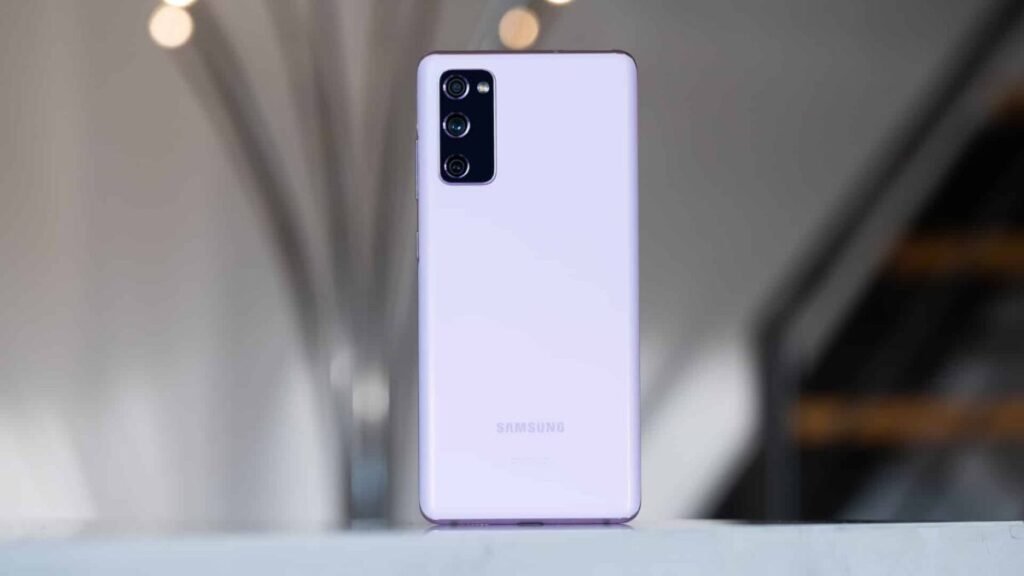
- Multiple Lenses: Most phones offer a main wide-angle, an ultrawide for expansive shots, and often a telephoto lens for optical zoom. Consider if you’ll actually use these.
- Computational Photography & AI: This is where modern cameras truly shine. AI helps with scene recognition, HDR processing, portrait mode effects, and even advanced video stabilization. Look for features like “Magic Eraser” or “ProRes Video” if those appeal to you.
- Video Capabilities: If video is important, check for 4K/60fps recording, stabilization features, and advanced modes.
Read reviews that include real-world photo and video samples, as software processing plays a huge role in the final image quality.
5. Display: Your Window to the Digital World
You’ll be staring at your screen for hours every day, so choose wisely:
- Panel Type: Most modern phones use OLED (or AMOLED) displays, offering vibrant colors, deep blacks, and excellent contrast. LCDs are still found in some budget phones but are less common.
- Resolution: Full HD+ (1080p) is perfectly sharp for most screen sizes. QHD+ (1440p) offers even more detail but can consume more battery.
- Refresh Rate: Higher refresh rates (90Hz, 120Hz, or even 144Hz) make scrolling and animations feel incredibly smooth. This is a noticeable upgrade from standard 60Hz. Many phones now offer adaptive refresh rates to save battery.
- Brightness: Crucial for outdoor visibility. Look for high peak brightness numbers, especially if you use your phone a lot in direct sunlight.
- Foldables: In 2025, foldable displays are more durable and refined. If you’re intrigued by a tablet-sized screen in your pocket or a compact flip phone, consider the trade-offs: higher cost, potentially less robust screens, and sometimes thicker profiles.
6. Battery Life & Charging
A phone is only as good as its battery. Look beyond just the mAh number, as software optimization and processor efficiency play a huge role. Consider:
- Real-World Endurance: Check reviews for actual screen-on-time and how long the phone lasts for typical usage.
- Fast Charging: Many phones now support incredibly fast wired charging (sometimes 60W, 100W, or even more), significantly reducing downtime.
- Wireless Charging: A convenient feature for many, though typically slower than wired charging.
- Reverse Wireless Charging: Some phones can wirelessly charge other devices, like earbuds.
- Battery Health: Be aware that all smartphone batteries degrade over time. After 2-3 years, you might notice a significant reduction in capacity. Consider if you’re comfortable with a potential battery replacement down the line.
7. Connectivity: Staying Connected in 2025
Modern connectivity is essential:
- 5G: Most new phones support 5G, offering faster speeds and lower latency where available. Ensure the phone supports the 5G bands used by your carrier.
- Wi-Fi 7 (802.11be): The latest Wi-Fi standard is becoming more common in flagship phones, offering even faster speeds and lower latency than Wi-Fi 6/6E, especially with compatible routers. While not a necessity for everyone, it’s a good future-proofing feature.
- Bluetooth: Look for Bluetooth 5.2 or newer for improved efficiency and stable connections with accessories like headphones and smartwatches.
- NFC: Essential for contactless payments and quick pairing.
8. Software Support & Updates
How long will your phone receive security patches and major OS updates? This impacts both the longevity and security of your device. Apple typically offers 5-7 years of iOS updates. Many Android manufacturers are now committing to 4-5 years of OS updates and even longer for security patches, especially for their flagship models. This is a crucial factor for long-term value and safety.
9. Durability, Design & Repairability
A phone is an investment, so its physical resilience matters:
- Build Materials: Glass backs are common, but look for stronger glass (like Gorilla Glass Victus or Ceramic Shield) and metal frames.
- Water and Dust Resistance: An IP67 or IP68 rating offers peace of mind against spills and splashes.
- Design: Do you prefer a sleek, minimalist look, or something more rugged? Consider ergonomics – how does it feel in your hand?
- Repairability: Some brands are making phones easier to repair, with readily available parts and repair guides. This can save you money down the line if you need a screen or battery replacement. Check independent repairability scores before buying if this is a priority.
10. Security & Privacy Features
With so much personal data on our phones, security is paramount:
- Biometrics: Reliable facial recognition or fingerprint scanners (in-display or side-mounted) are standard.
- Software Security: Regular security updates are critical. Both iOS and Android have robust built-in security features.
- Privacy Controls: Modern OS versions offer granular control over app permissions, location tracking, and data sharing. Understand what options are available to you.
Making Your Decision
Choosing a new smartphone in 2025 is about balancing your priorities. There’s no single “best” phone for everyone. List your top 3-5 non-negotiable features, set your budget, and then start exploring options that fit. Read reviews from reputable tech sites, watch video comparisons, and if possible, try out phones in person.
By considering these factors, you’ll be well-equipped to make an informed decision and find a smartphone that you’ll love using for years to come. Happy hunting!